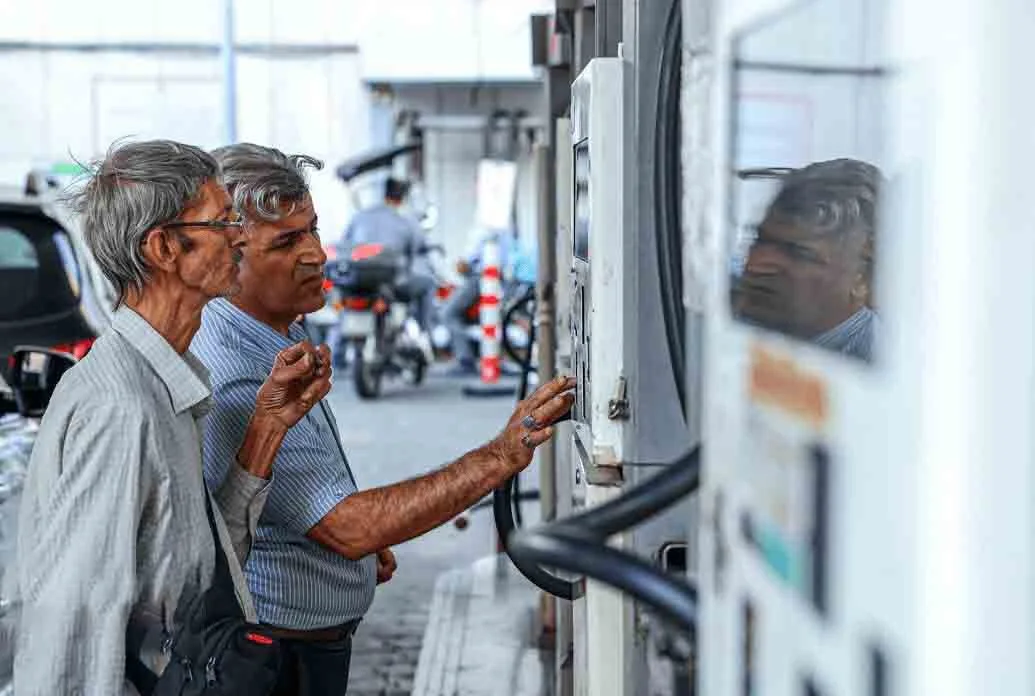
The new refueling regulations at gas stations will soon replace traditional methods. These changes will provide a new and different experience, especially for drivers who were accustomed to using emergency cards. With the implementation of the identification plan for emergency cards in the capital, each refueling will be conditional on identity verification and the payment of a 1000 Toman fee.
Fundamental Changes in the Refueling Process
These changes signify the end of refueling without identity and registration. In the past, drivers could fill their vehicles' tanks simply by entering four digits, but now they need to verify their identity based on their national ID and use valid bank cards. This measure has been taken especially due to the increase in fuel smuggling and the misuse of emergency cards.
Read more: Group 7 agreed to release 100 million barrels of diesel and crude oil
Statistics show that the use of emergency cards reached about 40 percent of total gasoline consumption in September. Meanwhile, the law emphasizes that at least 95 percent of consumption should be done through personal cards. This situation has made nameless cards one of the vulnerable points in the fuel distribution chain.
Economic and Social Consequences
In the meantime, domestic gasoline smuggling has become a serious challenge, estimated at 4 to 5 million liters daily. With this new method, the main goal is to reduce these leaks and accurately record fuel consumption based on national identity. With identity verification and data registration, it will even be possible to prevent refueling for individuals whose vehicles are not registered in the system.
The government hopes that these changes will lead to better management of fuel distribution and consumption. By centrally registering fuel consumption based on the national identity of households, greater transparency in consumption behavior will be created. This transparency could lead to a reduction in brokerage and illegal activities, providing a safer environment for fuel distribution.
Ultimately, we must wait and see how effective this action will be in changing the fuel consumption mix and whether it can help reduce consumption. Price and non-price measures that accompany the identification plan for fuel cards require careful and continuous evaluation.
Read more: Municipality's proposal for achieving zero inflation and reducing pressure on the people · Trump announced the end of the war with Iran