Optimal management of corpses in crisis situations is one of the significant challenges faced by Behesht Zahra. Mohammad Sarlak, the secretary of the specialized working group on martyrs and deceased individuals at Behesht Zahra, elaborated on the six golden steps of this working group. He emphasized that the main goal of this working group is to facilitate the identification and transfer of corpses in crisis conditions.
Mission of the Specialized Working Group on Deceased and Martyrs
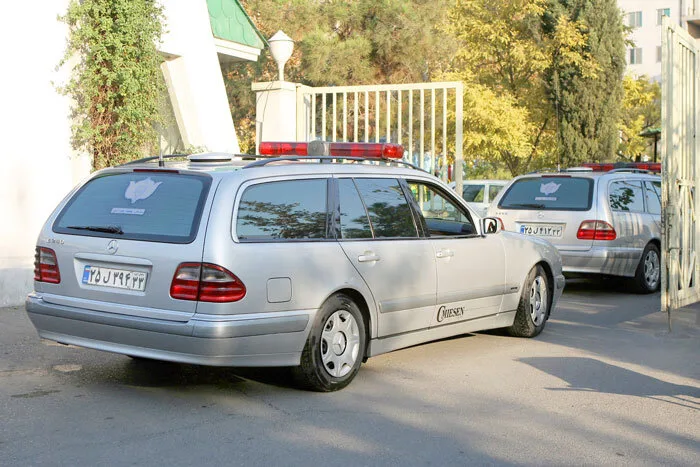
Sarlak stated: "In the specialized working group on deceased individuals and martyrs, we have several specific missions. The first mission is the dispatch after the search and investigation in the field, which is the responsibility of this working group. The transfer of corpses and the burial of the pure bodies of martyrs are also among our other missions."
Read more: Seyed Mohammad Aghamiri announced the special line plan for motorcyclists in Tehran
He pointed out the inter-organizational collaborations in this area, adding: "During the Ramadan War, various agencies, including forensic medicine, identification, civil registration, and the Martyrs Foundation, worked together to facilitate the work for the people. These collaborations help us provide better services to families in crisis situations."
Six Golden Steps for Managing Corpses
Sarlak outlined the six golden steps for managing corpses, stating: "In the first phase, we consider securing the scene. During crises, we ask people to preserve the scenes and reduce crowding so that rescue teams can easily access the field. Every second is crucial in these situations, as in floods, corpses undergo serious changes that affect their identification process."
He continued: "The second step is to register the cardex and accurate information of the scene. In this phase, the characteristics of the corpses and their accompanying items are recorded to assist in identification. The third step is to preserve human dignity and document the process, which must be done accurately."
Sarlak also highlighted the importance of communication in this process, stating: "After securing the scene and the arrival of rescue teams at the corpses, communication with the EOC center must be made to dispatch the necessary equipment and facilities to the field."
The Role of Volunteer Forces in Crises
Sarlak discussed the role of volunteer forces in crisis management, saying: "Volunteer forces are one of the potential and actual resources in crisis fields. We have a structure and network of trained volunteers at Behesht Zahra who join us in operations."
He emphasized that cooperation between volunteer forces and rescue agencies like the Red Crescent and emergency services is very effective, and if needed, individuals can call 1530 to benefit from the services of this working group.
Read more: Rainfall on the roads of Ardabil, Gilan, Mazandaran, Golestan, and Semnan · 8% reduction in fires in Tehran with a new urban management approach