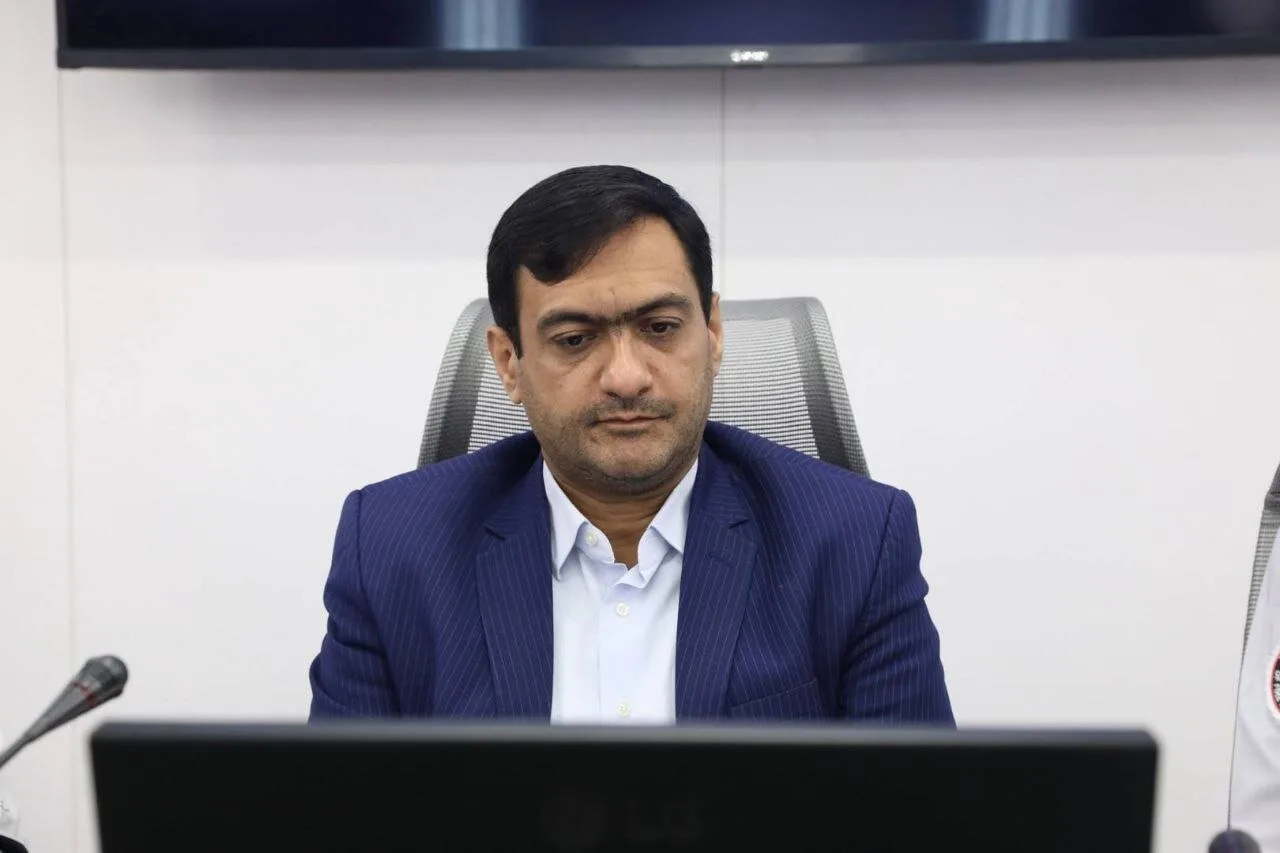
Mahdi Babaei, head of the Safety and Crisis Committee of the Islamic Council of the City of Tehran, announced an 8% decrease in fires in the first half of 1405 during a public council meeting. He pointed out the increasing trend of fire incidents in Tehran over the past three decades, explaining that in the past two decades, fires have increased by an average of 1% annually. This alarming statistic clearly highlights the necessity for a change in urban management approach.
Criticism of Previous Policies
Babaei referred to the performance of previous terms and stated: "Previous policies were more focused on the development of equipment and increasing fire station numbers." He added that although the response time to incidents has decreased from 6-7 minutes to 4 minutes, merely having sufficient equipment has not been enough, and this model of policymaking has failed to prevent the occurrence of fires. Therefore, a change in crisis management approach seemed necessary.
Read more: Iraqi announced Iran's conditions for reopening the Strait of Hormuz
New Urban Management Strategies
Babaei referred to the new urban management strategy in the sixth term, stating: "In the fourth four-year program, for the first time, 21% of the program indicators, meaning 94 indicators out of 445, were dedicated to safety and crisis management." This change reflects special attention to the safety and protection of citizens.
The head of the Safety Committee of the Tehran City Council also announced a significant leap in the budget for this area, adding: "The safety budget has increased from about 400 billion tomans in 1401 to about 15 trillion tomans (15 hemt) this year, which represents a 25-fold growth, indicating prioritization of citizen safety in this period." This budget increase has provided an opportunity to improve safety infrastructure and prevent incidents.
Babaei also mentioned the reduction in the number of critical buildings in the capital, stating: "The number of these buildings has decreased from 129 to 48, and 600 buildings classified as 'high-risk' have been secured through preventive measures." This statistic demonstrates the positive impact of the change in approach and the increase in budget in the safety sector.
In conclusion, he emphasized that special attention to the safety of hospitals and other structures heralds a safer and more prepared city against crises. We hope that this trend continues with greater speed, allowing the citizens of Tehran to enjoy increased security against potential dangers.
Read more: Iranian official: Iran is steadfast against nuclear threats · Emergency landing of Lufthansa flight in Lyon due to power bank catching fire