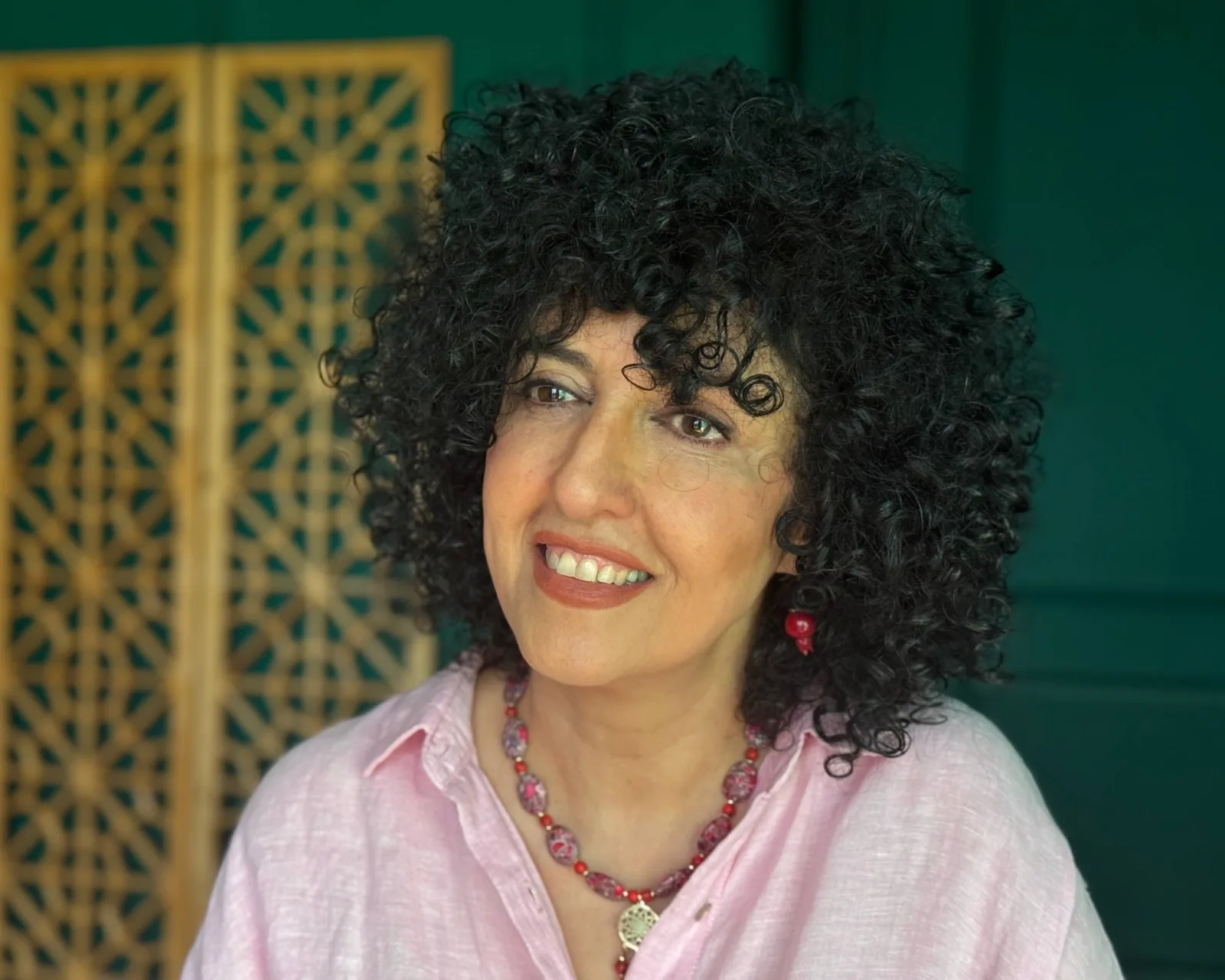
Narges Mohammadi, a human rights activist and Nobel Peace Prize laureate, has spoken about the physical and psychological torture she has endured in prison and expressed her concerns about returning to prison and its impact on her children. In an interview, she stated that during her detention by security forces, she was severely beaten and did not receive medical care.
Torture and Isolation
Mohammadi, who was arrested in December 2022, spoke about severe blows to her head and body, saying: "Security officials beat me severely and kept me in isolation for two months, while serious injuries were inflicted on my body." She also talked about the torturous conditions in solitary confinement and the lack of access to medical treatment. According to her, after her arrest, she suffered from dizziness and nausea, and officials refused to conduct medical examinations.
Read more: Extension of the exemption period for students until the end of November
Concerns About the Future and Impact on Children
Mohammadi was temporarily released from prison in May due to medical issues, but she expressed concern about the risk of returning to prison, stating: "Returning to prison is always a major threat. Prison has caused serious damage to my heart and nervous system, and under these conditions, returning to prison puts my life at risk."
As a mother, Mohammadi also pointed to the negative effects of prison on her children, Ali and Kiana. She reflects on whether her duty as a mother should take precedence over her human rights activities. She says: "Was it my duty to take care of Ali and Kiana or should I continue fighting for human rights?" These questions deeply trouble her and have affected her feelings of guilt towards her children.
Mohammadi also referred to the social and economic repercussions of recent crackdowns in Iran and is concerned about people's livelihoods. She has expressed strong concern about the speed and severity of executions and the lack of legal rights in trials, stating: "This situation has severely negatively impacted our society. People are under pressure from internal struggles, external conflicts, and harsh living conditions."
Her experiences in prison and her resistance against oppression form the basis of her recent book titled "Women Never Stand Still," which was published last month. This book, written secretly while in prison, narrates her struggle for human rights and the sacrifices she has made along the way.
Read more: The "Motherly" plan of Tehran Municipality, financial support of 4 million tomans for mothers · Iran ready to help reduce tensions between Afghanistan and Pakistan