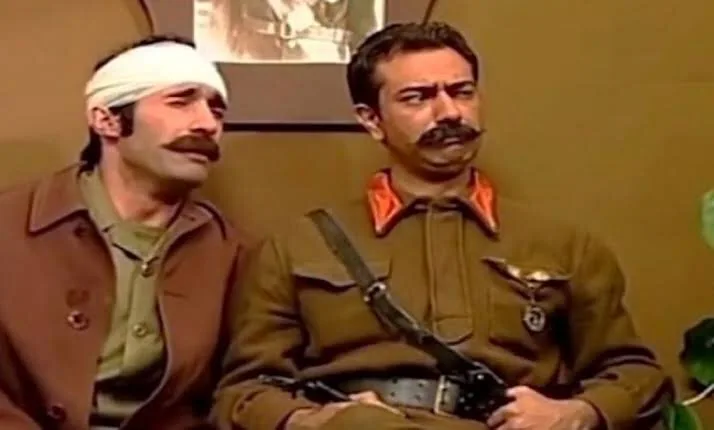
Mohammad Reza Hedayati, the famous Iranian actor, at the National Cinema Day commemoration, used the Zabili dialect to express his feelings and deep connection with his birthplace, Sistan and Baluchestan. In this ceremony, he emphasized the importance of this ancient dialect in preserving the culture and identity of the people of this land.
Zabili Dialect: A Sign of Cultural Identity
The Zabili or Sistani dialect is one of the ancient Iranian dialects prevalent in the Sistan region. With a rich and deep background, this dialect represents the continuity of linguistic and cultural traditions in this area. By speaking this dialect, Mohammad Reza Hedayati reminded the audience that this language is not only a means of communication but also a part of the cultural and identity heritage of the people of Sistan and Baluchestan.
In his speech, Hedayati described the background of this dialect in connection with the historical tradition of Iranian and Dari languages. He pointed out that Dari, which has spread in the eastern regions of Iran, has undergone many changes over time. The Zabili dialect, as part of the linguistic heritage of Sistan, is still alive in the speech of the people of this region and reflects their cultural identity.
Hedayati's Message: Bright Days Will Come
Hedayati continued by expressing hope for the future, urging the people to continue preserving and promoting this dialect and their rich culture. He emphasized that the Zabili dialect is part of the cultural identity of the people of Sistan and Baluchestan, expressing hope that bright days for this region and its culture will soon arrive.
It was clearly evident from Hedayati's perspective that the Zabili dialect, as a cultural heritage, must be preserved and promoted. By using this dialect at the ceremony, he not only reminded his audience of the significance of language and culture in human life but also demonstrated how art can be used to revive local cultures and languages.
Ultimately, Mohammad Reza Hedayati, by stating that "bright days will come," inspired and motivated the audience, showing that art and language can serve as tools for cultural unity and solidarity.
Read more: Date and Palm Festival in Karun begins with one million palms · The popularity of the dagger among the Luti and Dashi