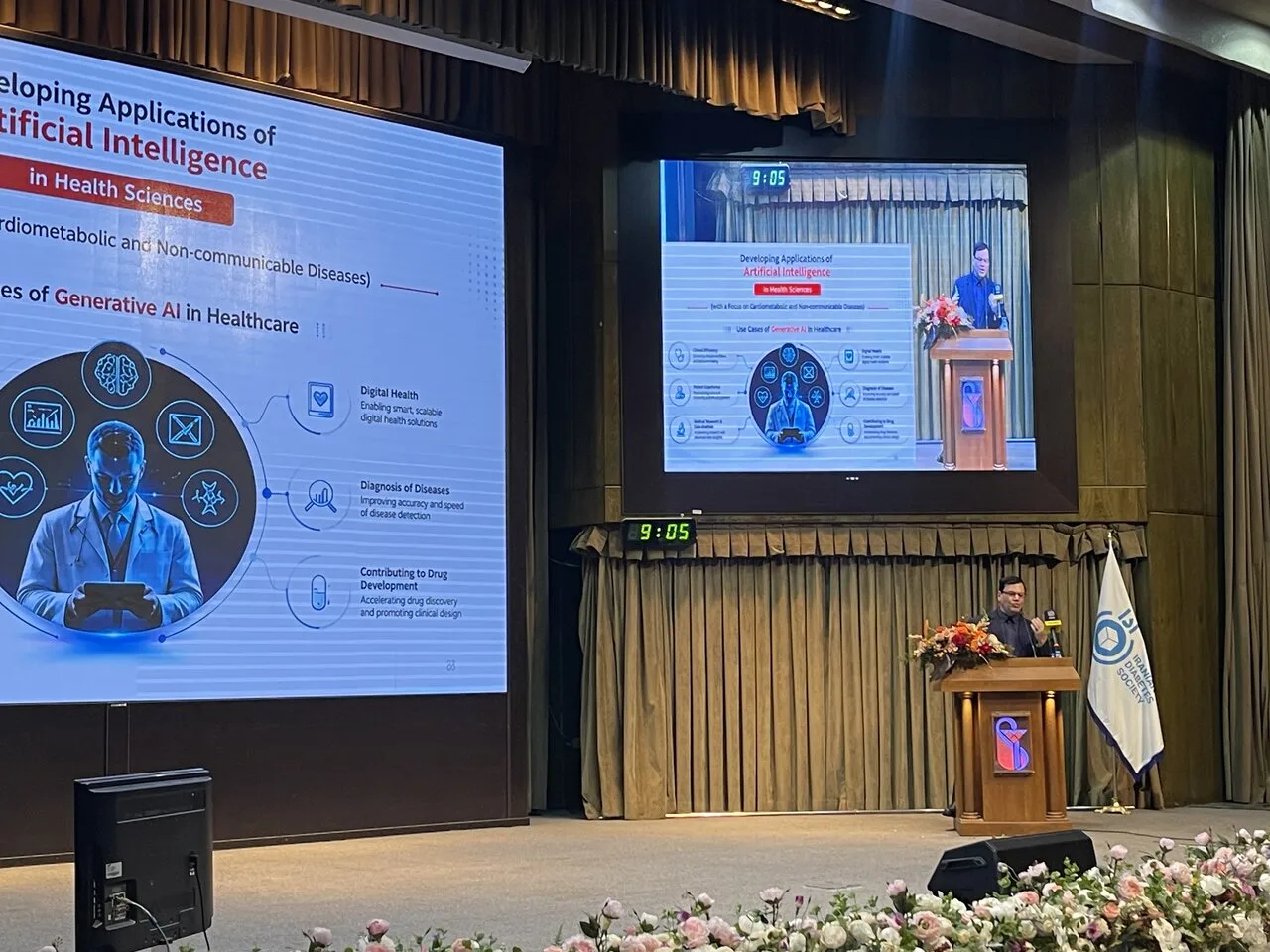
Mehdi Parian, Deputy for Production and Head of the Research Production Complex of the Pasteur Institute of Iran, examined the challenges of the vaccine production industry in the country and emphasized that this industry is not solely dependent on technical knowledge.
Need for Investment and Infrastructure
Parian clarified that for the continuity and development of vaccine industry activities, continuous investment, specialized human resources, and up-to-date infrastructure are necessary. Despite the scientific and experiential capacities at the Razi Vaccine and Serum Research Institute and the Pasteur Institute of Iran, economic and structural challenges have made the path to developing this industry difficult.
Read more: Greg Stanton: The Impact of Parents on the Eye Color of Newborns is the Result of Gene Interaction
Pricing and Market Issues
He identified one of the most important issues as the gap between the purchase price of domestically produced vaccines and the actual production costs. When the pricing of products does not align with the costs of raw materials, production, and quality control, producers will not have sufficient resources to develop their activities. This issue can even limit established producers in securing the necessary resources for upgrading production lines.
Parian added that establishing and developing vaccine production infrastructure requires heavy investment, and achieving economical and competitive production depends on appropriate volumes. Successful countries like India demonstrate that mass production and leveraging economies of scale play a significant role in reducing costs and increasing competitiveness in the global market.
Regulatory Challenges and Infrastructure Degradation
Parian also pointed to the lack of long-term and guaranteed purchase contracts, stating that this situation creates uncertainty for investment in this area. A producer who is unsure about the future market of their product cannot confidently plan for the development of production lines, technology transfer, and research and development.
He added that the multiplicity of decision-making bodies and the lengthy regulatory processes are other obstacles to the development of the vaccine ecosystem. The experience during the COVID-19 pandemic showed that designing mechanisms suitable for emergency conditions can expedite the review and licensing processes.
Need to Retain Specialized Human Resources
Parian stated that the degradation of infrastructure and the difficulty in accessing advanced equipment and technologies heighten the necessity for targeted investment in new vaccine production platforms. The migration of specialized human resources is also a serious threat to the future of the vaccine industry.
He referred to the experiences of other countries, saying that there is no single path for the development of the vaccine industry. Countries like India, Cuba, and Brazil have followed different models, but the commonality among these experiences is the attention to the connection between policymaking, investment, technology, and the market.
Parian concluded by emphasizing that the vaccine industry is part of the strategic health infrastructure of the country, and its sustainability requires economic and supportive policies that align with the realities of this industry. Reforming the pricing system could be an important starting point for rebuilding production capacity and ensuring the future of the country's vaccine industry.
Read more: What Foods Should Not Be Eaten with Melon and Cantaloupe · Mehdi Pir-Salehi: Two-Thirds of Halal Products are Produced in Non-Muslim Countries