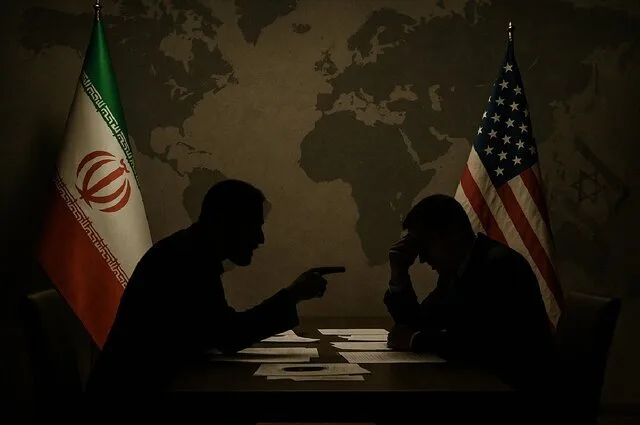
Mawlawi Abdolhamid, the Sunni Friday prayer leader of Zahedan, criticized the country's economic situation and the pressures on people's livelihoods, urging Iran and the US to show flexibility in negotiations and to compromise on their positions to reach an agreement.
The Difficult Economic Situation of the People
Abdolhamid said on Friday, November 1 (October 23): "The people of Iran are experiencing the highest inflation, and many citizens are struggling to meet their basic needs." This prominent Sunni cleric deemed controlling inflation and maintaining the value of the national currency as the government's and the ruling authority's duty, warning that external pressures and trade restrictions have made the economic and living conditions of the people more difficult.
Read more: Patrolling of F-14 and F-5 fighter jets of the Iranian Air Force at the border
The Necessity of Dialogue and Flexibility
Abdolhamid continued his remarks by addressing the escalating tensions between the US and Iran, emphasizing that the refusal of either Iranian or American parties to engage in dialogue is a major mistake. He called for both sides to show flexibility to reach an agreement and to be ready to give and take concessions. He also urged the government, parliament, and military commanders to prioritize national interests and the living conditions of the people in their decision-making.
In this context, the US government has warned about the increasing efforts attributed to the Islamic Republic to assassinate diplomats and American officials abroad. According to an intelligence memo, some of these plots have reached advanced stages. Axios reported on Saturday, November 2 (October 24) that it had obtained a one-page memo addressed to Marco Rubio, the US Secretary of State, warning about the increasing threats against American officials and staff in the Middle East and other parts of the world.
Gina Haspel, the US Director of National Intelligence, in this memo called for broader communication to State Department employees and suggested that some sensitive information be declassified so that individuals at risk can be aware of potential threats. This warning comes at a time when the US diplomatic presence in several Middle Eastern countries is decreasing.
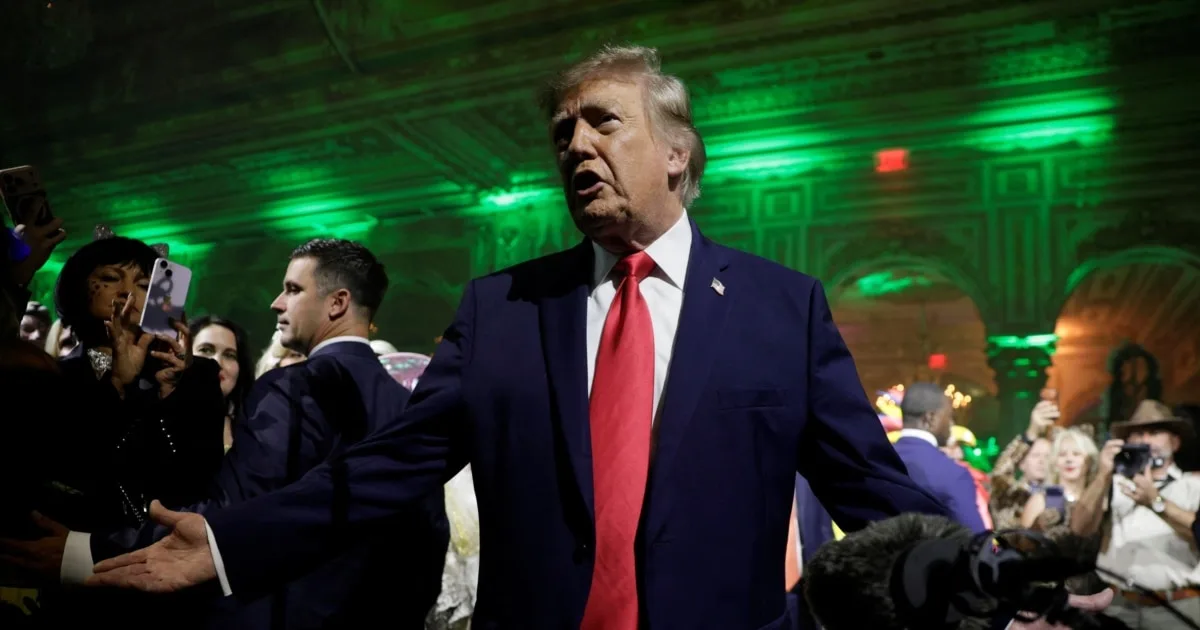
These developments occur as Donald Trump, the President of the United States, has once again raised the possibility of military action against Iran, although he has also spoken about the potential for reaching an agreement with Tehran.
Read more: Reza Shahidian: Hormozgan Province is on full alert to confront El Niño · Mevlüt Çavuşoğlu: Military intervention against Iran is not a solution