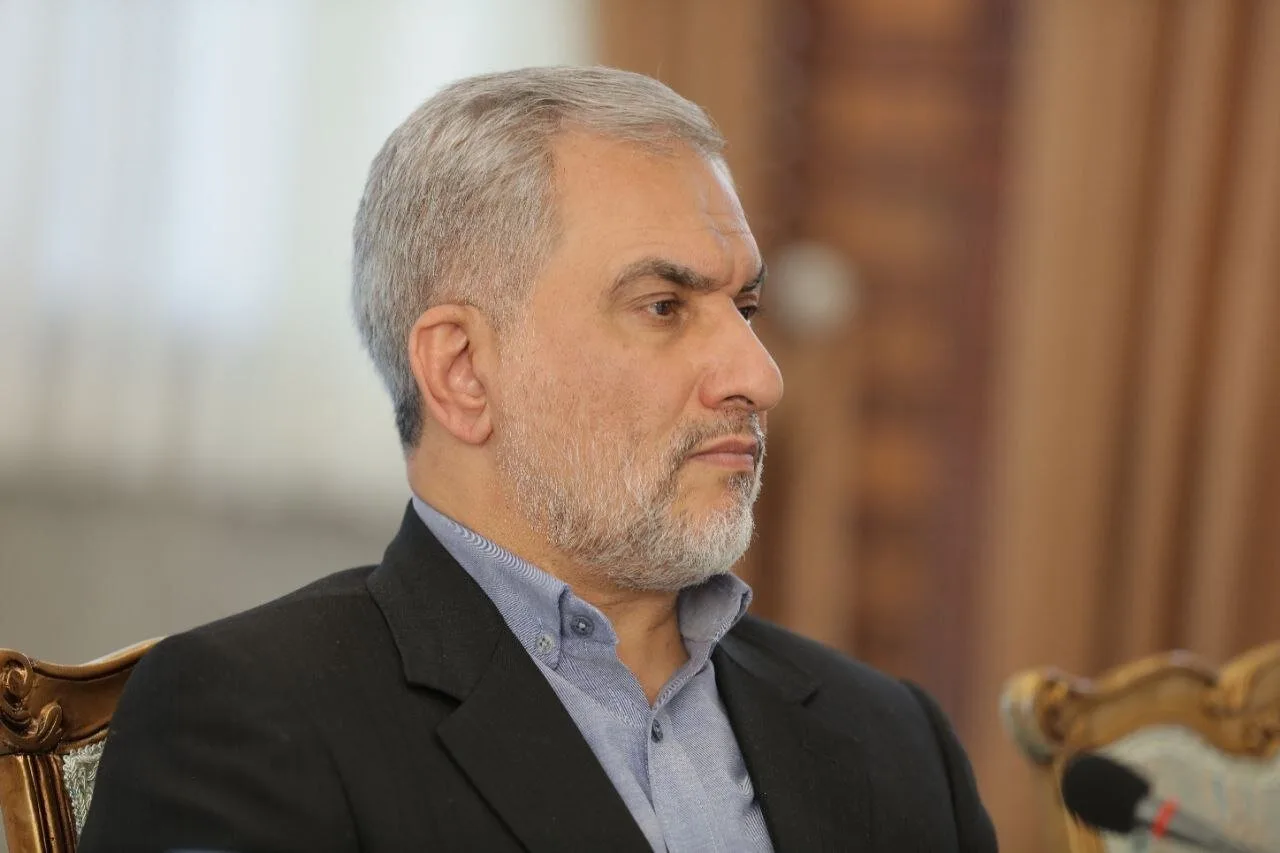
Maqsood Farastekhah addressed the challenges and opportunities facing the country's universities at the first meeting of a series of specialized sessions on the internationalization of higher education in Iran. This meeting, attended by Ehsan Ghabool, Ali Khorsandi, and Ahmadreza Roshan, was held at the Institute for Research and Planning in Higher Education and focused on the status of the Iranian university's relationship with the global scientific community.
Challenges of Internationalizing Higher Education
Internationalizing higher education is considered one of the key issues in university policymaking. This topic goes beyond attracting foreign students and increasing the number of joint publications; it also relates to research funding, access to scientific infrastructure, and interaction among researchers. In his speech, Maqsood Farastekhah pointed out the structural and communicational barriers facing Iranian universities and emphasized the importance of maintaining and expanding scientific communications.
Read more: Heavy rains and temperature drop in Iran until the end of Sunday
The Impact of Tensions in Iran's Relations with the World
Farastekhah began his discussion by referencing the impact of tensions in Iran's relations with the world over the past three decades on the academic ecosystem. He emphasized that universities are currently facing many difficulties in education, research, and training specialized personnel, and the costs of diplomatic problems should not be imposed on them. This perspective links the issue of internationalizing higher education to the general conditions of scientific activity in the country.
Farastekhah also pointed out the need for universities to have financial resources and communication infrastructure, stating: "Universities need financial resources and communication infrastructure to produce knowledge; needs that may be more difficult to meet under international restrictions." These barriers become particularly evident during sanctions and lead to limitations in supporting science and research.
He further stated that research is an infrastructural and long-term activity, and its results are usually not obtained in the short term. Therefore, funding for science cannot be solely entrusted to economic enterprises, as many fundamental research projects and scientific activities cannot continue without sustainable public support.
On the other hand, international restrictions resulting from sanctions affect the capacity to support science and research, and this issue could impact the scientific future of Iranian universities. Farastekhah stressed that universities must continue to maintain their scientific communications in these conditions and leverage existing capacities.