Laleh Marzban, an Iranian actress, gained attention at the Venice Film Festival with the film 'Caretaker' and received the Best Actress award in the 'Horizons' section. While this event appears to be a cinematic news story, it reflects a deeper cultural and media issue: How is Iran being portrayed to the world?
Challenges of Iranian Narratives
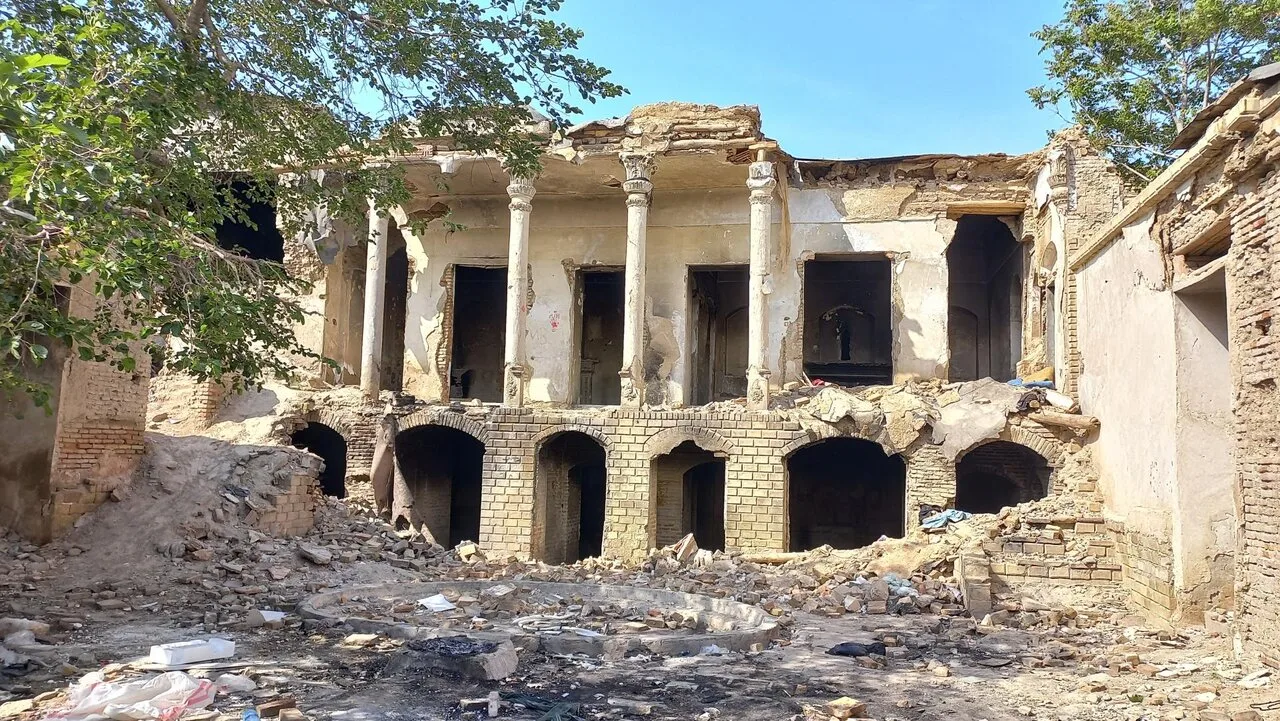
The issue is not limited to Laleh Marzban alone. 'Caretaker' tells the story of an Iranian family facing social, economic, and familial challenges; a house on the verge of demolition, a father accused of corruption, and a daughter dreaming of leaving the country. This image represents part of the reality of Iranian society, but does it capture all its dimensions?
Read more: Inauguration of the First Islamic Theology Faculty in Germany
Like any other society, Iran faces problems and issues, and cinema has the right to address these realities. However, when these realities are presented in a one-sided and repetitive manner, the danger of a one-dimensional image of Iran arises. This image often focuses on crisis, despair, and collapse, portraying the real Iran within a limited framework.
The Necessity of Diversity in Cinematic Narratives
An important point here is the lack of representation of the diversity of realities in Iran at international festivals. Why does cinema that speaks of Iranian youth say less about those young people who remain in these difficult conditions and strive? Why is the image of Iranian women standing against limitations and playing a role in social changes less visible?
Major global festivals are not just venues for showcasing films; they are, in fact, arenas for producing meaning and imagery about nations and societies. In this arena, we must answer the question of which type of narrative about Iran has a greater chance of entering this showcase. Can only stories related to corruption and poverty attract attention?
If the image conveyed to foreign audiences presents Iran as a society trapped in a dead end and hopelessness, then media and cultural institutions must engage in dialogue about this image. In fact, this is where the concept of the war of narratives becomes significant.
Today, a significant part of the confrontation with the Islamic Republic of Iran occurs not in the military field, but in the realm of image and narrative. If we do not narrate, others will narrate, and in the absence of our narrative, the image constructed from the outside will fill that void. Cinema, as one of the most important tools of cultural narration, must address the diversity and depth of Iranian narratives and emphasize not only problems but also hope and resilience.
Ultimately, defending the Iranian narrative does not mean commissioning propagandistic films. National cinema should be able to portray people in their entirety, addressing not only problems but also the capacities of society to overcome crises. Iran should be neither a problem-free paradise nor a land of darkness, but rather showcase a collection of contradictions, capacities, and challenges.
In the shadow of this dialogue among narratives, the Venice award can be the beginning of a serious question: Why does an image of Iran that is more appealing to foreign audiences often emphasize crises more? Answering this question requires a rethinking of the country's cultural and cinematic policy.
Read more: Ali Ojji and Narges Mohammadi, Winners of the Sulaymaniyah Festival Awards · Navid Mohammadi and Reza Attaran on the Way to the Oscars