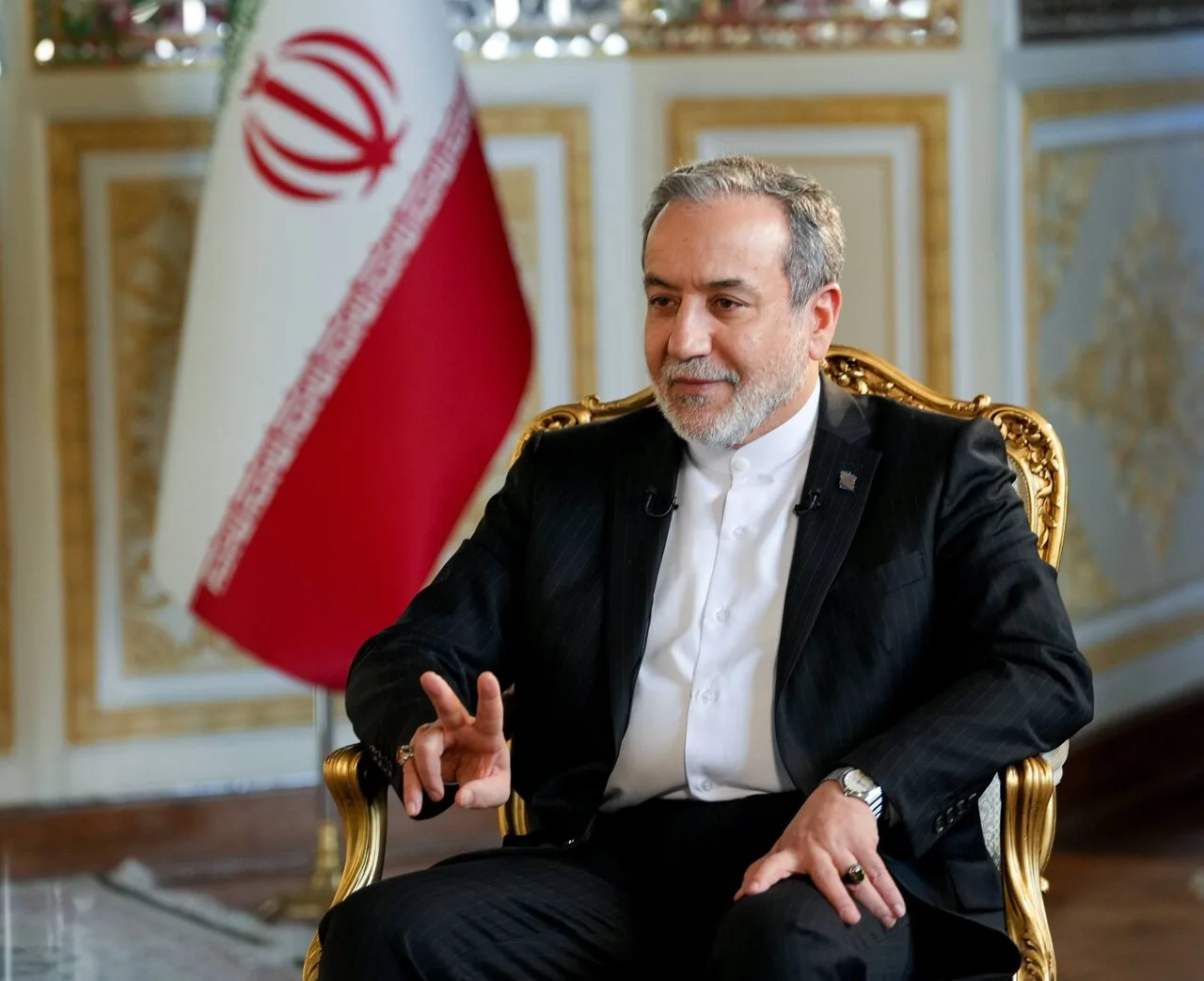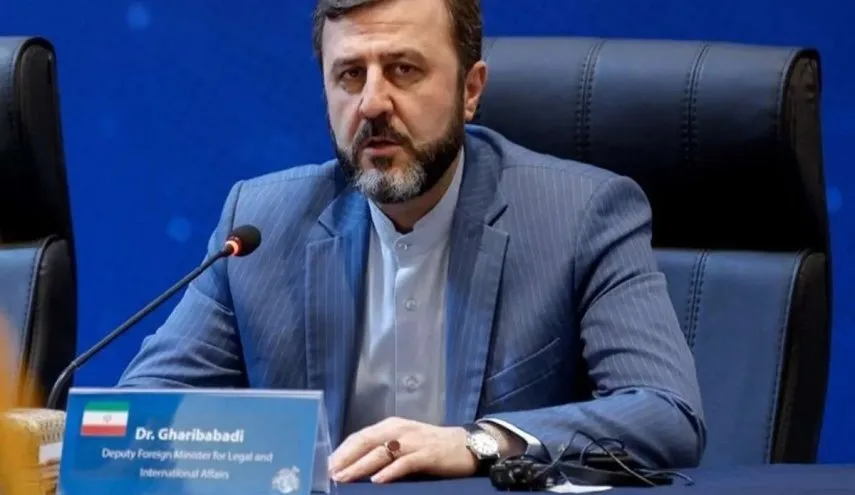
Kazem Gharibabadi, the Deputy for Legal and International Affairs at the Iranian Ministry of Foreign Affairs, stated that the U.S. should be accountable for the consequences of its nuclear tests in the Marshall Islands instead of preaching to other countries. Gharibabadi highlighted the human and environmental impacts of these tests and stressed the necessity for nuclear powers to take responsibility and pay serious attention to this issue.
Nuclear Tests and Their Consequences
The U.S. nuclear tests conducted in the Marshall Islands from 1946 to 1958 not only affected the environment of these islands but also severely impacted the lives of the indigenous people. These tests resulted in soil and groundwater contamination and caused various diseases among the island's inhabitants. Gharibabadi pointed out that these tests have had devastating effects on the health and lives of the people, calling for global attention to this matter.
Read more: Abbas Gholroo: Semnan Should Be More Prepared to Host International Students
Accountability of Nuclear Powers
Gharibabadi specifically mentioned that countries with nuclear weapons must take greater responsibility for the effects and consequences of their tests. He emphasized that these countries should focus on the crises they have created instead of worrying others about their nuclear programs. These remarks come as the international community consistently expects accountability from the U.S. as one of the largest nuclear powers.
The Deputy for Legal and International Affairs at the Iranian Ministry of Foreign Affairs also stressed that nuclear powers must adhere to their international commitments and work to prevent the recurrence of such disasters. He noted that ignoring the effects of these tests cannot contribute to improving human and environmental conditions and should be treated as a global priority.
In conclusion, Gharibabadi emphasized that Iran, as a non-nuclear country, has always sought a world free of nuclear weapons and reaffirmed its commitment to international treaties in this regard. He called for international cooperation to reduce the risks posed by nuclear weapons and to protect the environment.
Read more: Iraqi Foreign Minister Announced Review of Iran's Flight Ban with U.S. Officials · Mohammad Baqer Qalibaf: The Iranian Nation Does Not Fear Threats