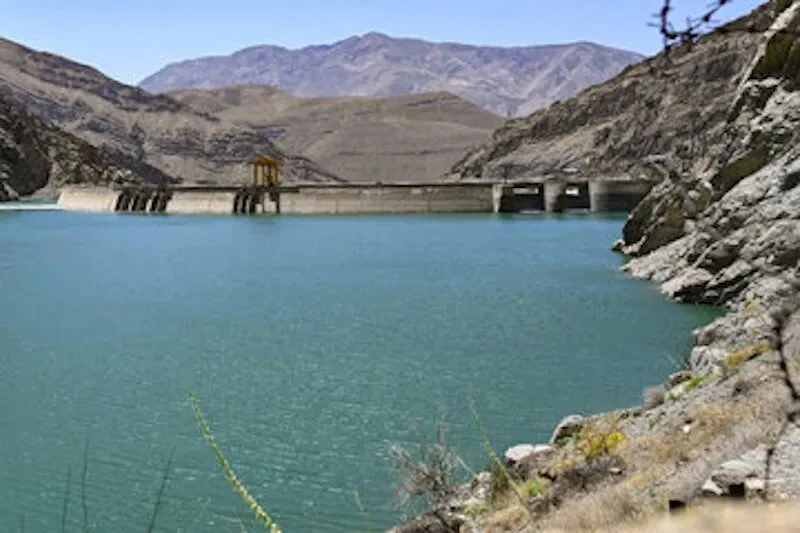
Amirkabir Dam (Karaj Dam) has recently faced a significant increase in water storage. This dam, which is one of the main sources of water supply for Iran's capital, is seen as a new hope for improving Tehran's water situation. However, the reality is that other dams around Tehran still face instability, and concerns about the supply of drinking water for the capital remain strong.
Critical Status of Other Dams
The dams of Mamlou, Latiyan, and Lar, as other sources of water supply for Tehran, are still facing serious problems. These dams have not been able to achieve stable and desirable storage due to a lack of rainfall and poor management in recent years. Therefore, the increase in water storage at Karaj Dam cannot alone resolve Tehran's water concerns.
Read more: The onset of autumn rains in Iran depends on weather conditions
Consequences of Increased Storage at Karaj Dam
Although the increase in water storage at Karaj Dam is promising, it should be noted that this increase does not guarantee the city's water supply. Experts say that the capital still needs serious management of water resources and actions to preserve and improve its water situation. Neglecting other dams and groundwater resources could create more serious problems for Tehran in the future.
Given the trends of climate change and decreasing rainfall, there is a need for a comprehensive and sustainable plan for managing water resources in Tehran. This plan should include improving the conditions of unstable dams as well as optimizing the use of groundwater resources. Otherwise, we should still expect difficult days ahead in securing drinking water for the capital.
Read more: Ahmad Reza Lahijanizadeh: The annual decrease in the Caspian Sea level has reached 23 centimeters · The water storage of the country's dams has reached 24 billion cubic meters