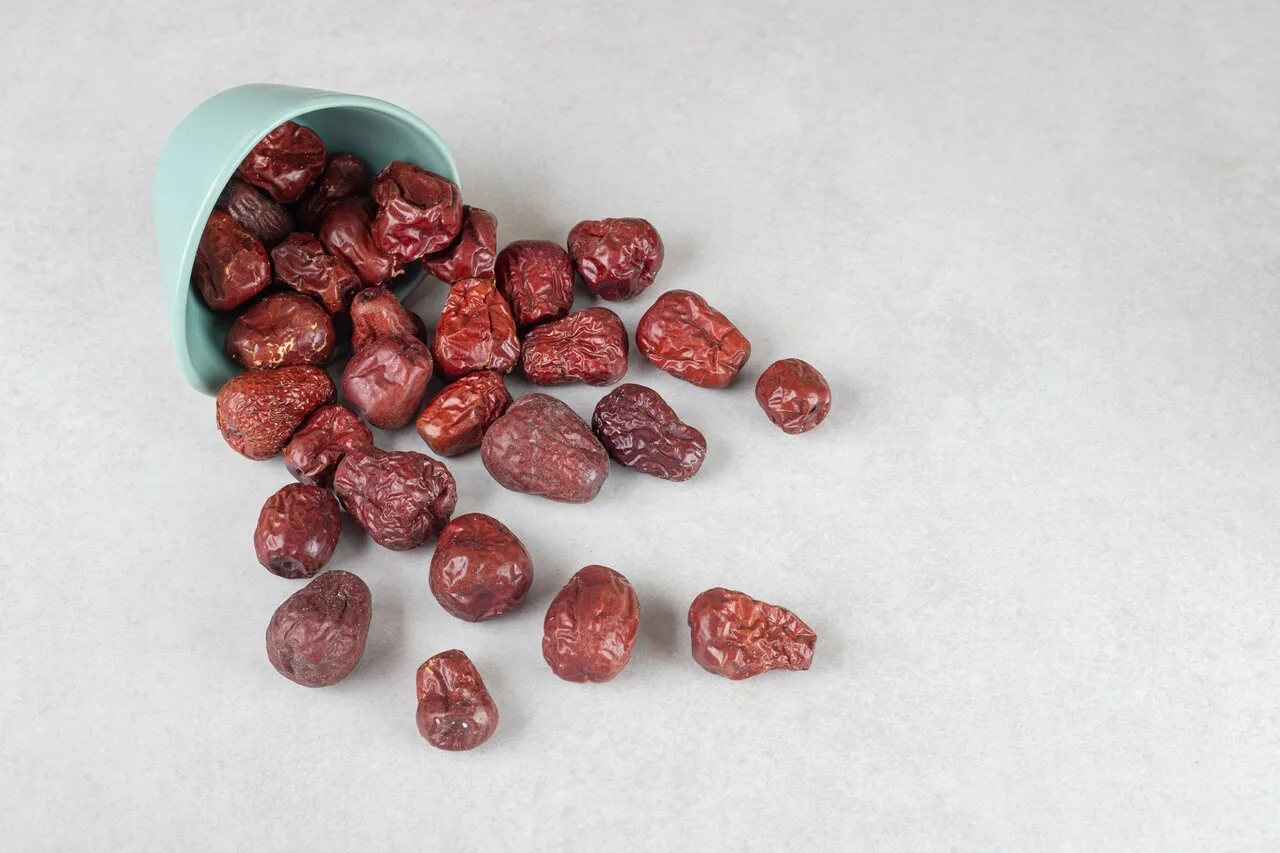
Jujube (Ziziphus jujuba) is a small and sweet fruit that is cultivated in many regions of Iran, especially South Khorasan. This fruit holds a special place in traditional medicine in Iran and China and is recognized as a medicinal food. But does jujube really have an effect on blood pressure?
Properties of Jujube and Its Effect on Blood Pressure
High blood pressure is one of the most common chronic diseases worldwide, known as the "silent killer." Many individuals seek natural methods and herbal supplements to control their blood pressure. Jujube, as a nutritious and beneficial fruit, is always in focus.
Read more: Daily nut consumption can lower blood pressure
Jujube is rich in nutrients and bioactive compounds that can affect blood pressure. This fruit is a good source of potassium, which helps reduce blood pressure by excreting excess sodium from the body. Additionally, magnesium, flavonoids, saponins, and polysaccharides are present in jujube, each of which affects blood pressure in some way.
Mechanisms of Jujube's Effect on Blood Pressure
Scientific evidence shows that jujube can affect blood pressure in several ways. The flavonoids in jujube increase the production of nitric oxide in the blood vessel walls. Nitric oxide is a substance that relaxes blood vessels and improves blood flow; this process ultimately helps reduce blood pressure.
Some laboratory studies have shown that jujube extract can inhibit the activity of the angiotensin-converting enzyme. This enzyme is responsible for narrowing blood vessels and increasing blood pressure. Therefore, jujube can have a similar but much milder effect. Additionally, the antioxidants in jujube help improve endothelial function (the inner layer of blood vessels) by reducing free radicals and inhibiting inflammation.
Despite strong evidence supporting blood pressure reduction, some people believe that jujube may raise blood pressure. This belief usually stems from excessive consumption of dried jujube, which is high in natural sugars, or from combining it with stimulating substances like coffee, strong tea, or excessive sugar. These factors can neutralize the blood pressure-lowering effect of jujube and even raise blood pressure.
Ways to Consume Jujube for Blood Pressure Control
To benefit from the properties of jujube without side effects, the following tips are recommended:
- Jujube tea: Drinking one to two cups of jujube tea (with 5 to 7 dried jujubes) daily can be beneficial.
- Fresh jujube: Consuming a few fresh jujubes daily as a healthy snack is a good option.
- Jujube powder: One teaspoon of jujube powder in water or yogurt is an easy way to consume it.
- Avoiding sugar: To benefit from jujube's properties, avoid adding sugar or excessive sweeteners.
- Consulting a doctor: If you are taking blood pressure medications, be sure to consult your doctor.
The important conclusion is that jujube does not raise blood pressure by itself and when consumed reasonably, it tends to lower it. Ultimately, for controlling blood pressure and benefiting from the therapeutic properties of jujube, maintaining moderation and proper consumption is very important.
Read more: The effect of environmental temperature on intraocular pressure in patients with primary open-angle glaucoma · Abbasali Matlabi announced the start of issuing identification cards and passports for pet dogs