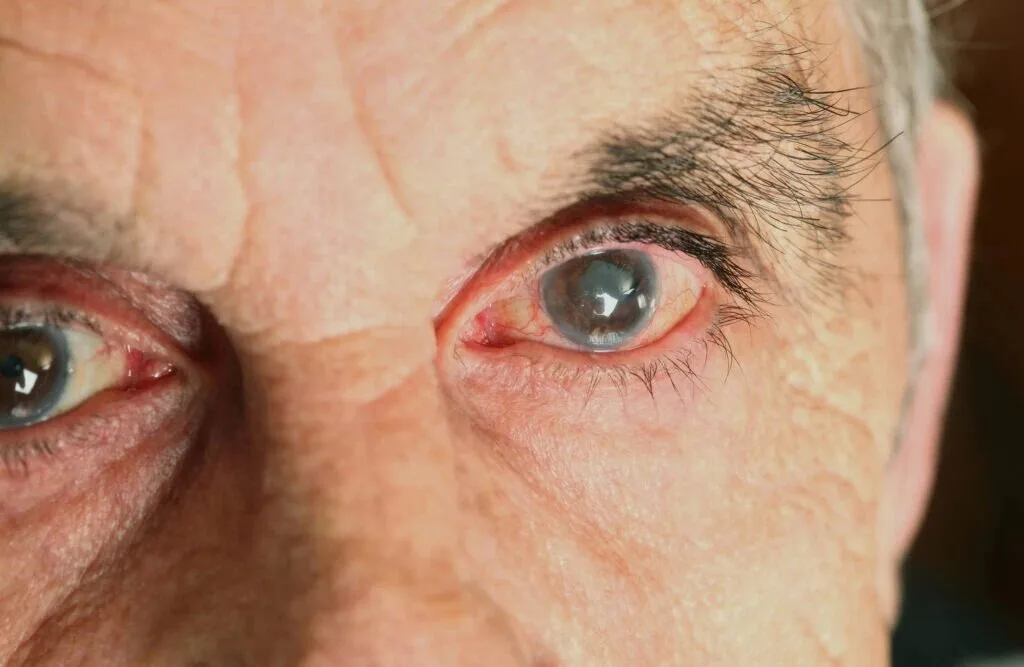
Toru Ikeshima from Kyoto Medical University in Japan and his colleagues conducted a retrospective study to examine the effect of ambient temperature on intraocular pressure (IOP) in patients with primary open-angle glaucoma (POAG). These patients were under medical treatment and their disease status was controlled and stable.
Study Details
In this study, 2,655 intraocular pressure measurements from 154 eyes of 77 patients were analyzed. The researchers carefully examined the relationship between intraocular pressure and ambient temperature and found that intraocular pressure has a negative correlation with ambient temperature. This means that as temperature increases, intraocular pressure tends to decrease.
Read more: Improving Gut Health with 3 Autumn Fruits: Apple, Pear, and Various Berries
Factors Affecting Intraocular Pressure
According to this research, a positive correlation was observed between intraocular pressure and mean blood pressure. Additionally, central corneal thickness and intraocular pressure also had a significant relationship. The number of eye drops used, the type of glaucoma, and the time of day significantly affected fluctuations in intraocular pressure. Furthermore, the season was somewhat related to fluctuations in intraocular pressure.
These important results indicate that ambient temperature is one of the independent factors with a significant negative correlation with intraocular pressure in patients with primary open-angle glaucoma under medical treatment. Moreover, the response of intraocular pressure to ambient temperature is greater in patients with more severe glaucoma, which should be considered in the comprehensive treatment strategy for primary open-angle glaucoma.
Implications of the Findings
The findings of this research can help better understand the impact of seasonal changes and environmental conditions on the status of patients with glaucoma. This information could guide physicians and specialists in providing better advice to patients regarding the management of eye diseases.
The results of this research have been published in the British Journal of Ophthalmology and can serve as a reliable source for future studies.
Read more: New Research by Professor Dominic Arman on Blood Sugar Fluctuations and Quality of Life in Diabetic Patients · Pig Kidney Transplant to Human: A Record 9 Months of Life with a Non-Human Kidney