Salih Al-Zuhairi, a member of the Iraqi parliament, strongly criticized the restrictions imposed on Iranian flights, stating: "While people talk about the solidarity of Iraq and Iraqis, the Iraqi government follows the infamous decision of the U.S. Treasury Department and, by imposing a ban, prevents the operation of Iraqi airports and the movement of Iraqis and Iranians."
Economic and Humanitarian Consequences of Recent Decisions
He added: "Accepting the U.S. Treasury Department's decision means supporting the siege of our neighbors and brothers with whom we share religion, belief, and destiny. We will not remain silent in the face of this unjust decision and will clearly express our opposition."
Read more: Deadly crash of Congolese army plane; 14 people killed including two senior military officials
Raed Al-Maliki, a former member of the Iraqi parliament, also criticized the unilateral U.S. sanctions against Iran, saying: "Accepting the implementation of unjust sanctions against a neighboring country means violating Iraq's sovereignty." He stated that sanctions should be based on decisions from the United Nations, adding: "Now that the U.S. is acting unilaterally, this contradicts the Iraqi constitution."
Reactions from Representatives and Social Activists
Sheikh Akram Al-Kaabi, Secretary-General of the Al-Nujaba Movement, regarding the continuation of flight restrictions with Iran, said: "If flights with the Islamic Republic of Iran are not resumed, we will ask the people of Iraq to stage a sit-in at Iraqi airports." Taqi Al-Waeli, a member of the Iraqi parliament, emphasized that the country's economic policy should be based on national interests and not on foreign dictates.
Abdul Amir Al-Miyahi, a parliament member, considered the halt of flights with Iran a damaging decision to Iraq's economy, stating: "This decision disrupts the interests of the people and entangles Iraq in problems that are not in their favor." He also stressed the need to maintain Iraq's sovereignty, saying: "We should not bear the cost of unjust sanctions."
The governorate of Karbala also warned about the economic damages resulting from the suspension of flights, and complaints from traders and students in this regard have been raised. Adel Abdul-Mahdi, the former Prime Minister of Iraq, also deemed this decision a major mistake, stating: "Closing Iraqi airports to a neighboring country is a mistake that harms national interests."
Miqdad Al-Khafaji, a representative of the Rights Movement in parliament, criticized this decision and pointed to its negative impact on Iraq's sovereignty, stating: "Iraq should not be under external pressures and must remain independent."
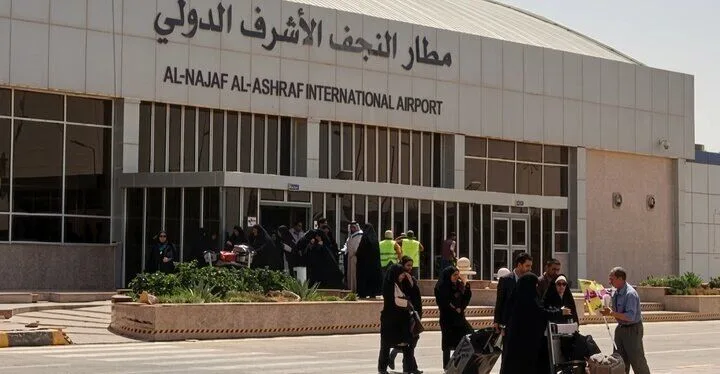
Hamid Abbas, a parliament member, also highlighted the importance of Najaf International Airport, stating: "This airport was established to serve pilgrims and students, and its cessation of operations truly harms the economic reality of the province."
Finally, Hiyam Al-Yasiri, a member of the Iraqi parliament, stated that this decision will impose heavy financial damages on the country and deprive thousands of patients and students of continuing their lives. The head of the Najaf governorate also expressed hope that the federal government of Iraq would oppose these sanctions to prevent their economic and social consequences.
Read more: Meeting of Hossein Amir-Abdollahian with the foreign ministers of India and Saudi Arabia in New York · General Kent Wilsbach: The days of safety are over