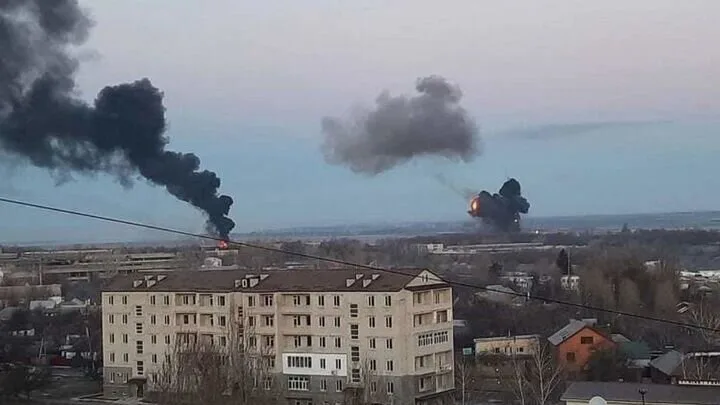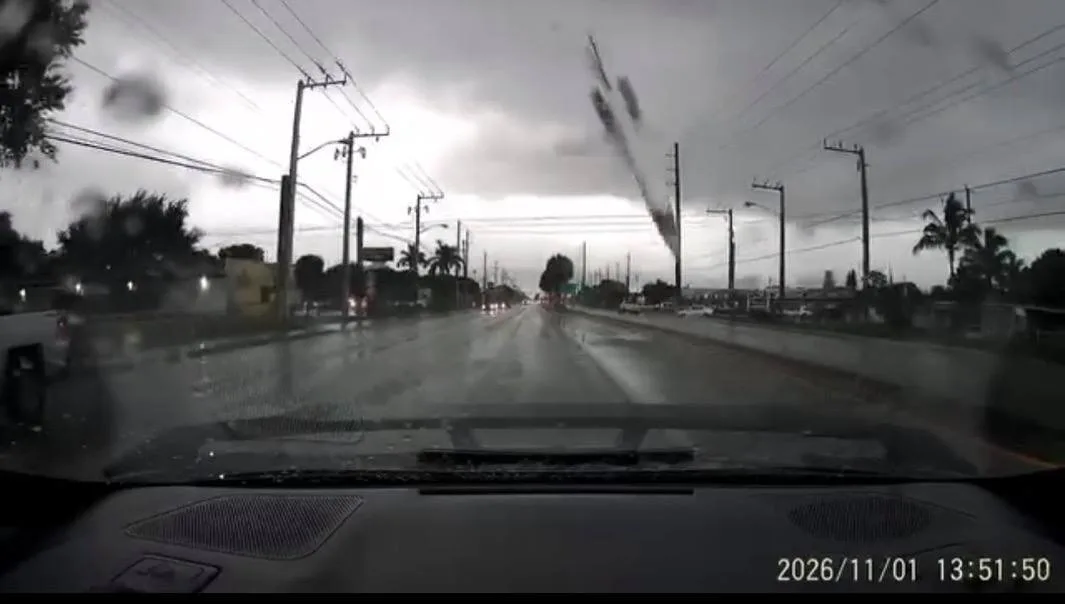
General Kent Wilsbach, Chief of Staff of the U.S. Air Force, provided a grim account of a missile attack on a U.S. airbase in the Middle East during the early days of the war with Iran. He referred to an incident where American soldiers rushed to a shelter upon hearing a missile warning. Suddenly, a missile struck near one of the shelters, igniting a large fire. While the shelter was resistant to the explosion, the forces inside were trapped, and one of them's attempt to open the door with a crowbar was unsuccessful.
The End of the Safe Era
In his speech on September 14, General Wilsbach presented this incident as a symbol of the changing security conditions of the U.S. Air Force, stating: "The U.S. Air and Space Force operated for decades often in a safe margin; those days are over." The new defense plan he announced in this speech includes the establishment of a specialized branch for base defense and the use of a "point defense weapon system."
Read more: The five-hour battle of the Al-Shaghbana tribe with pirates to free the oil tanker
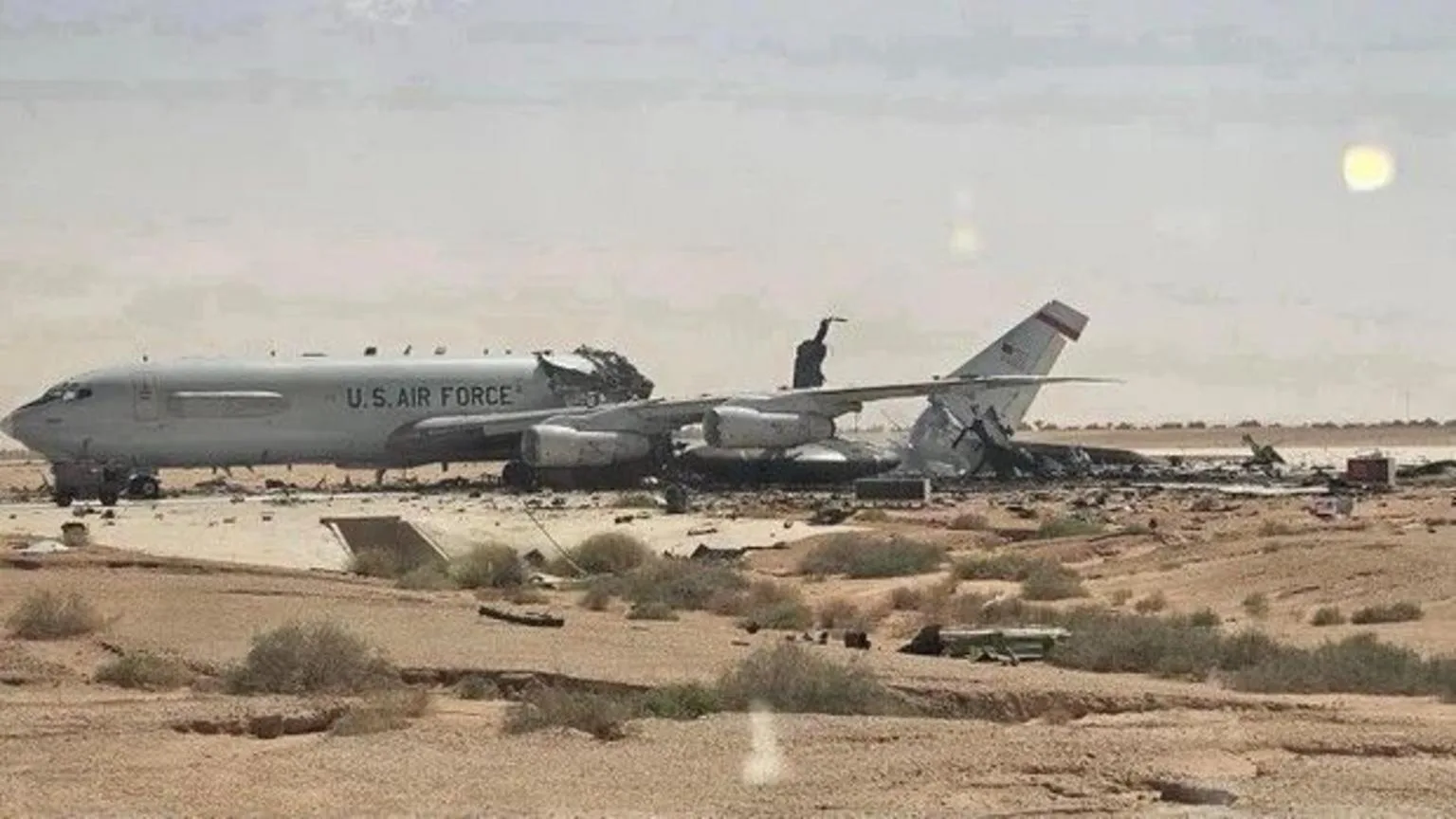
Iran's missile and drone attacks on American bases have raised an important question for Air Force commanders: How can airbases be preserved during an attack while remaining operational? Recent reports indicate that Iran's attacks have damaged or destroyed hundreds of buildings and structures at American bases.
War Damages and the Need for Change
CBS has also released images of the damages at bases in Saudi Arabia and Kuwait, indicating significant damage to military infrastructure. For instance, in the attack on the successful Al-Sultai base in Jordan, an A-10 attack aircraft was damaged, and about eight F-15 fighter jets also sustained minor damage. According to reports, U.S. forces fired about 30 Patriot interceptor missiles to counter these attacks.
Recent experiences indicate that the U.S. Air Force needs fundamental changes in its defense strategy. Justin Bronk, a researcher at the Royal United Services Institute, points out that the damages inflicted by Iran's attacks on base infrastructures have exceeded expectations. This reality pressures the U.S. Air Force to create dedicated defensive capabilities for its bases.
Existing defense systems are not designed to counter identical threats and each responds to a specific type of attack. For example, THAAD is used to intercept high-altitude ballistic missiles, while Patriot is used for defense against aerial and missile threats. Additionally, small drones flying at low altitudes present specific challenges for defending forces.
Patricia Bazylichik, a researcher in missile defense projects at the Center for Strategic and International Studies, points to the vulnerability of defense equipment and adds that radars and base protection artillery must also be safeguarded. According to her, air and missile defense resources are limited and replacing them is difficult.
The responsibility for base defense is also divided among various forces, leading to further complexities. Establishing a dedicated force for base defense could allow Air Force planners to independently decide what defensive equipment should be deployed at which base.
General Wilsbach specifically announced two actions in his speech: the formation of a "point defense weapon system" and the establishment of a career field for forces defending the bases. He stated that this system is intended to employ both destructive and non-destructive tools together, and the new branch will be operational within two years.
Read more: Saudi Arabia seeks to acquire nuclear weapons with a new agreement · President: The war was imposed on us, and we will respond with strength