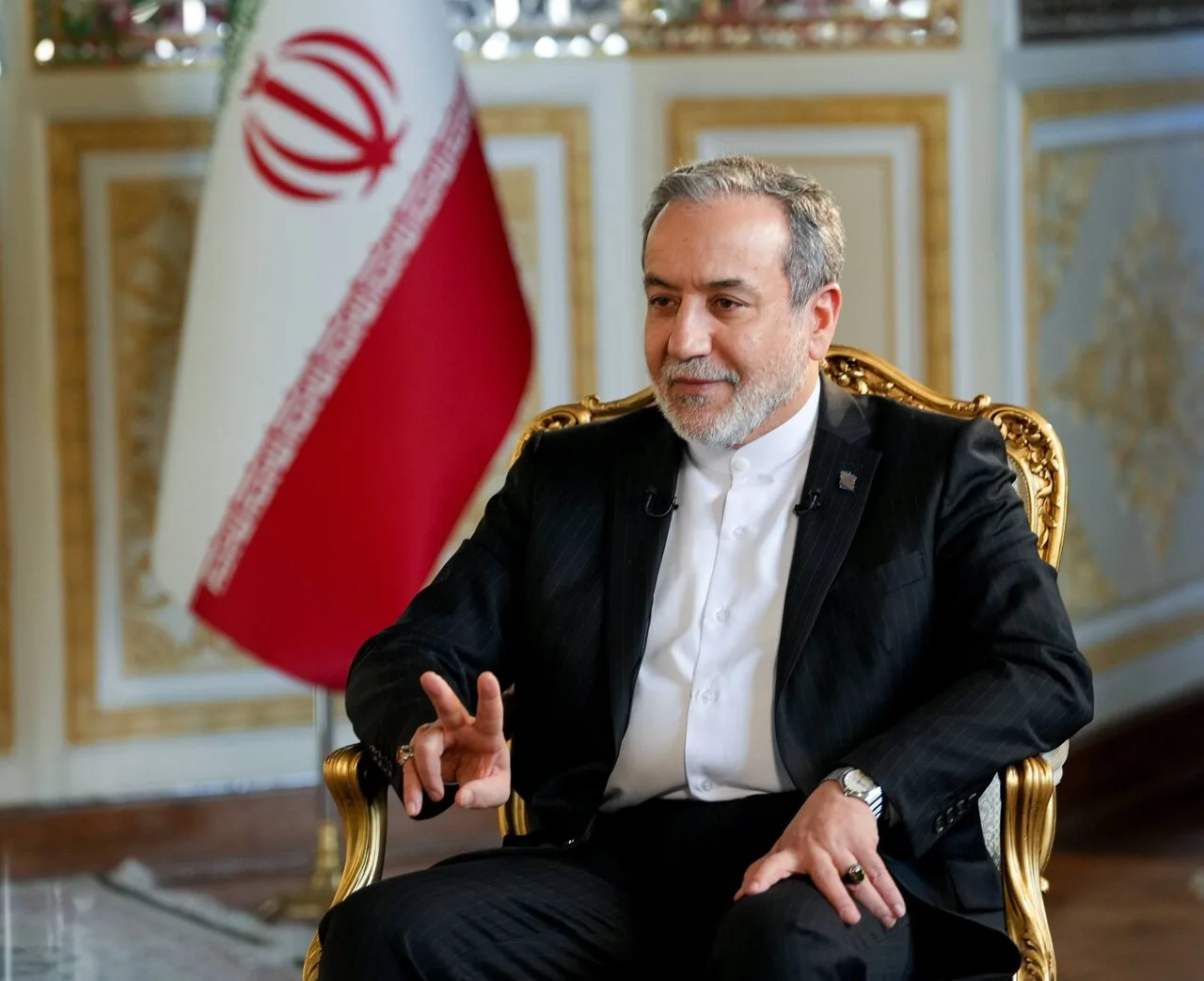
Iran has presented a new proposal to the government of Donald Trump at the United Nations General Assembly, suggesting that the Strait of Hormuz could be reopened and negotiations to end the war could resume within seven days. Abbas Araghchi, Iran's Foreign Minister, stated on the sidelines of the assembly that this proposal has been communicated to U.S. officials during contacts made this week with the mediation of other countries.
An Analysis of Both Sides' Positions
Reports indicate that the significance of this proposal for Iran lies in the fact that it was made just two days after Donald Trump's fiery speech at the General Assembly. In that speech, Trump placed Iran between the options of agreement and escalation of conflicts. In response, Masoud Pezeshkian, Iran's President, emphasized in his speech that his country would not succumb to U.S. pressures, while also keeping the door open for negotiations.
Read more: Pezeshkian: We seek to advance an agreement with the U.S. and are not looking for war
Change in Republican Approach
In recent days, more signs of a shift in the approach of some Republican candidates regarding the Iran war have emerged. Mike Rogers, a Republican Senate candidate in Michigan, emphasized in an interview that the Iran war must end "quickly." Tom Tiffany, a Republican Congressman and gubernatorial candidate in Wisconsin, also stated that it is time for the U.S. to withdraw from Iran and focus on domestic issues.
The changing attitudes among Republicans are due to increasing concerns about the political and economic costs of the war within the U.S. Jake Tapper, a senior CNN anchor and journalist, has linked these developments to the electoral consequences of the war, noting that the Iran war and economic problems are intertwined. Polls show that only 26% of Americans approve of Trump's handling of the Iran war, and this figure has also declined among Republicans.
In addition to these factors, some media have pointed to China's role in these developments. The future of the Iran war is not only dependent on battlefield developments but is also tied to diplomatic decisions, U.S.-China relations, and the domestic political climate in the United States.
Read more: Masoud Pezeshkian at the UN: We presented Iran's realities · Message from Mohammad Khatami to Masoud Pezeshkian about an effective path out of the crisis