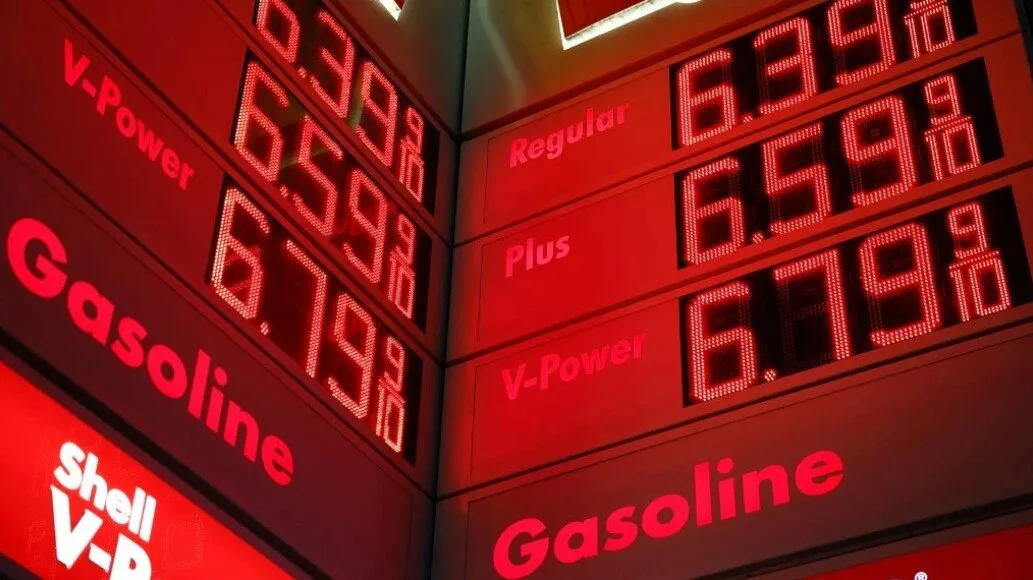
The Iran War, as a turning point in contemporary history, has had widespread repercussions for the global economy and security. Since the onset of the war between the United States and Israel against Iran last February, the Strait of Hormuz, through which about one-fifth of the world's oil passes, has been severely affected and, in some cases, closed or disputed. Meanwhile, Ukraine's attacks on Russian refineries have further pressured the energy market.
Rising Energy Prices and Global Inflation
Rising energy prices have directly impacted inflation rates and forced central banks to adopt tighter monetary policies. This situation increases financial anxiety and government bond yields, ultimately raising pressure on supply chains and households. This scenario could lead to social protests in the streets and changes in electoral outcomes.
Read more: General strike in France; protests spread from Paris to Marseille
In fact, the Iran War, as a major crisis, has quickly impacted global markets. Within days of the war's start, Brent crude oil prices rose by nearly 19%, reaching nearly $111 per barrel. The International Energy Agency has described this situation as the worst energy crisis in history. In this context, the severity of the crisis is such that even the President of the European Commission, Ursula von der Leyen, has spoken about the unintended consequences of a regional conflict.
Social and Political Impacts in Europe
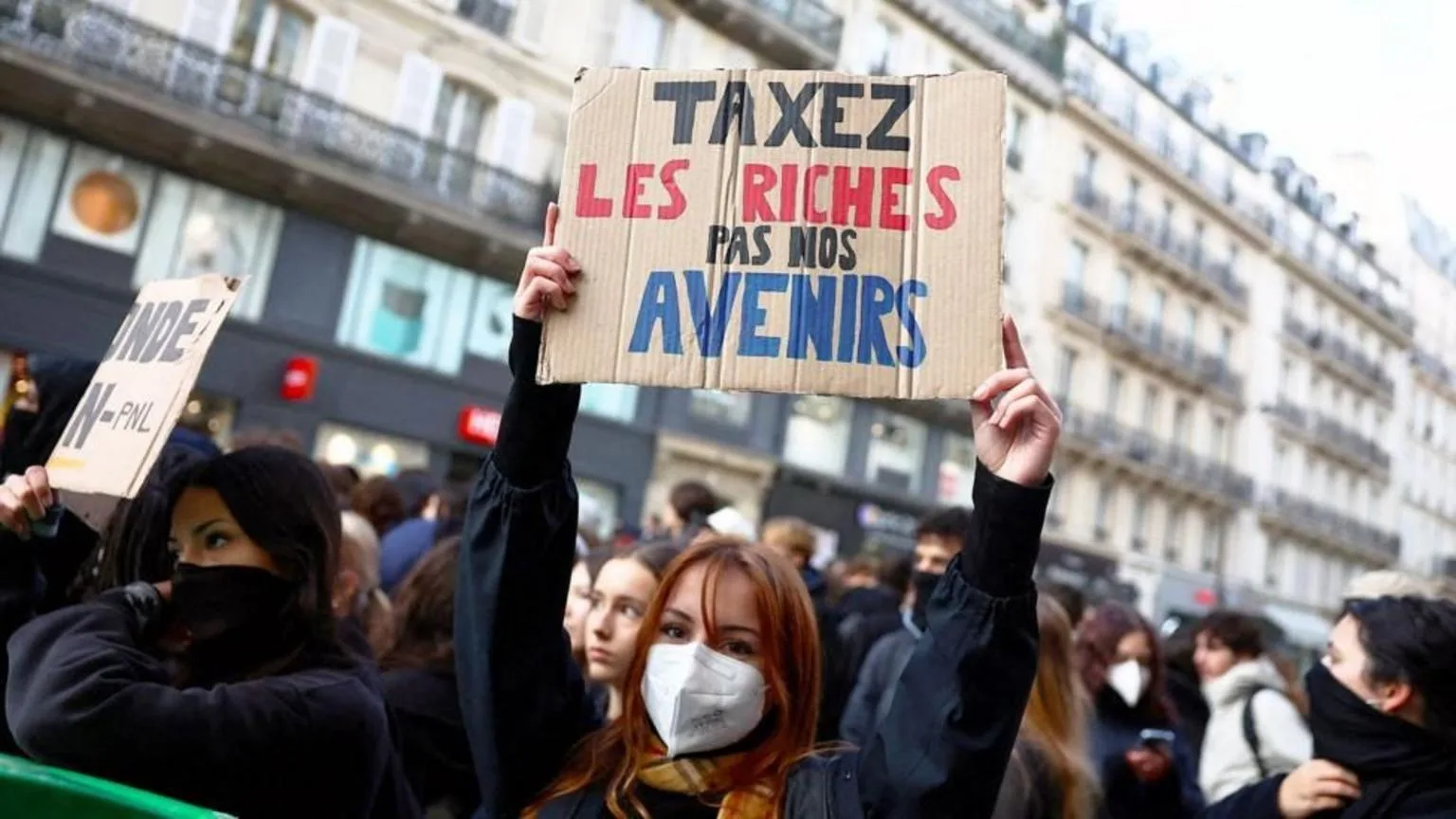
This crisis has not only affected energy prices but has also fueled inflation in the European Union. The inflation rate reached 3.8% in September, significantly higher than last year's 2.6%. Rising food prices have sparked public outrage in European cities and led to widespread demonstrations in various countries. In France, Belgium, and Italy, people have taken to the streets demanding changes in economic and social policies.
This situation, especially with the upcoming presidential elections in France and general elections in Italy, could influence voting outcomes. EU governments are trying to support vulnerable households, but budgetary disagreements may hinder effective decision-making.
In the United States, the economic crisis caused by rising energy prices has harmed Donald Trump's popularity and posed a significant challenge for him ahead of the midterm elections. Given that seven out of ten Americans complain about high gasoline prices, this situation could have serious implications for Western democracies.
Ultimately, the Iran War has manifested not only as a military crisis but also as an economic and social crisis on a global scale. These crises are interconnected, and their effects on each other are undeniable. Therefore, in the current circumstances, the need to monitor developments surrounding these issues is felt more than ever.
Read more: The U.S. sanctions companies and individuals in India and Turkey for cooperating with Iran · The U.S. midterm elections and the fate of the Iran War