In recent years, Iran has been trying to gain the trust of the international community by accepting unprecedented inspections of its nuclear program. While the International Atomic Energy Agency sought greater transparency through frequent inspections of Iran's nuclear facilities, the realities indicated a lack of reciprocal response and trust from other countries.
Iran's Commitments and the Volume of Inspections
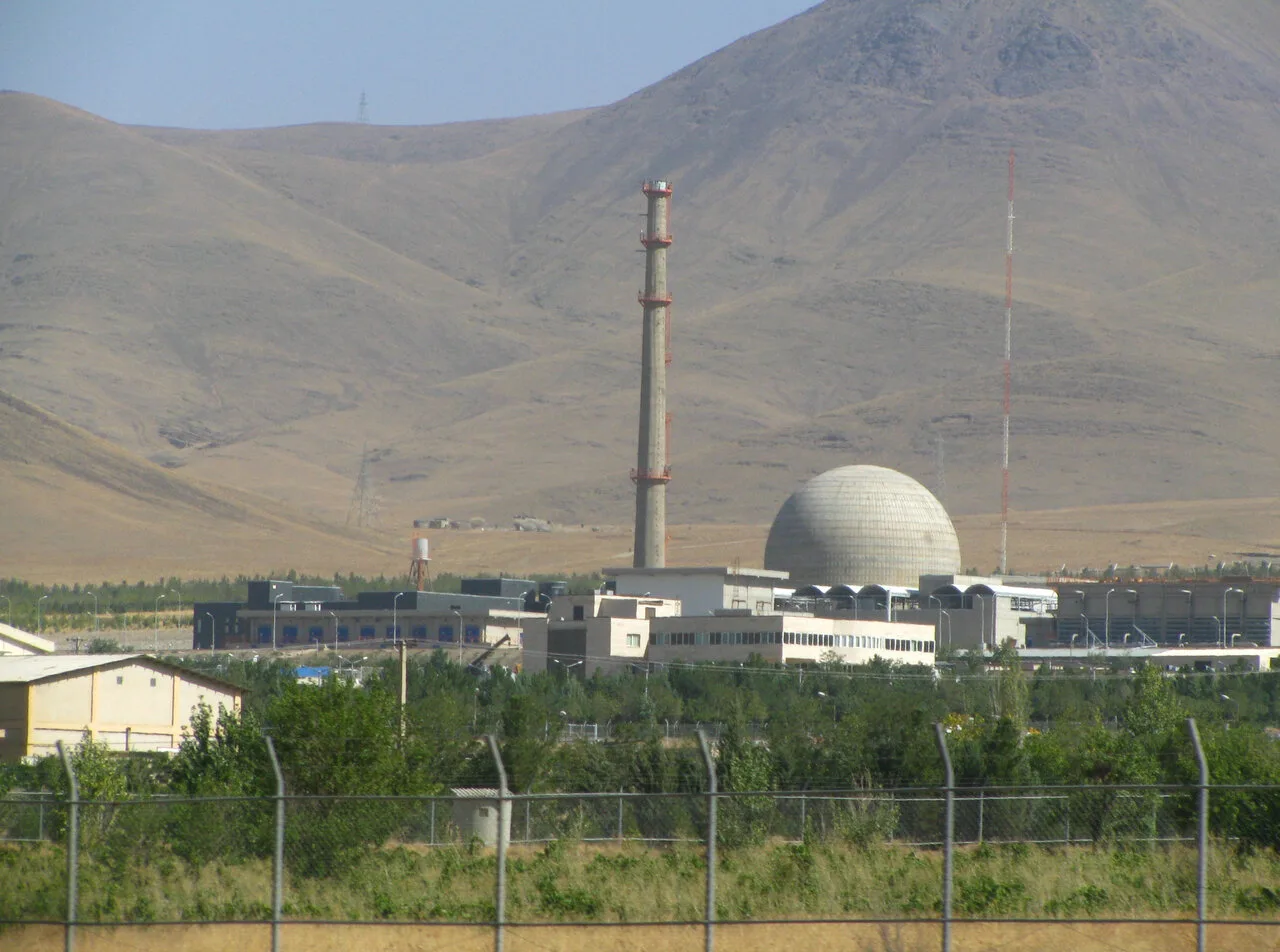
Since the implementation of the JCPOA, Iran has continued its commitments unilaterally, with over 400 inspections conducted by the Agency in just one year. According to statistics, 92 percent of the total international inspections by the Agency have taken place in Iran. This volume of oversight and inspections indicates a special focus on Iran's nuclear program, even at a time when the United States had withdrawn from the JCPOA.
Read more: The Meteorological Organization issued an orange alert for flood risk
Rafael Grossi, the Director General of the International Atomic Energy Agency, emphasized in an interview that there is a broad inspection regime over Iran's nuclear program and that inspection teams are always present in Iran. These developments occur while Iran has been adhering well to its commitments and has significantly limited its nuclear program.
Results of Trust-Building and Its Consequences
By conducting these unprecedented inspections and implementing unilateral commitments, Iran was trying to refute allegations related to its nuclear program. However, ultimately, this transparency and effort for trust-building not only failed to dispel accusations but also led to military attacks and the assassination of Iranian nuclear scientists. These actions reflect an unfortunate outcome of years of cooperation with the Agency and the international community.
In this context, the International Atomic Energy Agency and U.S. intelligence agencies have repeatedly confirmed that Iran has no intention of developing nuclear weapons. Nevertheless, the fact that Iran currently does not possess nuclear weapons does not seem to have a significant impact on the hostile behaviors of some countries. Even in recent years, intelligence reports have consistently emphasized the absence of a structured nuclear program in Iran.
Now is the time for Iran to reconsider its nuclear policies. Withdrawal from the NPT (Non-Proliferation Treaty) could be the first step in this direction. Iranian officials could adopt ambiguous positions and even silence instead of ambiguous statements. These changes in policies may allow Iran to reduce international pressures and defend its rights as an independent country.
Read more: Trump's administration and the possibility of renewed tensions with Iran after the elections · U.S. negotiations with Iran: Opening doors to diplomacy or preparing for militarization