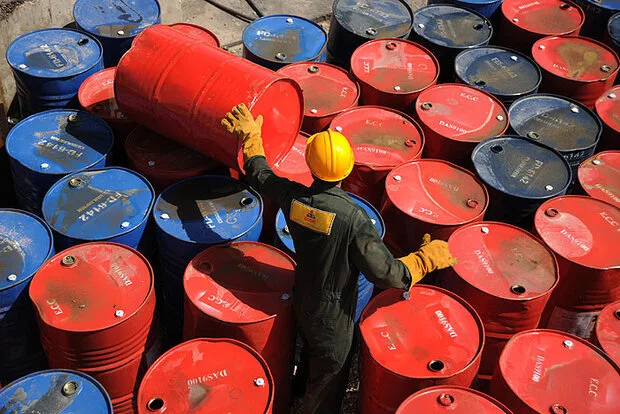
Crude oil prices today, Tuesday (September 29), have moved upward in global markets. Brent crude rose today to the range of $106.50 to $107, while U.S. crude (WTI) also reached $94.
Factors Influencing the Rise in Oil Prices
This price increase is due to the deadlock in the agreement between the U.S. and Iran and concerns about supply disruptions. The yield on U.S. 10-year Treasury bonds reached its highest level in 19 years during trading on Monday, and this surge coincided with the rise in oil prices. Brent initially rose to $108.83 and then closed with a slight decrease at $105.28.
Read more: Javad Azad: The reasonable price of carcass meat is less than one million and 500 thousand tomans
Analysts identify two main factors in the co-movement of oil prices and Treasury yields: first, increasing expectations for interest rate hikes by the Federal Reserve due to inflationary pressures, and second, the surge in oil prices and concerns about energy-induced inflation. This situation indicates that uncertainty in negotiations between the U.S. and Iran has overshadowed positive news regarding the resumption of Saudi oil pipeline operations, keeping oil prices on an upward trajectory.
Trump's Reaction and Iran's Position
Donald Trump, the President of the United States, on Monday denied reports that Washington was willing to reduce sanctions in exchange for nuclear progress. He wrote on his social media: "This is not true. I did not offer them anything!" This denial actually reflects Trump's efforts to prevent rising oil prices and inflationary pressure on the U.S. economy.
On the other hand, Seyed Abbas Araghchi, Iran's Foreign Minister, emphasized that Tehran's position on the nuclear issue has not changed. Araghchi had previously stated that Iran is fully prepared to resume the war and will stand against any new aggression. Iran's proposal included specific conditions, and its rejection by Trump caused a spike in oil prices.
Since the beginning of September (September 10), oil prices have risen by about 17% and are on track for a third consecutive month of increases. The simultaneous record-breaking yields on U.S. Treasury bonds and the continued surge in oil prices present a clear narrative for global markets: Washington has failed to control oil prices, and this failure has returned to the U.S. economy in the form of increased financial and inflationary costs.
Read more: The blacklist of 214 individuals involved in suspicious transactions in the currency and gold market has been announced · Al-Nujaba: Baghdad must reconsider its decision to ban Iranian planes from landing