The International Monetary Fund (IMF) has warned that the global economy "may soon be under pressure on its capacities," as emergency oil reserves are dwindling and government budgets are under strain. In its biennial report titled "World Economic Outlook," the organization stated that global growth over the past six months has been better than expected, facing challenges in the Middle East region.
Challenges from Energy Crises
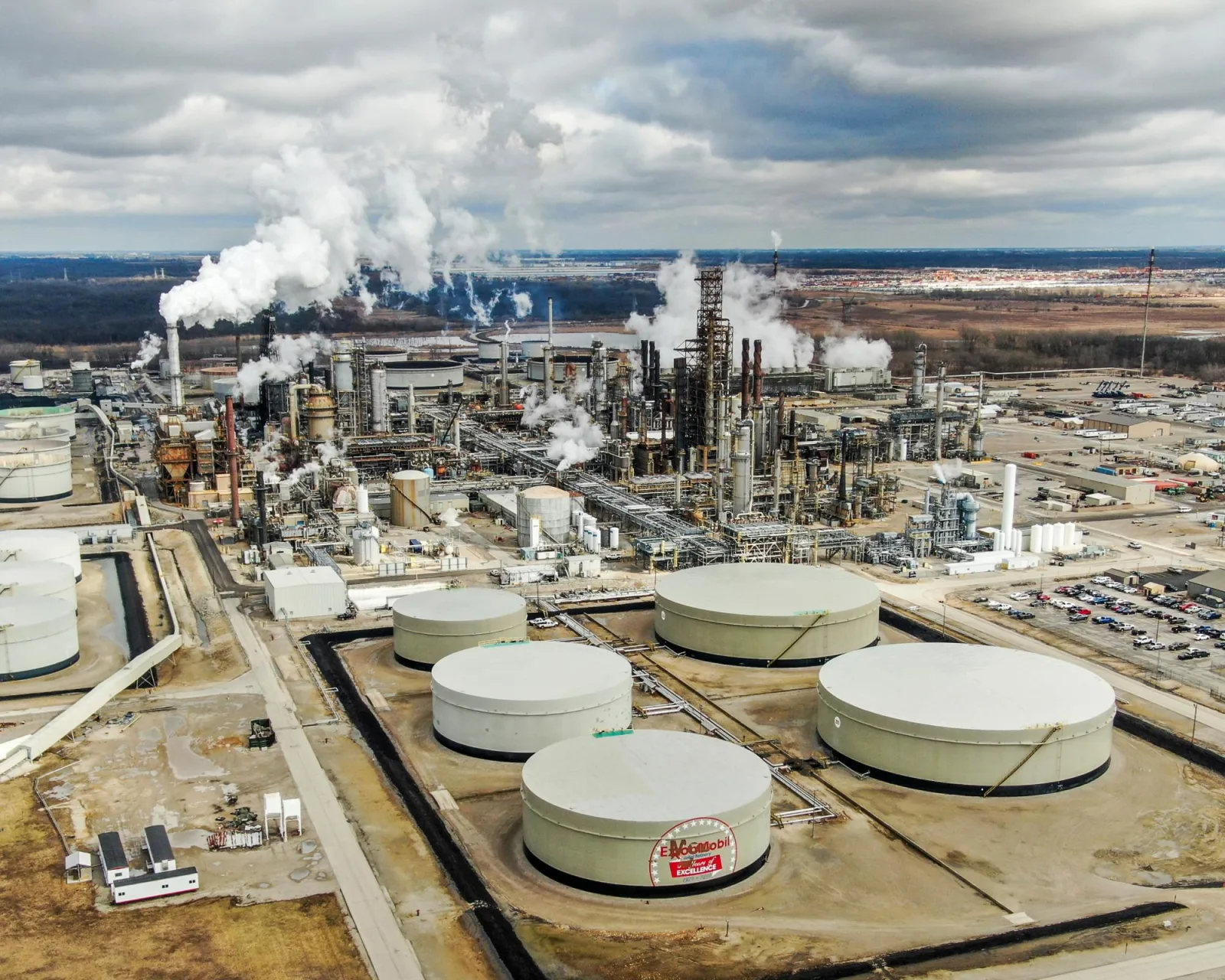
The IMF stated that rerouting oil supply from the Strait of Hormuz and releasing strategic energy reserves have helped mitigate the negative impacts of the war between the United States and Iran on oil prices. However, the organization warns that emergency reserves have now decreased, and debt and deficit levels in many countries could hinder governments from protecting consumers against rising prices.
Read more: Daily income of oil tankers reached one million dollars
The report states: "Without strengthening supply capacity and renewing policy resources, the global economy may soon put pressure on its capacities." It also emphasizes that inventories in energy markets are declining, and new geopolitical shocks could quickly impact prices and supply disruptions.
Economic Consequences and Global Expectations
The International Energy Agency announced the largest emergency release of oil reserves to the market in March this year and promised to accelerate this process following last month's meeting of oil ministers. However, reports indicate that the U.S. strategic oil reserve has fallen to its lowest level since 1982.
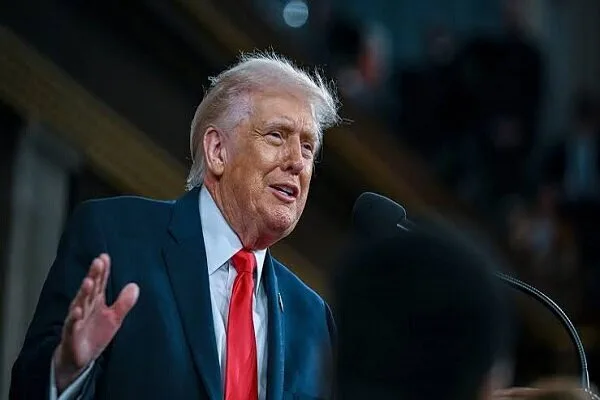
The government of Donald Trump has also recently signed an agreement with Vladimir Putin to temporarily suspend sanctions on Russian diesel imports to reduce prices at the pumps, a move that analysts believe will have no significant impact.
Meanwhile, Kristalina Georgieva, the executive director of the IMF, has urged governments to tighten their belts in light of rising global debt levels. She said: "We cannot delay necessary actions – you have the tools, now have the wisdom to use them."
In this report, the IMF has slightly improved its forecast for global economic growth for this year to 3.1 percent. The forecast for next year remains unchanged at 3.4 percent.
The economic growth of the United States has remained stable for this year and has increased to 2.3 percent for 2027. Additionally, the forecast for the UK's GDP growth has increased to 1.3 percent for this year, which is good news for John Healey, the UK Chancellor.
However, the IMF emphasized that there are "downside risks" for the global economy, particularly from ongoing tensions in the Middle East that could lead to rising energy and food prices.
Ultimately, the International Monetary Fund stressed the need for central banks to be prepared to respond quickly to price fluctuations and warned that the economic conditions are changing and require greater agility.
Read more: Manouchehr Khajehdelooyi: A 200 million housing loan will be granted to the underprivileged · Fire at Cardon refinery in Venezuela halted production of 310,000 barrels