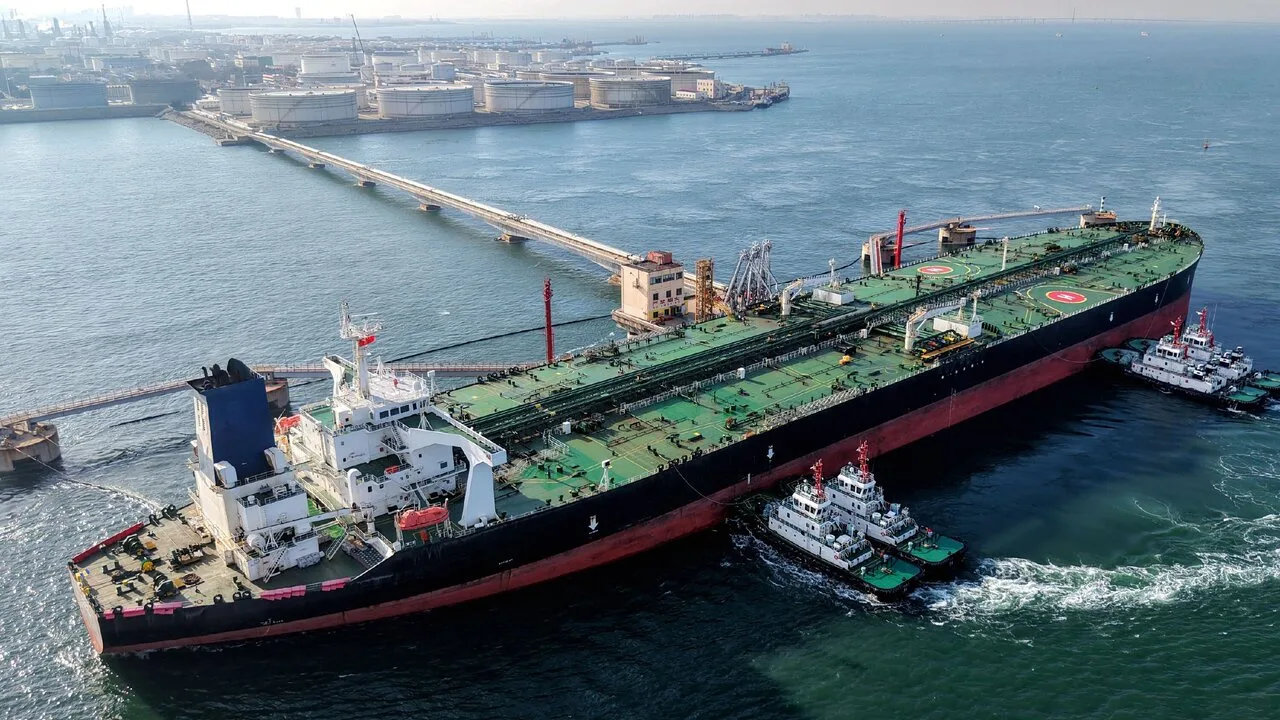
The daily revenue of Very Large Crude Carriers (VLCC) on the route from the Persian Gulf to China has reached an unprecedented figure of approximately one million and 412 thousand dollars. This increase in charter rates reflects the growing demand for oil transportation and the difficulties in accessing available tankers.
Growth of Tanker Revenue on Various Routes
The daily revenue of tankers on other routes has also significantly increased. For example, tanker revenue on the route from the Persian Gulf to Singapore has reached about one million and 448 thousand dollars. Additionally, the revenue of VLCCs on the route from West Africa to China has reached 763 thousand dollars, and on the route from the Gulf of Mexico to China, it has reached 638 thousand dollars. These figures clearly indicate an increase in demand for oil transport capacity.
Medium Tankers Are Also Growing
The increase in rates is not limited to supertankers; the market for medium tankers has also seen significant revenue growth. For example, the daily revenue of Suezmax tankers on the route from the Black Sea to the Mediterranean has reached about 817 thousand dollars. On the route from the Persian Gulf to the Mediterranean, this figure has increased to 759 thousand dollars. In the Aframax tanker market, the daily revenue on the route from the North Sea to continental Europe has reached 527 thousand dollars, and on the route from Kuwait to Singapore, it has reached 454 thousand dollars.
According to published reports, the index charter rates for tankers have significantly increased. The Suezmax index rate on the route from the U.S. to Europe has reached 577 thousand and 792 dollars per day, indicating a 150 percent increase compared to the previous week. Additionally, the Suezmax rate on the route from West Africa to Europe has also grown by 145 percent to 567 thousand and 138 dollars per day.
Factors Influencing Oil Transport Rates
Analyses indicate that increasing geopolitical risks, changes in Saudi Arabia's oil export routes, and increased loading from the eastern ports of this country have been the main factors driving the rates up. Based on forecasts, if these security risks continue and loading from the Persian Gulf increases, oil transport rates will remain high in the fourth quarter of 2026.
These developments in the tanker market not only impact the revenues of companies operating in this sector but can also directly affect global oil prices and, consequently, the global economy. This situation reflects the challenges and new opportunities facing the oil and maritime transport industry.
Read more: The price of Imam coin reached 2,691,050,000 rials · Cancellation of the contract for the sale of Iranian oil to seven Chinese refineries needs to be reviewed