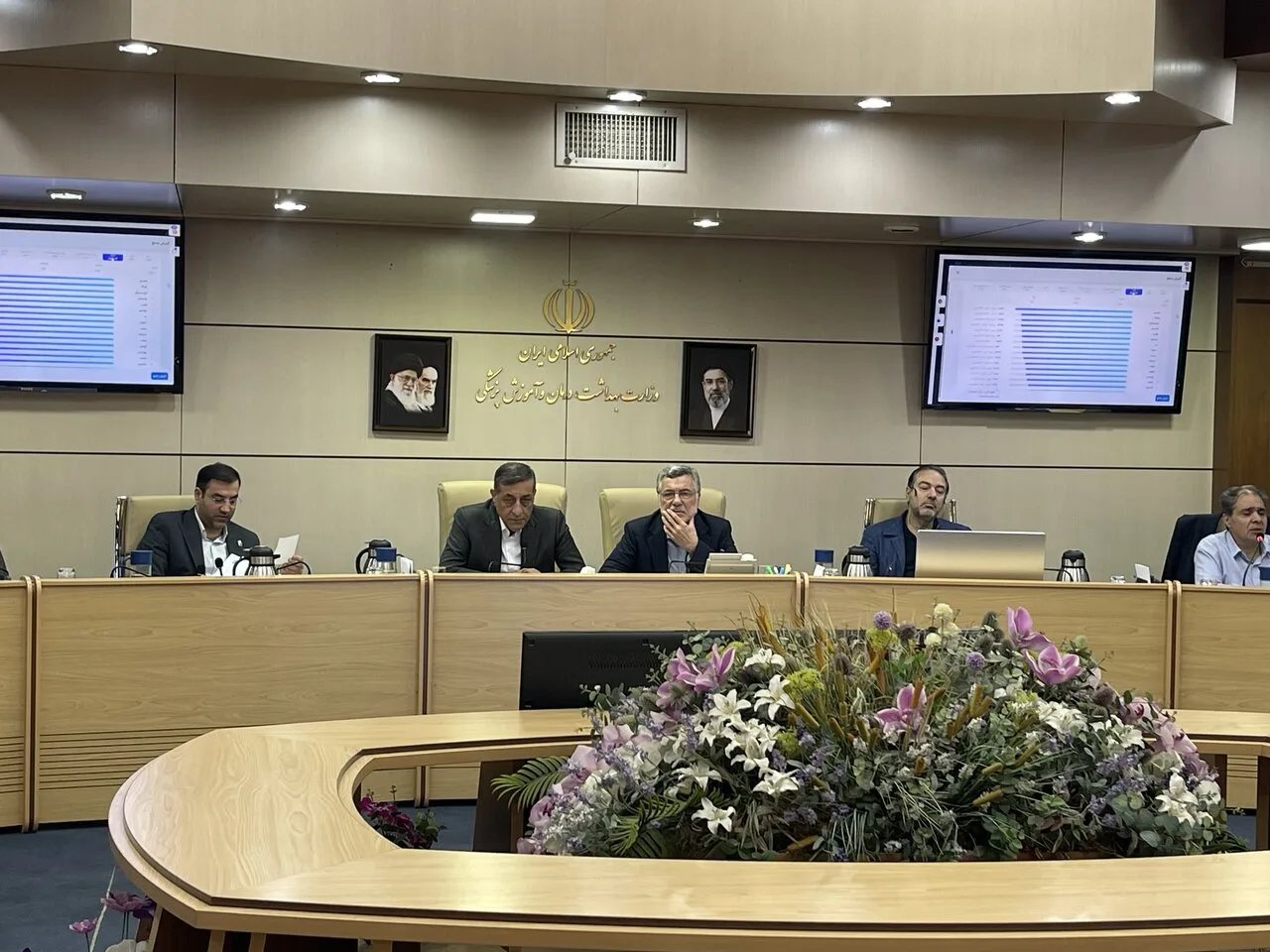
Alireza Raisi, Deputy Minister of Health, elaborated on the latest status of the implementation of this program at the family medicine meeting. He announced that currently, ٦٤ health and treatment networks from ٦٤ universities and medical science schools across the country have been selected to implement the family medicine program, and this plan is in the establishment phase.
Number of Covered Patients and Initial Progress
Raisi discussed the population covered by this program, stating: So far, ١٣.٣ million people, including ٦٠% of the urban population and ٤٠% of the rural population, have been covered by this plan. The assignment of the rural population in the areas of the plan's implementation has reached ١٠٠%, while in the urban population, this figure is about ٦٠% and is gradually being completed.
This official also referred to the status of human resources in the family medicine program and said: Currently, ٢,٥٢٨ doctors are working in selected urban and rural centers, of which ٩٤٤ are government doctors and ٢٩٩ are from the private sector. However, there is a shortage of about ١,٥٤٧ doctors that need to be gradually added.
Important Achievements and Identification of New Patients
Raisi spoke about the initial results of the family medicine program and added: Although the plan is still in the establishment phase, about ٣.٥ million visits at the primary health service level have been recorded, and more than ٤٠٠,٠٠٠ referrals and ١٣٦,٠٠٠ visits at the secondary level have been conducted. One of the important achievements of this program is the organization of the appointment system, which has reached over ٦٤% in each of the ٦٤ selected networks.
He also referred to the early identification of about ٦٣,٠٠٠ people with non-communicable diseases and said: During this period, ١٩,٢٤٦ new diabetes patients, ٣٤,٧٣١ new hypertension patients, and ٩,٣٢٢ individuals with pre-diabetes have been identified. The identification rate of diabetic patients in the target population has increased from about ٢٢% to ٤٩.٧%.
Raisi emphasized that the family medicine program is still in the establishment phase, and with the completion of human resources and the development of infrastructure, the possibility of more accurate evaluation of its results in the field of prevention and early detection of diseases will be provided. In later stages, other indicators such as cancer screening and child care will also be added to the monitoring system of this program.
Read more: Mohammad Hossein Zarehzadeh: Birth of ٢١,٠٠٠ infants in the