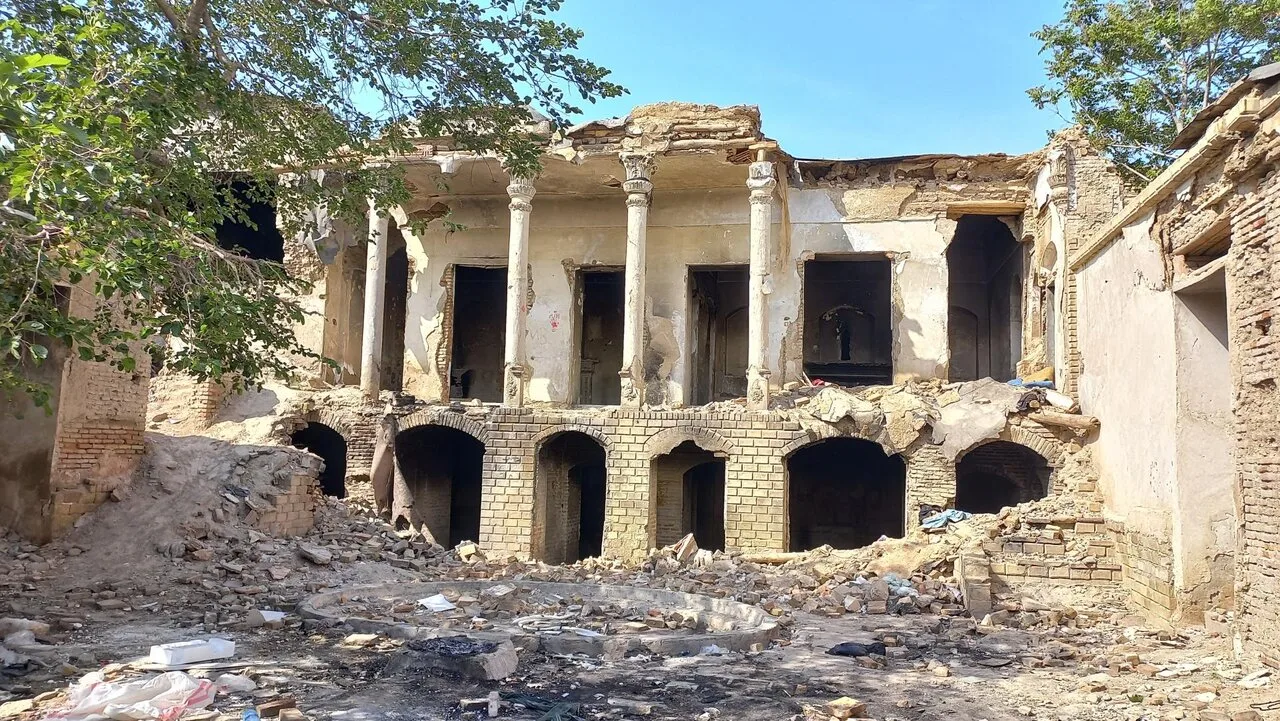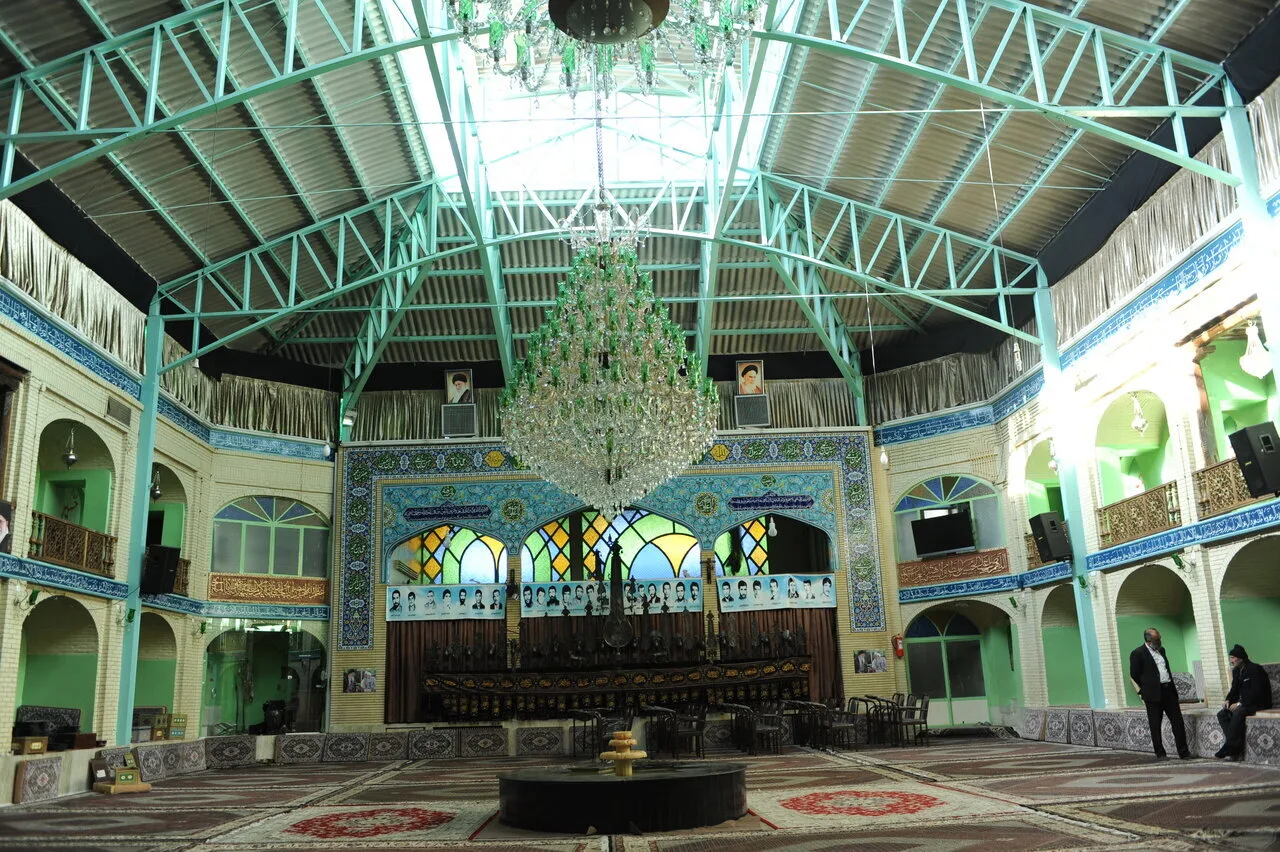
Hosseiniyeh Noor, one of the historical buildings in the Darqazi neighborhood of Kon, has recently been registered as a national heritage. Seyyed Ahmad Alavi, the head of the Tourism and Cultural Heritage Committee of the Islamic Council of Tehran, stated that Kon, with its rich historical and cultural background, is considered one of the valuable areas of Tehran, and this Hosseiniyeh holds significant importance as a symbol of the identity of the people in this neighborhood.
History and Features of Hosseiniyeh Noor
Hosseiniyeh Noor, with an area of over one thousand square meters and a history of about 140 years, is regarded as one of the prominent historical buildings in Kon. This building, with features such as arched niches and its traditional structure, is recognized not only for its architectural beauty but also as a venue for religious ceremonies and mourning rituals in this area. Alavi further added that this Hosseiniyeh is not just an architectural structure but also represents a part of the memories and social interactions of the people of Kon.
Read more: Flag Day ceremony held at the Ministry of Culture and Islamic Guidance
Preservation of Tehran's Historical Identity
The head of the Tourism and Cultural Heritage Committee of the Islamic Council of Tehran emphasized the importance of preserving such buildings and said: "The historical Hosseiniyehs of Kon have been places for forming part of the social interactions and religious ceremonies of the people in this region." He continued that the national registration of Hosseiniyeh Noor is part of ongoing efforts to protect the lesser-known heritage capacities of Tehran. These efforts also include the national registration of Tochal and the intangible heritage of Kon.
The Future of Hosseiniyeh Noor and Tehran's Cultural Heritage
Alavi noted that alongside efforts for the registration and protection of Hosseiniyeh Noor, the registration and protection of the shrine of Bibi Shahrebanu is also being pursued. He added: "We strive to ensure that the historical and cultural capacities of Tehran, whether in the realm of historical buildings or in the area of intangible heritage and folk rituals, pass through administrative processes and reach the stage of protection and introduction."
These efforts not only help preserve the physical structure of the buildings but also aid in maintaining and transmitting the rituals and traditions that have developed over decades in these buildings. Alavi emphasized that Tehran is not just a collection of streets and new buildings, but neighborhoods like Kon, Rey, and other historical areas of the capital contain multiple layers of the history, culture, and identity of this city. In fact, if we do not take action today to register and protect this heritage, part of this historical memory may be lost forever.
Read more: Arash Abasi: We have ideas for Capital 8 and we are working on them · 90% ownership of Kamarzarin properties; a new beginning in archaeological explorations