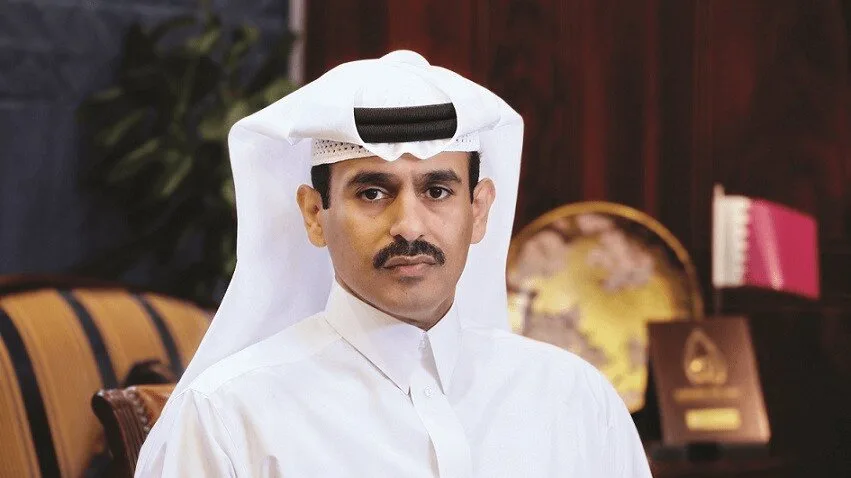
Saad bin Sherida Al-Kaabi, CEO of Qatar Energy and Minister of State for Energy Affairs, discussed new dimensions of the challenges facing the country's gas exports in an exclusive interview. Following the 40-day war and attacks on the "Ras Laffan" facilities, Qatar is facing a 17% reduction in its liquefied natural gas export capacity and an annual loss of $20 billion.
Impact of War on Qatar's Gas Exports
In his interview, Al-Kaabi stated that Qatar has turned to purchasing liquefied natural gas through multi-year contracts from the United States and other producers to compensate for the damages caused by these disruptions. He explained that this strategy was adopted to prevent negative future impacts resulting from the closure of the Strait of Hormuz and a decrease in revenues. Qatar is now buying gas from others instead of selling its own, which indicates the desperation of the country.
Long-term Contracts with Foreign Producers
Qatar Energy recently signed a 20-year contract to purchase 3 million tons of liquefied natural gas annually from the facilities of "Woodside" in the United States. This contract, along with two new agreements with "Cheniere Energy" for the purchase of up to 4 million tons annually, has increased the volume of Qatar's new contracts to 7 million tons per year in just two weeks. Al-Kaabi also mentioned plans to sign more contracts with durations of 20 to 25 years.
However, Al-Kaabi admitted that American gas cannot completely replace the halted gas from Qatar. He stated that this gas must be delivered from specific facilities and cannot be transferred to just any customer waiting for Qatari shipments. The purpose of these purchases is solely to insure revenues and protect Qatar's funds.
Al-Kaabi further emphasized that repairing the two damaged units of the "Ras Laffan" facilities will take about 3 years, and even after a peace agreement, Qatar will only be able to resume production from the healthy units. According to him, Qatar's total production capacity will remain at about 83% of its previous level until the repairs are completed.
Qatar is striving to increase its liquefied natural gas production capacity to 142 million tons per year, but this plan is severely affected by the unrest in the Strait of Hormuz. Al-Kaabi clearly stated that the realization of these projects depends on the stabilization of export routes, and without that, there is no bright outlook for the country.
Ultimately, Al-Kaabi pointed out the negative impacts of war and insecurity on Qatar's gas industry, stating that his country has been forced to adopt these new methods to compensate for the damages. Now, instead of relying on its gas exports, Qatar has turned to meeting its needs from abroad.
Read more: Amir Hassan Kakayi: Sanctions on Rail Transport Fuel the Economic War · JD Vance: Trump Will Not Allow the Iran War to Become an Endless War