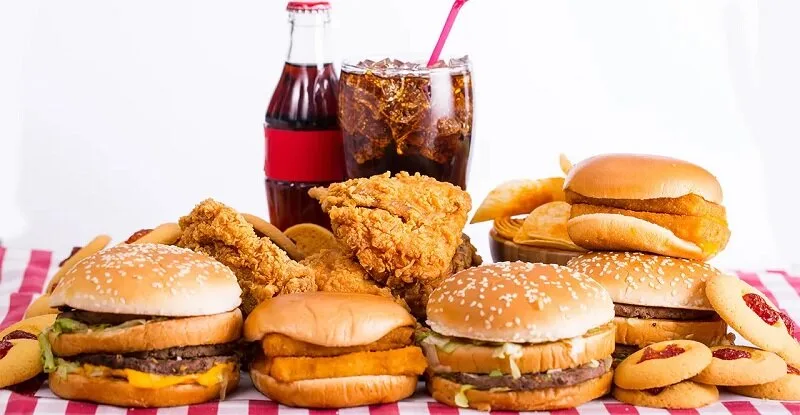
Packaged and ready-to-eat foods have become an integral part of modern life, finding a special place in the grocery baskets of many families due to their quick preparation, long shelf life, and pleasant taste. But are all these products truly healthy and beneficial?
Difference Between Processed and Ultra-Processed
To better understand these products, we first need to grasp the difference between processed and ultra-processed. Food processing is not inherently negative. Many foods are processed to enhance shelf life, safety, or ease of consumption. For example, pasteurizing milk or canning foods is part of the normal production process.
Read more: The Impact of Arm Position on Blood Pressure Measurement and the Risk of Misdiagnosis
However, ultra-processed foods are typically products with more complex industrial formulations. Sweetened sodas, some packaged snacks, and ready meals are examples of this group. The important point is that being packaged alone is not an indicator of being ultra-processed.
How to Identify?
To assess the level of processing of a product, looking at the ingredient list on the packaging can be enlightening. A long list that includes diverse ingredients and less familiar names can be a warning sign. However, the length of the list alone is not a definitive criterion. In many ultra-processed products, in addition to the main ingredients, compounds are added to create flavor, color, and texture.
In the ingredient list, we encounter names like maltodextrin, modified starch, or isolated proteins. The presence of such substances may indicate that the product has used raw materials that have been extracted or altered through industrial processes.
However, one should not judge a product's healthiness based solely on one name. What matters more is the overall composition of the product and the amounts of sugar, salt, and fat it contains.
One common mistake when shopping is making decisions solely based on promotional phrases on the packaging. Phrases like "low-fat" or "sugar-free" do not guarantee that the product is a suitable choice. Therefore, it is better to focus on the ingredient list and the nutritional value table instead of the promotional writings.
Consequences of Consuming Ultra-Processed Foods
Research evidence in recent years has shown that increased consumption of these products is associated with some adverse health outcomes. These products can provide a lot of energy in a small volume while containing significant amounts of sugar, salt, or fat. On the other hand, excessive consumption of such products may replace simpler and more nutritious foods like fruits and vegetables in the diet.
Therefore, the issue is not just that a product is industrial, but it is important to consider how much of the daily diet these products constitute and what foods they displace from the table.
To reduce the consumption of ultra-processed foods, it is not necessary to suddenly eliminate all packaged products. Gradual and realistic changes are usually easier and more sustainable. One of the first steps is to increase the share of simple and minimally processed foods in the daily diet.
Read more: Reducing Depression Symptoms in Four Weeks with Dietary Changes Under the Guidance of Nyasha Chagudra · Morteza Rouhani: The