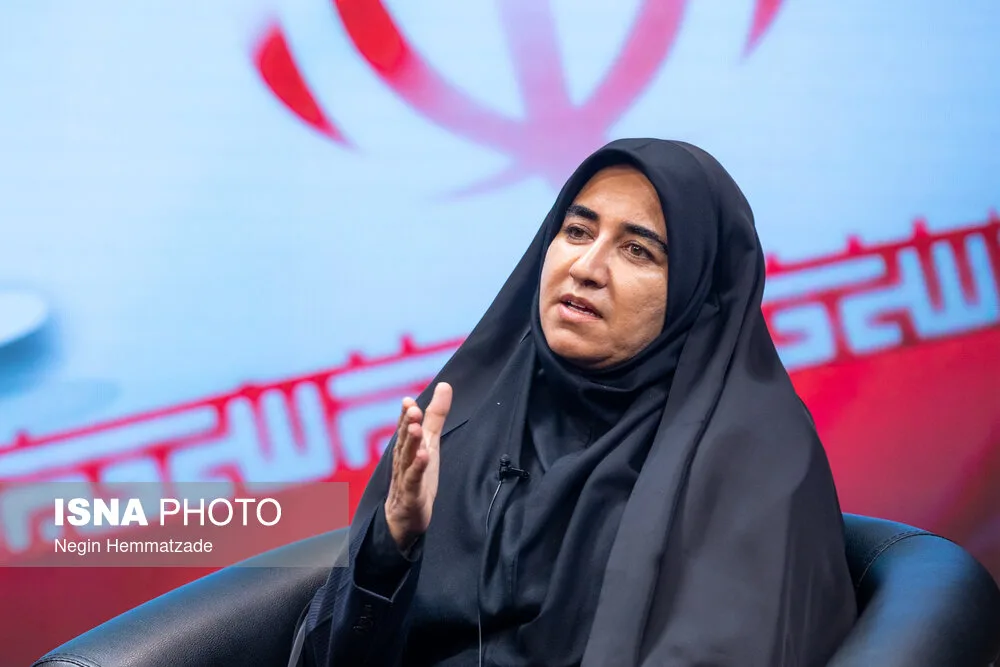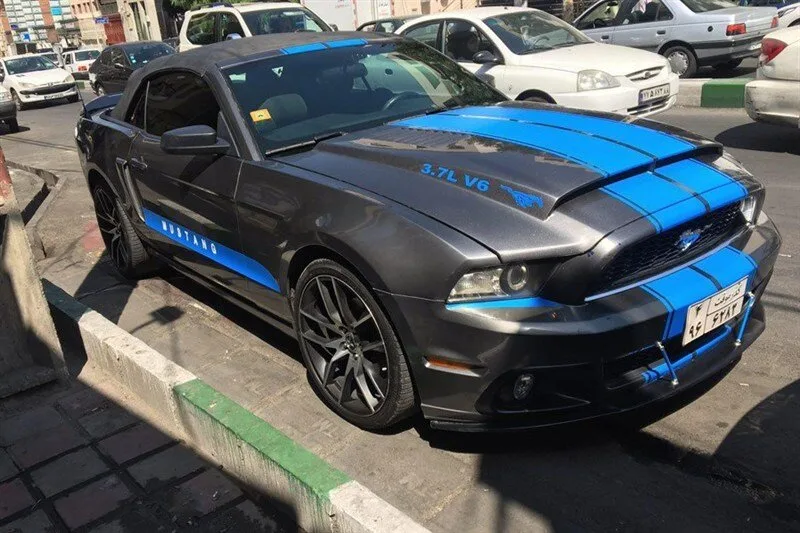
Gholamreza Mirzaei, a representative of the people in the Islamic Consultative Assembly, raised his concerns regarding the import of expensive cars into the country, especially Ford cars, and emphasized the need for transparency in currency allocation.
Import of Expensive Cars and Disorder in Currency Allocation
Mirzaei stated: "In a situation where the country needs to manage currency allocation, one of the most important issues is that it is unclear whether the allocated currency for registering orders is spent in accordance with those orders." He added: "Is this currency really allocated for the import of essential goods needed by the country, or is it used for other purposes?"
Read more: Review of Today's Newspaper Headlines, Tuesday, November 5, 1405
This member of parliament criticized the entry of some non-essential goods, especially expensive cars, and emphasized: "These days, we see many expensive cars, including Fords, on the streets of Tehran. In this situation, it should be clarified how these cars enter the country and on what basis the currency needed for their import is provided."
The Need for Supervision and Transparency in Currency Allocation
Mirzaei also referred to the lack of transparency in the currency allocation process and said: "It is unclear how the currency needed for the import of these goods is allocated and whether there is sufficient oversight on the use of the allocated currency."
He noted: "Unfortunately, the necessary transparency is not seen in this regard, and the government must clearly announce to whom and for what purposes the currency is allocated and how it supervises the commitments related to it." In fact, Mirzaei, highlighting the importance of proper management of currency resources, called for the establishment of mechanisms for oversight of imports and currency allocation so that these resources are used correctly and to meet the real needs of the country.
Given the current economic conditions and the urgent need for optimal management of resources, Mirzaei's concerns about currency allocation and the import of non-essential goods reflect the voices of many representatives and the public. In a situation where the country is grappling with economic and livelihood problems, the entry of luxury and expensive cars into the country raises serious questions about the government's economic and trade policies.
Read more: Head of the 13 Aban Ceremony Committee: From the Battlefield to the Resistance Schools' Trenches · Mehdi Zarqani: The Cost of Housing Construction Has Reached 120 Million Tomans and Builders Are Going Abroad