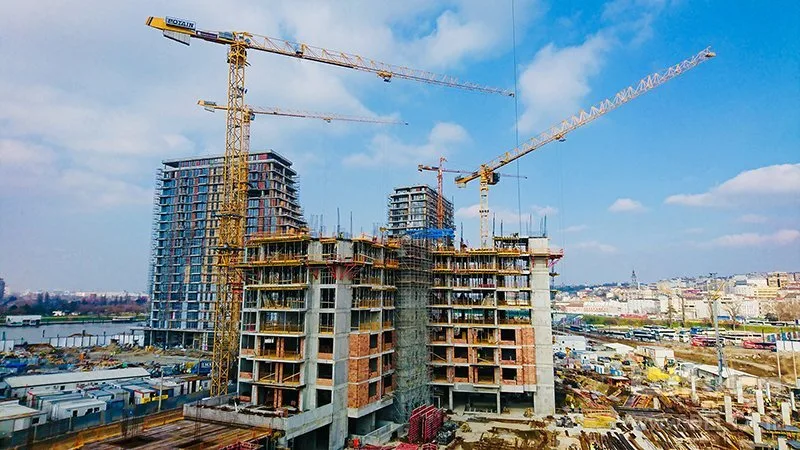
Mahdi Zarghani, the secretary of the Tehran Builders Association, reports a significant increase in housing construction costs and its consequences for the construction industry. According to him, the cost of constructing economic and supportive projects has reached about 42 to 50 million tomans per square meter. Meanwhile, the cost of constructing conventional buildings of five to seven floors in Tehran reaches 65 to 70 million tomans, and the cost of building towers, depending on project specifications, is estimated to be around 100 to 120 million tomans for each square meter of unusable space.
Challenges of the Iranian Construction Industry
These figures have been presented at a time when, according to the announced statistics from the price index of residential building materials in Tehran, the seasonal inflation of materials in spring 1405 has reached 20.7 percent and the point-to-point inflation has reached 106.8 percent. The rise in the prices of materials, wages, and equipment has made predicting the final costs of projects more difficult and increased the investment risk in construction.
Zarghani also points to the lack of financial resources and the slow progress of the National Housing Movement projects, stating that builders' activities in these projects have reached about five percent of capacity. He announced that the Tehran Builders Association has about 10,000 units under construction in related projects.
Impacts of Builders' Migration
In such circumstances, builders are seeking solutions for financing and continuing their activities. Zarghani emphasizes that the contributions of applicants and bank facilities do not adequately match the current construction costs. He considers the 850 million toman facilities for some projects insufficient to cover the current construction costs. Delays in disbursing facilities or limited financial coverage can also postpone project completions and impose additional costs on builders and applicants.
According to the statistics from the Statistical Center of Iran, in 1404, the construction of 387,604 residential units was projected in building permits issued in urban areas of the country; a figure lower than the annual need of one million units mentioned in the comprehensive housing plan estimates.
Zarghani states that a number of Iranian developers and builders have shifted their activities to the countries bordering the Persian Gulf, Central Asia, and some other markets. The difficulty in predicting costs and the lack of a clear outlook for investment are significant factors influencing this decision. This migration could create new opportunities for construction companies, but if it is due to the difficulties of operating in the domestic market, there is a possibility of reduced investment and the underutilization of builders' capacities in domestic projects.
The increase in construction costs, limited facilities, and the decrease in household purchasing power simultaneously put pressure on both the supply and demand for housing. In such conditions, facilitating project financing, timely disbursement of facilities, and creating more stability in the investment environment could significantly influence builders' decisions to continue their activities. Otherwise, the slowdown of new projects and delays in completing unfinished units may exacerbate the housing supply challenge in the coming years.