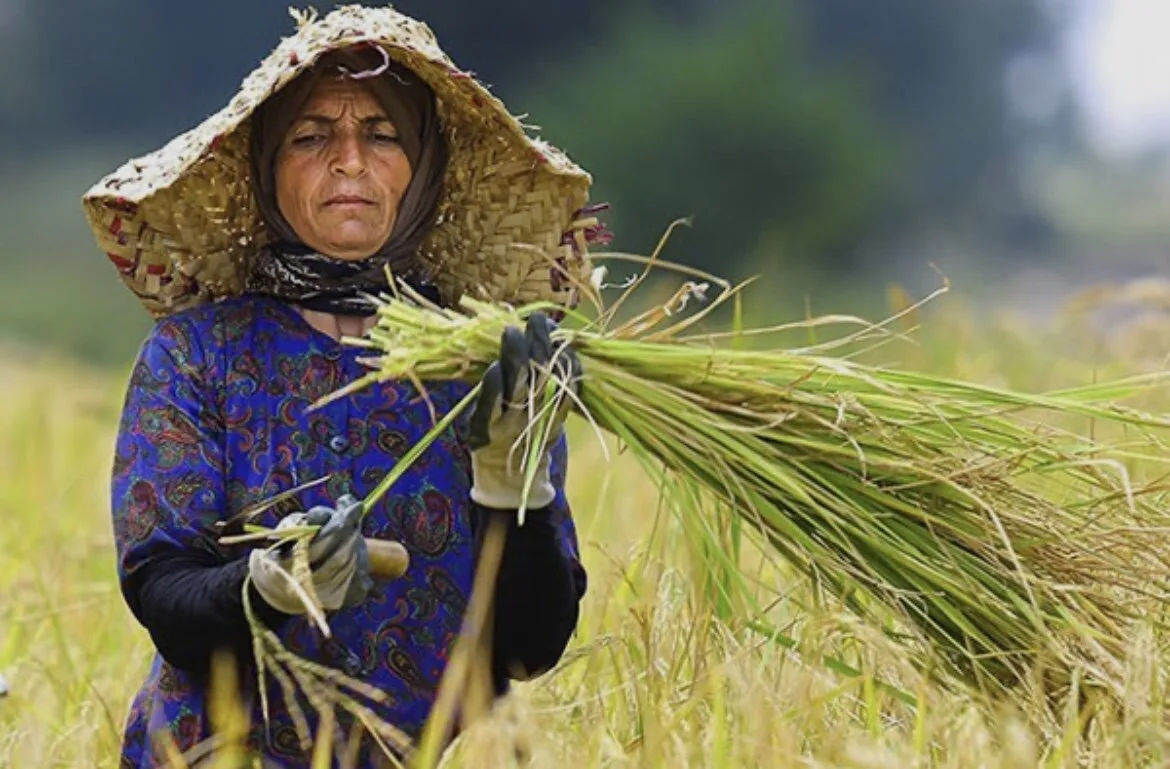
Farmer women in Iran constitute half of the agricultural workforce and play a significant role in producing 50 percent of the country's food. However, this group faces many challenges, including a lack of credit and human resources. Recently, the United Nations designated 2026 as the International Year of Farmer Women to draw more attention to this issue.
The Vital Role of Farmer Women in Sustainable Development
Maryam Tahmasbi, former director of the Rural and Nomadic Women’s Agricultural Development Office at the Ministry of Jihad Agriculture, emphasizes that farmer women around the world, especially in Iran, are not adequately recognized. This designation by the United Nations aims to draw more attention to farmer women and seeks to develop empowerment programs, provide more training, and create supportive media for these women.
Read more: Amir Javid: Equal rights for all Iranians, not power division based on ethnicity
Challenges and Opportunities
Tahmasbi points out that statistics show 68 percent of global work is done by women, yet only 10 percent of the world's assets are allocated to them. This reality highlights existing inequalities. Although farmer women play a significant role in food security, they face minimum wages in return. She also mentions the limitations of resources and facilities for providing services to these women and notes that this requires a national commitment to the development of women's agriculture.
In this regard, Iran is one of the few countries that has a specialized office to address the issues of rural and farmer women. Tahmasbi emphasizes that this structure can help non-rural and non-nomadic women benefit from existing capacities. However, achieving desirable results requires accurate and up-to-date statistics and information.
A thorough analysis of official and unofficial statistics can aid in effective planning and reducing inequalities in women's agriculture. Tahmasbi stresses the need for updating statistics at specific intervals to achieve a comprehensive and efficient planning.
Since farmer women play a crucial role in ensuring food security and protecting the environment, addressing their issues and challenges not only contributes to social justice but also has a positive impact on the country's sustainable development. In this path, creating festivals and global movements can help amplify the voices of these women and draw public attention to their issues.
Read more: The experience of pain and hope of Ali Malahi-Pak and his family in the Strait of Hormuz · Mohammad Saber Baghaani-Pour: Cutting down Chitgar trees to prevent pest spread