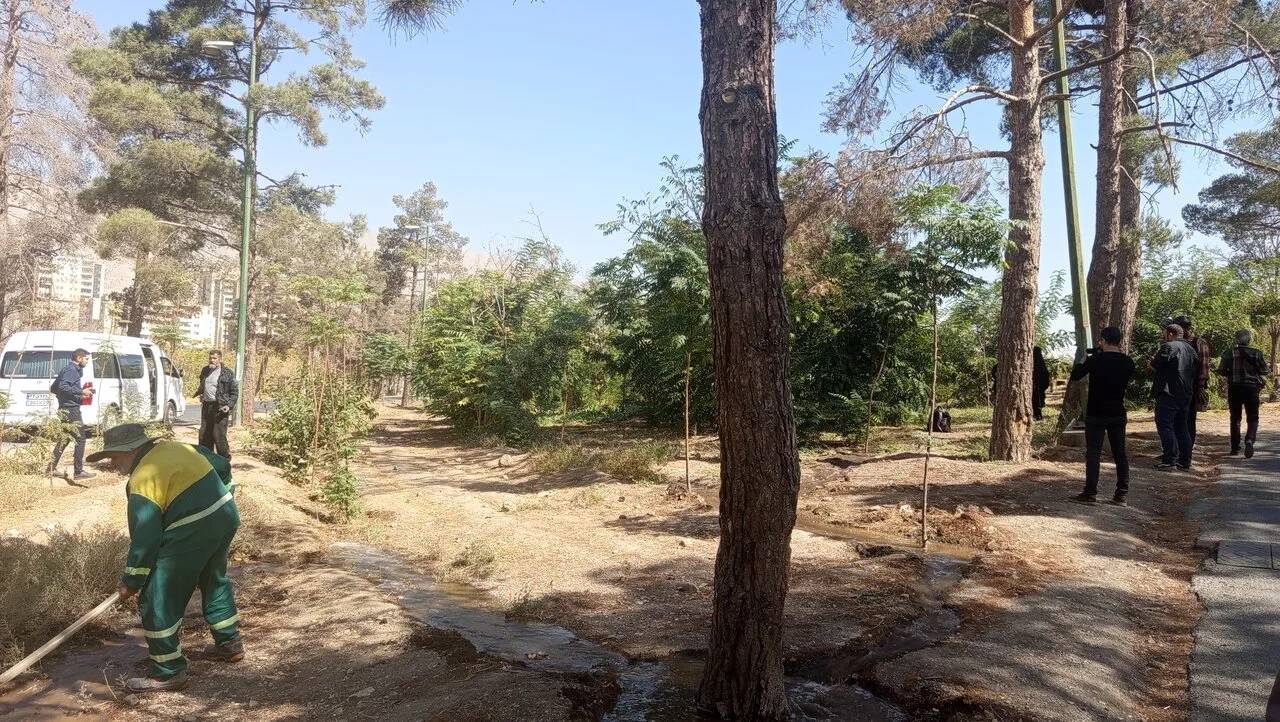
Mohammad Saber Baghkhani Pour, the Director General of Environment and Sustainable Development of Tehran Municipality, provided explanations about the reasons for cutting trees in Chitgar Forest Park in an interview. He identified factors weakening the trees, such as non-native species, reduced groundwater resources, and climate change, as the main reasons for the outbreak of the bark beetle pest in this area.
History of Forest Parks in Tehran
Baghkhani Pour referred to the history of the establishment of forest parks in Tehran and said: "About 60 years ago, city managers aimed to create a green corridor in the east and west of Tehran by planting man-made forests; a decision that was correct given the knowledge of that time, but had two fundamental flaws in execution."
He identified the first flaw as the planting of non-native species and the second as the lack of biodiversity. Baghkhani Pour continued: "The Aleppo pine species was mainly planted in various parts of Tehran's forest parks, including Chitgar, which makes them vulnerable to pests."
Necessary Actions to Preserve Healthy Trees
The Director General of Environment and Sustainable Development of Tehran Municipality, referring to the spread of the bark beetle pest in Tehran, said: "The non-native nature of the planted species and climate change reduce the trees' resistance and make them more vulnerable to pests."
Baghkhani Pour also explained that trees must grow according to environmental conditions after establishment, and these parks need water supply. He noted that part of the water required for these areas is provided from treated urban wastewater.
Regarding the difficulty of combating the bark beetle, he stated: "In the current conditions of the country, there is no effective and conventional means for pest control of this species, and removing infected trees is essential to prevent the transfer of pests to healthy trees."
Baghkhani Pour emphasized that tree cutting in these areas is not done arbitrarily, and trees are marked before cutting. Additionally, regarding the fate of the wood from infected trees, he said: "This wood is not suitable for normal use and must be disposed of or burned appropriately."
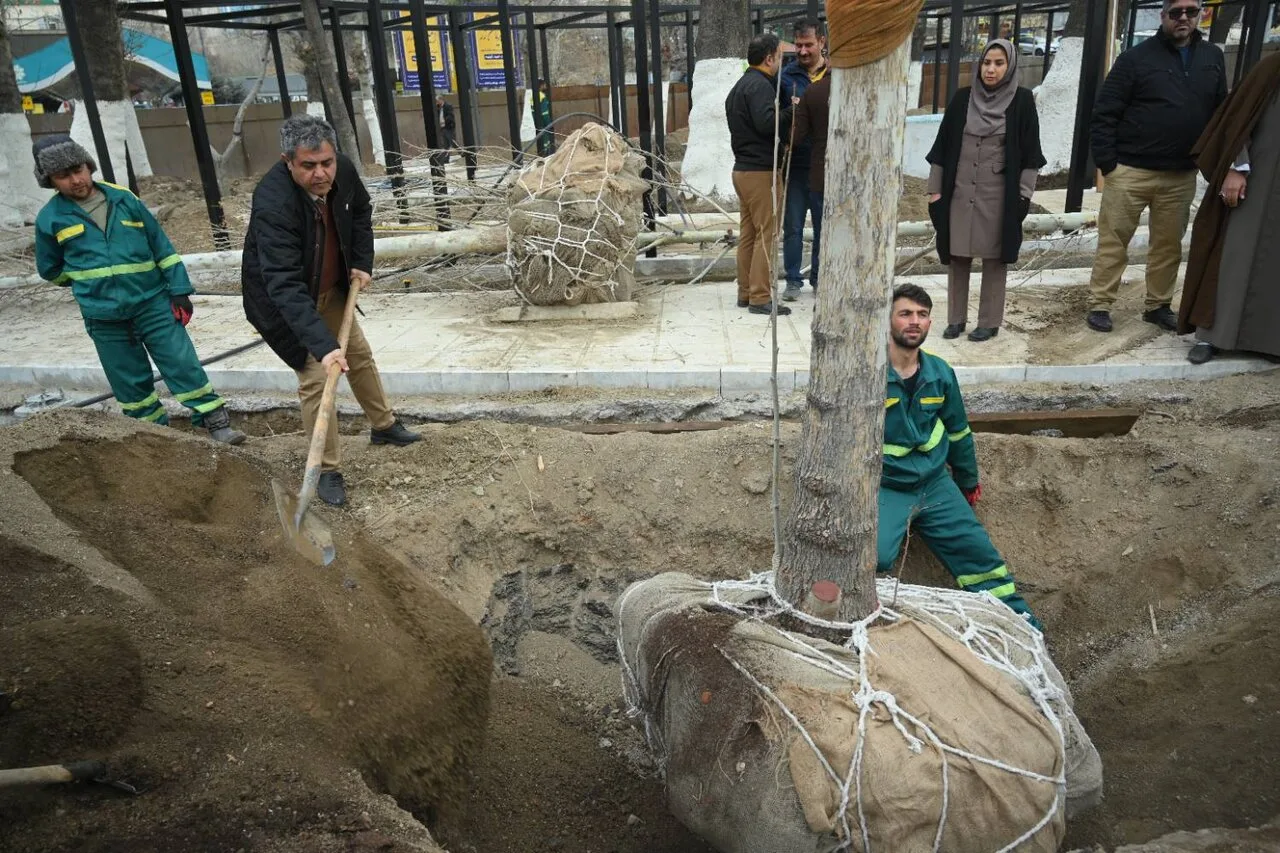
In conclusion, he announced the tree replacement program: "For every tree that is cut down, between three to ten trees will be planted, and in selecting replacement species, we strive to use species suitable for the current climatic conditions of Tehran."