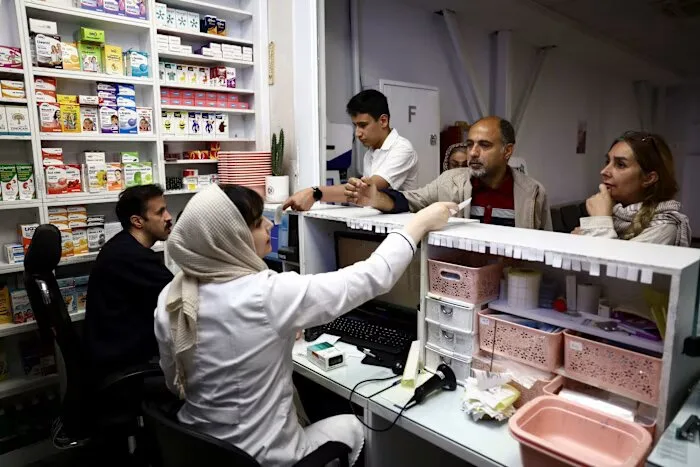
The drug shortage in Iran has turned into a serious crisis. Iranian pharmacists have clearly spoken for the first time about the consequences of the stringent U.S. sanctions against their country and are warning about the worsening drug shortages. This situation is particularly concerning for patients with chronic diseases who need specific medications.
The Impact of Economic Blockade on the Healthcare System
The economic blockade and U.S. sanctions have severely pressured Iran's ability to import medical drugs. This issue has intensified especially in recent years as the country faces multiple economic and social crises. Iranian pharmacists have announced that many drugs have significantly decreased due to the inability to import them and are not available to patients.
Read more: Tehran Municipality's Support Package for Infertile Couples
This situation occurs while Iran is also facing challenges such as a shortage of raw materials for drug production. This shortage has led to price increases and consequently more pressure on patients and their families. Many families are now forced to pay exorbitant costs for essential medications or turn to the black market.
The Future of People's Health in Iran is Uncertain
The drug crisis not only harms the physical health of people but can also have profound psychological and social effects. Patients with chronic diseases, such as diabetes and heart diseases, are particularly vulnerable to this situation. The lack of vital medications can lead to irreparable complications and jeopardize these patients' hopes for life.
Moreover, doctors and healthcare professionals are warning about the consequences of this crisis. Reduced access to medications could lead to increased mortality and decreased quality of life in society. Therefore, there is a pressing need for immediate and effective solutions to address this crisis.
In these circumstances, many experts believe that diplomacy and efforts to reduce tensions could help improve the situation of drugs and treatment in Iran. However, as long as sanctions continue, access to drugs and treatment will remain problematic, and patients will continue to be at risk.
Read more: Iran National Cancer Research Institute Ranks Second Among Clinical Research Centers · China Maintains Relations by Opposing U.S. Economic Sanctions Against Iran