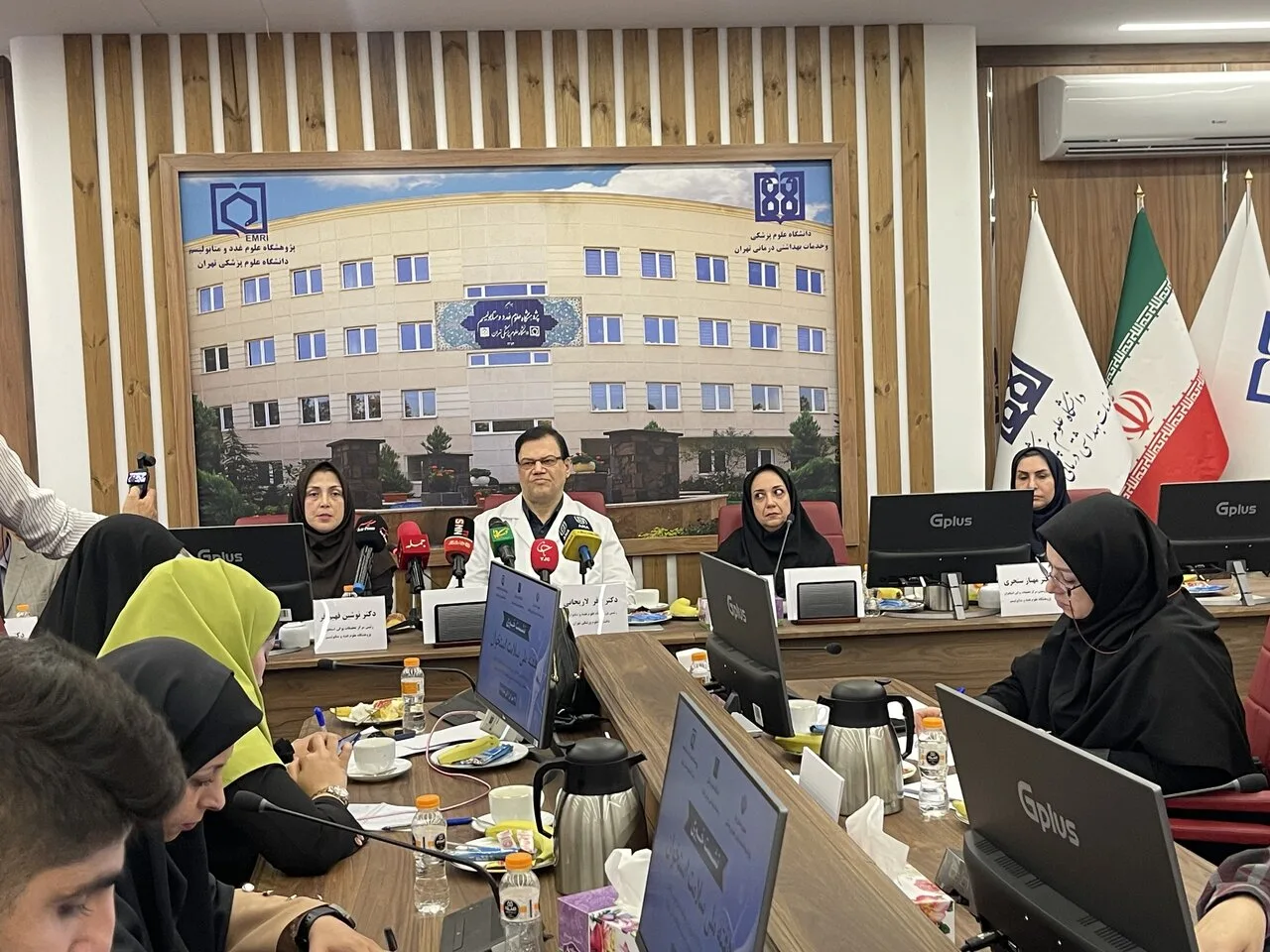
Dr. Bagher Larijani, head of the Research Institute of Endocrine Sciences and Metabolism, referred to the harsh realities of osteoporosis in Iran at a press conference for National Bone Health Week. This disease, which progresses slowly and without symptoms, poses a serious threat, especially for the elderly. Statistics show that approximately 400 cases of bone fractures are reported daily in the country, which is a significant figure.
High Prevalence of Osteoporosis and Low Awareness
Dr. Larijani emphasized that about 80% of those with osteoporosis are unaware of their condition. This means that out of every 10 affected individuals, 8 do not know they have this disease. One of the serious problems in this regard is the lack of awareness and failure to seek treatment. Studies show that only about 80 individuals out of every thousand with osteoporosis begin treatment.
Read more: Dr. Amir Ali Hamidieh, Iranian Doctor Wins World Health Organization Award
He added: "With increasing age, the prevalence of osteoporosis increases in individuals, and this issue is particularly concerning in elderly women. In the age group over 65, 62% of women are affected by this disease."
Social and Economic Consequences of Fractures
Fractures resulting from osteoporosis not only harm individual health but also impose a significant economic and social burden on families and society. Dr. Larijani stated: "The economic burden resulting from osteoporosis and related fractures is very important. An individual who suffers a fracture may become disabled or homebound for a long time, significantly increasing treatment and living costs."
According to him, hip fractures are one of the most serious complications of osteoporosis that can have serious consequences for patients. Larijani noted: "About 20% of patients with hip fractures die in the hospital, and a significant percentage of those who survive lose their independence."
Given these statistics, the necessity for education and information dissemination regarding the prevention and control of osteoporosis is increasingly felt. Dr. Larijani announced the implementation of joint programs with the Ministry of Health to monitor the status of patients after fractures and said: "We are collaborating with the Ministry of Health to create a mechanism in hospitals to identify and follow up on patients after fractures."
In general, the existing challenges in identifying and treating osteoporosis in Iran require immediate attention and action. Increasing public awareness, creating preventive programs, and strengthening healthcare infrastructure can help reduce the prevalence of this disease and its consequences.
Read more: Adult Obesity: Health Challenges and the Importance of Weight Management · Seyed Javad Hosseini Announced the Launch of 400 Centers for Kindness and Dialogue for the Elderly