Seyed Javad Hosseini, the head of the Welfare Organization of the country, announced the planning for the establishment of 400 'Affection and Dialogue' centers during the commemoration of International Day of the Deaf and the Elderly. These centers are established to address the issue of loneliness among the elderly and are hoped to improve the quality of life for these individuals.
Increasing psychological problems among the elderly
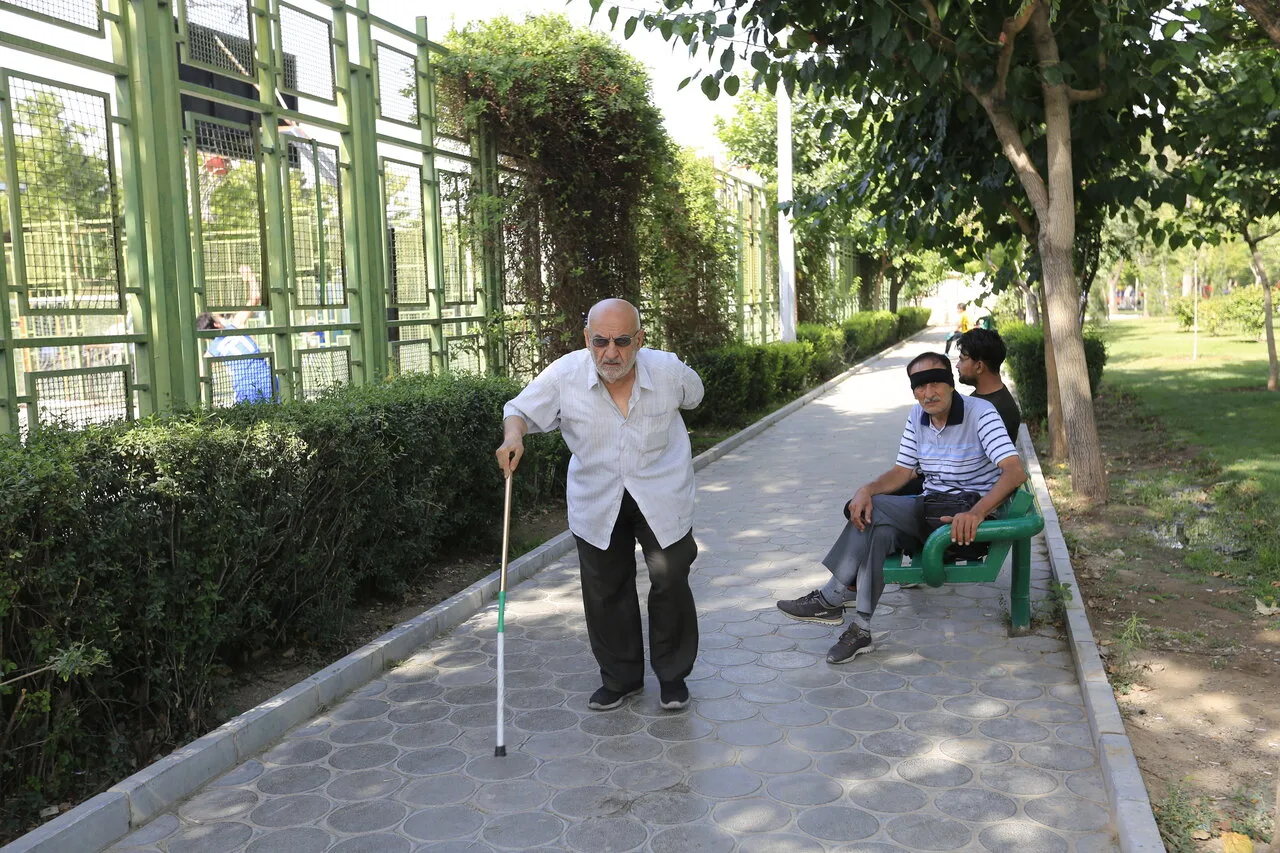
During this ceremony, Hosseini referred to alarming statistics regarding the psychological problems of the elderly, stating: "The biggest problem for the elderly at the moment is the feeling of loneliness and related issues." He added that these centers are formed to create a space for dialogue and social interactions so that the elderly can connect with each other and thus feel less of their problems.
Positive impacts of 'Affection and Dialogue' centers
According to the provided statistics, 70,000 elderly individuals in the country have undergone eye screening, and more than 20,000 have received free glasses. These actions demonstrate special attention to the needs of the elderly, and the establishment of 'Affection and Dialogue' centers can also be another step in supporting this group.
Hosseini also emphasized that these centers will not only help reduce the loneliness of the elderly but can also lead to improvements in their mental and social health. In fact, this initiative reflects attention to the emotional and social needs of the elderly, who are considered one of the vulnerable groups in society.
These centers will provide the elderly with the opportunity to spend their time in a friendly and calm environment and benefit from each other's experiences. With this initiative, it is hoped that the elderly will feel a greater sense of belonging and security and cope better with their psychological issues.
Moreover, the establishment of 'Affection and Dialogue' centers demonstrates the firm determination of the Welfare Organization of the country to support the elderly and address their special needs. These centers can also serve as a base for planning and implementing social, cultural, and educational activities for the elderly.
Ultimately, it is hoped that with the establishment of these centers, not only will the problem of loneliness among the elderly be reduced, but it will also significantly contribute to improving their quality of life. Given the growing elderly population in the country, this initiative can have positive and lasting impacts on society.