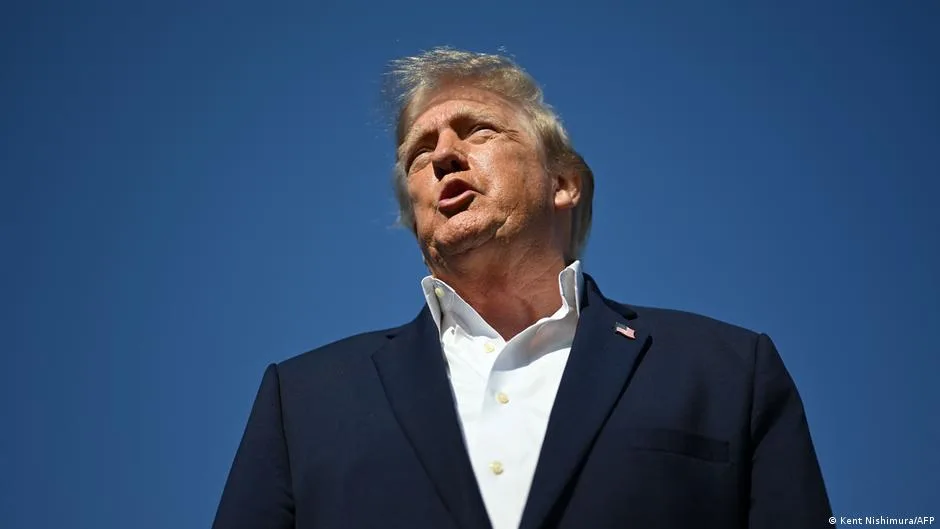
Donald Trump, the President of the United States, during the midterm elections in the country, stated in an interview with the Financial Times that the United States "does not have an immediate plan to attack Iran." This comment comes amid rising concerns about the possibility of renewed war between Iran and the U.S. following the recent elections.
The Current State of Confrontation with Iran
In this interview, Trump clearly stated that he is "satisfied" with the current state of confrontation with the Islamic Republic. He also emphasized that he is "prepared for war if necessary." His remarks come at a time when tensions between the two countries, particularly in economic and military areas, continue.
Read more: Andrei Belousov's meeting with a senior military official in China in Beijing
In this six-minute interview, Trump referred to the possibility of an attack on Iran and said: "I am ready, we are ready. If we need to take action, we are fully prepared, but there may not be a reason to do so." These statements reflect a balance between military readiness and a desire to avoid conflict.
The Economic Consequences of War and Polls
The war with Iran and the energy crisis have been key topics in the midterm election campaigns. According to a poll published by the Associated Press, about 6 out of 10 voters believe that the United States has made a "wrong decision" in taking military action against Iran. This statistic indicates a public inclination to prevent new military conflicts and shows that economic and social issues are a higher priority for voters.
Additionally, recent Pentagon estimates indicate that the costs of war with Iran have risen to over $47.1 billion. These figures, alongside public concerns, could significantly impact the future policies of the United States government.
Trump also claimed in this interview that fuel prices will have a "downward trend" after the midterm elections and that the volume of oil passing through the Strait of Hormuz has increased. These statements clearly indicate the government's efforts to manage the economic repercussions of international tensions.
Ultimately, the recent developments and Trump's statements clearly indicate that while the United States seeks to maintain its military and economic power, it is trying to avoid large-scale and costly conflicts. This approach could have profound effects on the future relations between Iran and the U.S. as well as on the global situation.
Read more: Public opinion in the Arab world supports Iran's positions against the U.S. and Israel · Seyyed Abbas Araghchi: We will continue talks with Saudi Arabia