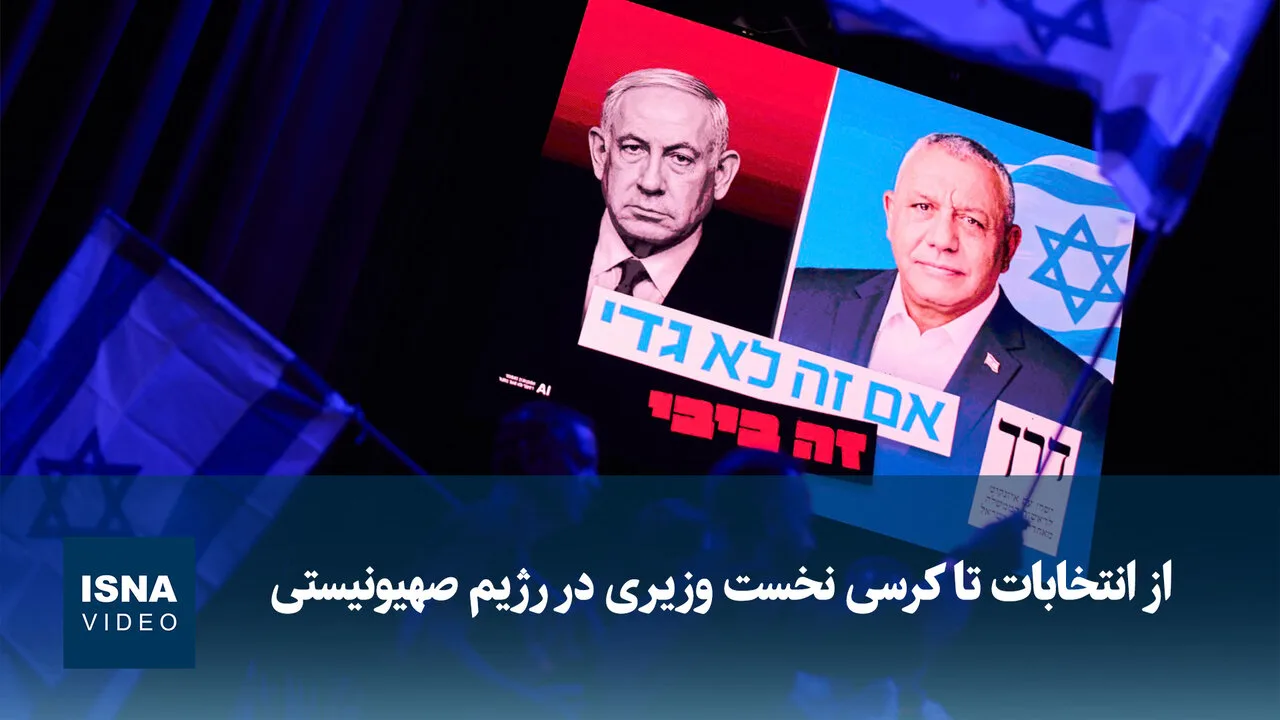
Elections in the Zionist regime are recognized as a complex and challenging process. Especially in recent periods, this process has been severely confronted with ups and downs that not only affect the election results but also cast a shadow over government formation.
Challenges of Elections and Parliamentary Seats
In every election cycle, the most important goal of parties and candidates is to achieve the maximum number of seats in parliament. However, in the Zionist regime, this goal is not easily attainable. Deep divisions within political parties, diverse and sometimes contradictory agendas, and disagreements over priorities are all factors that hinder the formation of a stable government.
Read more: Deployment of Iraqi Army Security Measures at the Borders of Iran and Kuwait
Coalition Formation and Political Obstacles
After the elections, the stage of coalition formation begins, which itself becomes a major challenge. Each party seeks to have maximum influence in the next government, leading to tensions and internal disputes. Some parties refuse to form coalitions with others due to short-term political interests, which significantly reduces the possibility of forming a stable and efficient government.
Moreover, social and economic crises also impact the government formation process. Public dissatisfaction, street protests, and economic pressures all influence political decision-making and may lead to increased uncertainty among parties.
As a result, it seems that the path from elections to government formation in the occupied territories is not only not smooth but also faces serious obstacles. Although each election presents an opportunity for change and innovation in the country's political structure, in practice, existing realities may unfold differently.
Read more: Democrats Gain Control of the Senate with 51 Seats · U.S. Supreme Court Rejects Trump's Request to Nullify 20,000 Votes in California