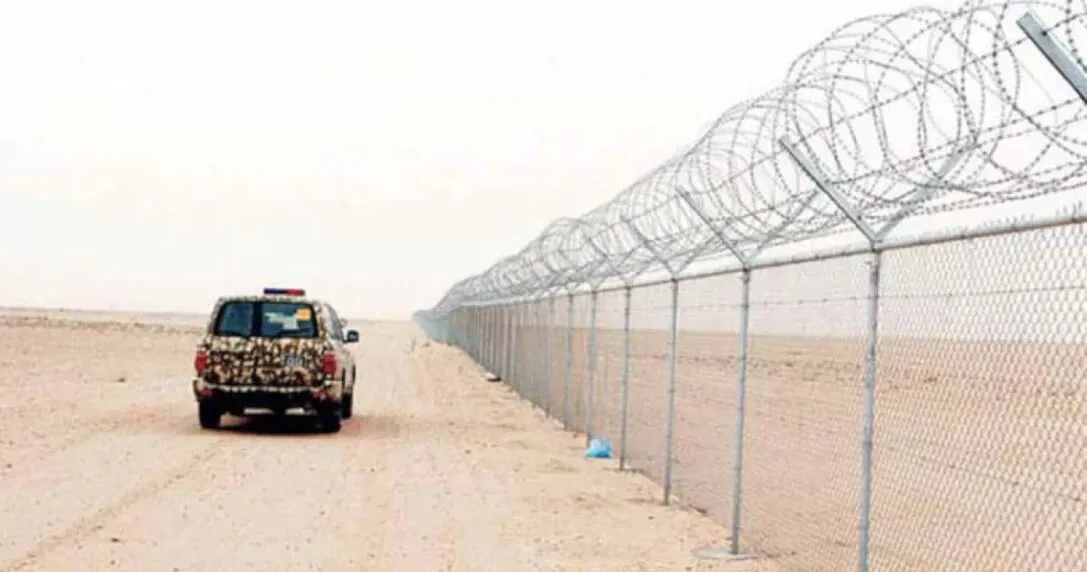
The Iraqi army has recently implemented new security measures along its borders with Iran and Kuwait. This decision was made in response to increasing tensions in the region and security concerns arising from recent developments. These measures include the deployment of additional forces and modern equipment at key border points, which appear aimed at maintaining security and preventing any potential threats.
History of Tensions in the Region
The Middle East has always faced numerous security challenges. For years, the borders of Iraq with neighboring countries, especially Iran and Kuwait, have been under increased surveillance and control due to political and military developments. This region has historically and politically been a focal point, and the deployment of military forces at these borders is intended to prevent the infiltration of armed groups and to establish security within the country.
Read more: U.S. Attacks on Qeshm and Donald Trump's Contradictory Messages
Dimensions and Consequences of the New Measures
The deployment of new security measures at the borders of Iraq with Iran and Kuwait could have significant consequences. On one hand, this action may help maintain internal security in Iraq, while on the other hand, it could escalate tensions at the regional level. Especially since any change in the security situation could impact the diplomatic and economic relations of the countries involved.
In this context, experts believe that the Iraqi army must manage these measures carefully and intelligently to prevent further tensions. Coordination with other countries and regional institutions could also help strengthen these measures and reduce potential misunderstandings.
Moreover, an increased military presence at the borders requires financial and human resources, which may put additional pressure on the Iraqi government. Therefore, these measures should be taken with consideration of the country's economic and social situation to maintain security while preventing new problems from arising.
Read more: Arab World Public Opinion Supports Iran's Position Against the U.S. and Israel · Gharibabadi: If Iran's Requirements are Met, a Diplomatic Agreement Can Be Reached