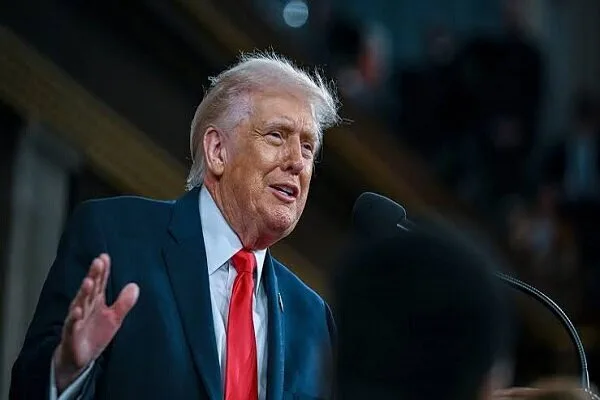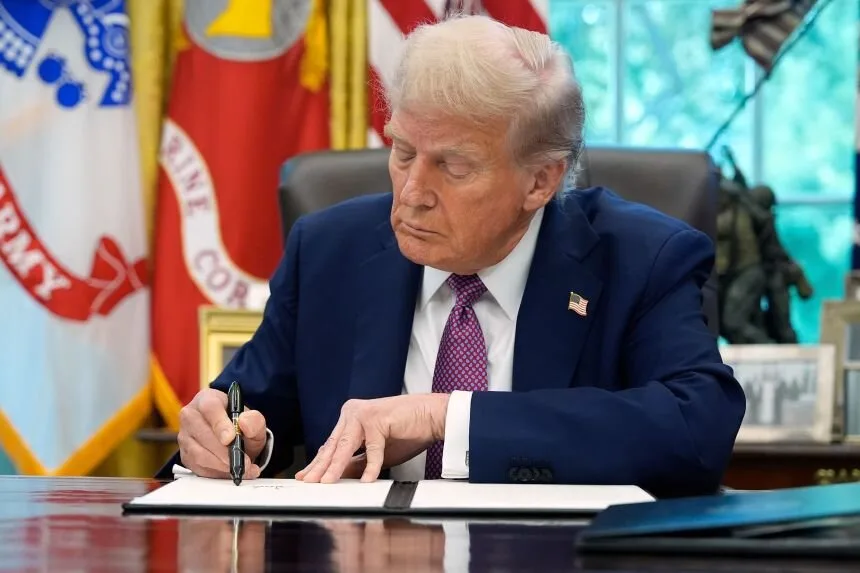
Donald Trump, the President of the United States, referred to Section 303 of the Cold War-era Defense Production Act, introducing domestic oil production and refining as a vital necessity for the national defense of the United States. This decision allows the government to free up federal funds for fossil fuel-related projects, thereby ensuring the capacity for domestic oil production, refining, and logistics for the country's defense readiness.
Importance of Oil Production for National Security
Trump stated in a declaration that "domestic oil production, refining, and related activities" are vital for the defense readiness of the United States. Given global tensions and energy crises, this decision was made to ensure the country's energy security and the ability to respond to national needs. The President believes that increasing domestic oil production can help reduce dependence on foreign sources and strengthen national security.
Economic and Environmental Consequences
Trump's action to increase oil production could have significant economic and environmental consequences. On one hand, this decision could lead to job growth in the energy sector and lower fuel prices. However, on the other hand, concerns regarding climate change and the negative effects of oil extraction and refining on the environment remain prevalent.
Critics believe that focusing on fossil fuels and increasing oil production could undermine efforts to reduce greenhouse gas emissions and transition to renewable energy. Meanwhile, many countries are moving towards developing clean and sustainable energy resources.
Nevertheless, Trump and his supporters believe that under current circumstances, the priority should be to meet the immediate needs of the country and then seek more sustainable solutions for the future. This decision may benefit the U.S. economy in the short term, but it carries an uncertain future for the country's energy policies.
Read more: Mohammad Noori Announced Automatic Adjustments for War Damages and Tax Installments in 1404 · Trump Administration Suspends Russian Sanctions with New Exemptions