The car market on October 21, 2026, faced mixed changes in prices. While political tensions and speculations about the possibility of renewed military conflict between Tehran and Washington have increased uncertainty in the economic environment, car prices have also been affected by these factors. In this context, the supply and demand situation and the willingness of owners to sell directly influence prices.
Price Trends of Cars in the Domestic Market
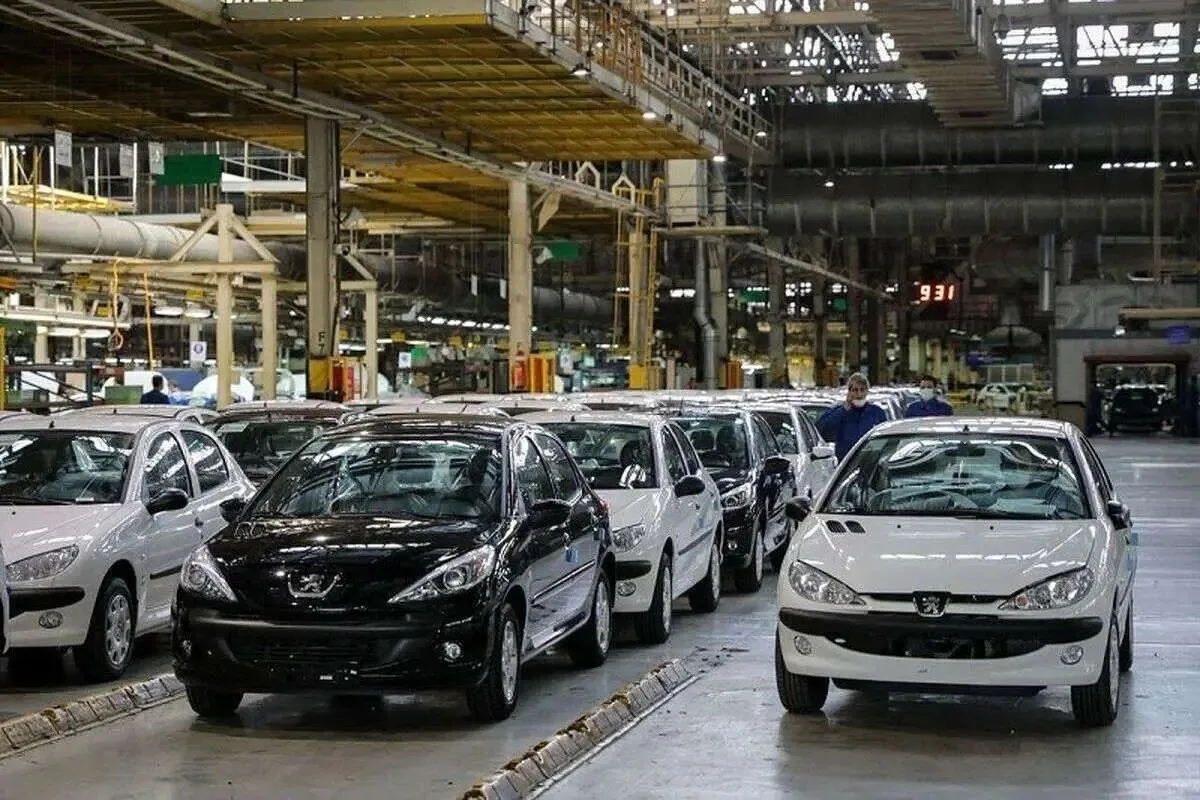
In the domestic market, the price of the automatic Peugeot 207 has decreased by 2 million tomans, reaching 3 billion and 768 million tomans. In contrast, the Sorena Plus dual-fuel with a large capsule increased by 12 million tomans to 2 billion and 805 million tomans. These price fluctuations indicate that price changes in the car market are not uniform, and different models are affected differently.
Read more: Construction of a 530-ton tank at Isfahan Refinery and new plans for community welfare
Additionally, the price of the Dena Plus 6-speed has increased by 1 million tomans, reaching 2 billion and 958 million tomans. These changes indicate a recessionary atmosphere in the market, where despite price fluctuations, significant activity in transactions is still not observed.
Developments in the Assembly Car Market
The assembly car market also witnessed further price increases today. The price of the Haima 8S increased by 130 million tomans, reaching 7 billion and 500 million tomans. Furthermore, the price of the Tiggo 9 rose by 300 million tomans to 12 billion and 300 million tomans. The Fadility Prestige seven-seater is also sold at a price of 9 billion tomans after a growth of 170 million tomans.
Among Saipa products, the price of the new Quick S increased by 1 million tomans today, reaching 1 billion and 650 million tomans, while the Saina S decreased by 3 million tomans compared to yesterday, reaching 1 billion and 708 million tomans. These price discrepancies in the car market indicate a lack of uniformity in market performance, and it seems that price fluctuations among different models vary significantly.
Ultimately, despite daily price fluctuations in cars, these changes cannot yet be seen as a sign of the market exiting recession. As long as there is no significant increase in the volume of buying and selling, the current market situation remains concerning. Therefore, market participants should proceed with greater caution in buying and selling cars.
Read more: Decrease in the price of the Iraqi dinar in Tehran's currency market · Decrease in car prices in the Iranian market with declining dollar signals