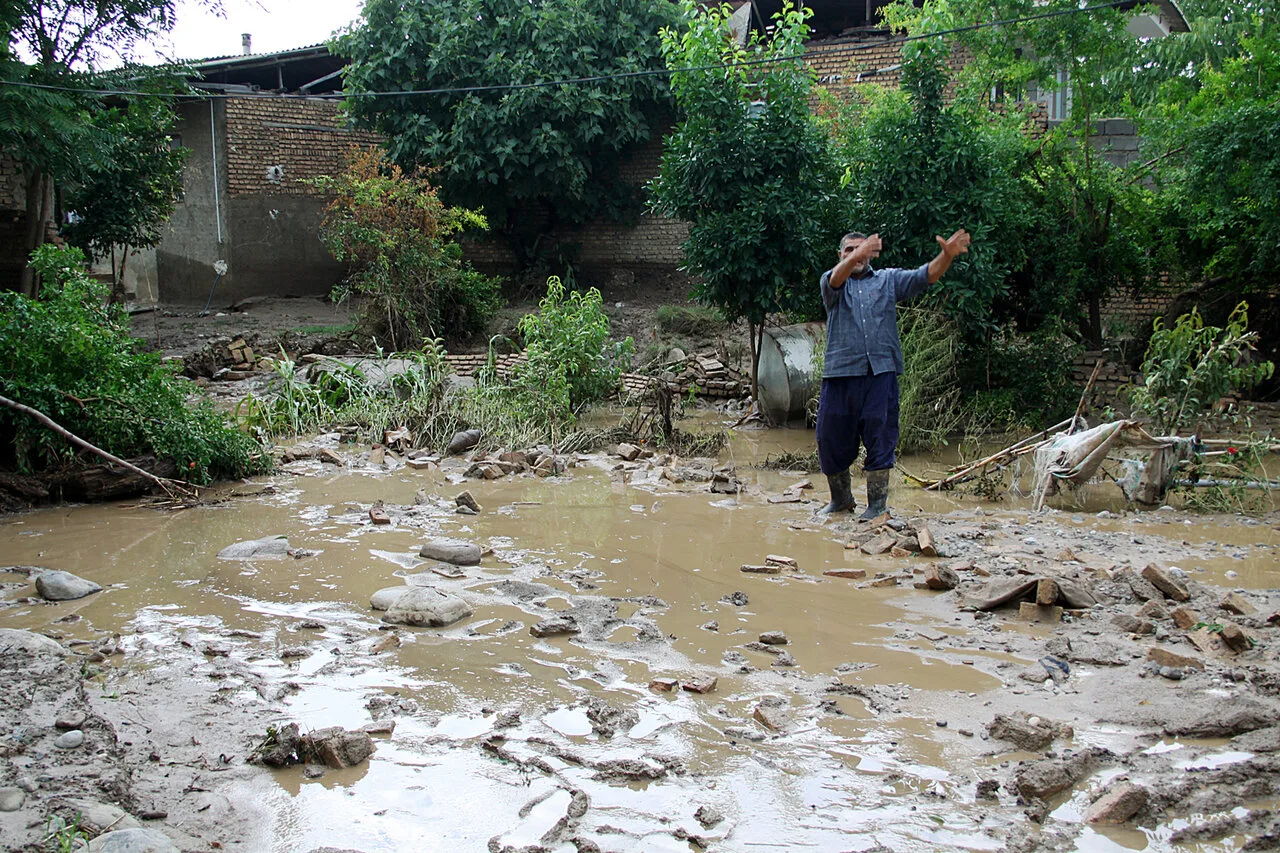
Crisis management in Iran faces multiple challenges, and the autumn rains of Mehr, which claimed 7 lives and caused significant damage to infrastructure, remind us once again of the necessity of preparedness against natural hazards. These events occur while forecasts indicate a strengthening of the El Niño phenomenon and a potential change in rainfall patterns, raising an important question: Why, despite weather warnings, do floods still lead to fatalities and extensive damage?
Natural and Social Challenges in Iran
Due to its geographical position and climatic diversity, Iran is not only exposed to the consequences of El Niño and flooding but also faces threats such as earthquakes, drought, land subsidence, and landslides. In these circumstances, the occurrence of a natural hazard does not necessarily lead to disaster. The extent of casualties and damages depends on the quality of preventive measures, adherence to construction regulations, and the preparedness of responsible agencies. Nevertheless, by identifying risks and implementing timely actions, it is possible to prevent these from turning into humanitarian crises.
Read more: Iran's Minister of Interior: Pursuing Security Issues and Border Crossings During Visit to Baku
The Necessity of Education and Awareness in Crisis Management
Hamidreza Khanke, director of the Health Research Center in Disasters, emphasizes the necessity of scientifically managing risks. He believes that to confront these challenges, there is a need for public participation, raising awareness among families, and continuous education from schools to higher levels. Rainfall can create hope for improving dam conditions and ending drought, but for families whose homes are in the path of floods, that same rain can pose a serious threat. This dual reality raises the necessity for preparedness against heavy rainfall.
Fatemeh Flahati, a faculty member and director of the Research Group on Water and Meteorological Hazards at the Natural Disasters Research Institute, points out that the risk of flooding does not solely depend on the amount of rain. She states: "People need to understand that even if the rain is not heavy in their area, there is still a risk of flooding. Water can flow from heights to lower areas." This awareness can save lives and help reduce damages.
Necessary Actions to Prevent Damages
Considering the forecasts from the National Meteorological Organization regarding the likelihood of above-normal rainfall in autumn, the question is whether the responsible agencies are prepared to prevent potential damages. Flahati emphasizes that preparedness cannot be achieved merely by declaring readiness or holding crisis management meetings. Preventive actions must be carried out in the field, and there should be a precise evaluation of their outcomes.
Flood management in Iran requires a comprehensive approach that includes identifying high-risk areas, clearing the mouths of bridges and waterways, and determining safe evacuation routes. It must also ensure that meteorological information is linked to the status of rivers and vulnerable infrastructure. Ultimately, the performance of responsible agencies should be evaluated based on indicators such as the rate of mortality and economic damages resulting from incidents. These evaluations can indicate whether warnings were issued in a timely manner and whether necessary actions were taken to reduce damages.
Read more: Brigadier General Seyyed Majid Ibn al-Reza: Iranian Civilization Cannot Be Humiliated · A New Wave of Rain Will Affect 23 Provinces and Tehran Will Be Rainy