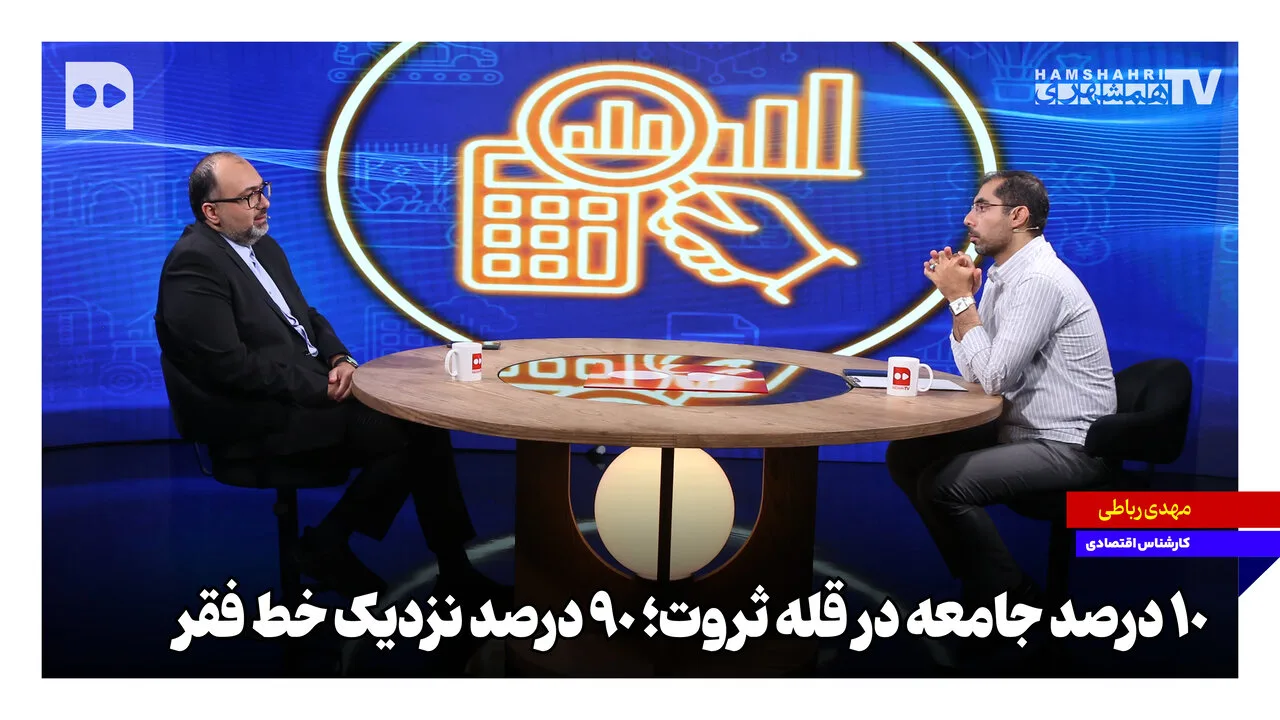
The class divide in Iran has become a bitter reality that reflects the deep inequality in the distribution of wealth and economic resources. According to published statistics, only 10 percent of the population is at the peak of wealth, while the remaining 90 percent live close to the poverty line due to harsh economic conditions.
Economic Consequences of Class Divide
This inequality not only affects the daily lives of people but also impacts their purchasing power and financial markets. As the class gap widens, the purchasing power of low-income groups decreases, which in turn affects the demand and supply of goods and services in the market. In such conditions, economic enterprises also face challenges that could lead to economic recession.
Read more: Kambiz Mirkarimi pointed to the threats of Iran's land blockade
Social Challenges and Solutions
In addition to economic consequences, the class divide can also lead to increased social tensions and public dissatisfaction. While 10 percent of the population is exploiting resources and facilities, the other 90 percent struggle with livelihood issues. This situation may lead to social discontent and even street protests. To reduce this gap, it is necessary for the government and relevant institutions to think of solutions for the fair distribution of wealth and resources. These solutions could include creating sustainable jobs, increasing the minimum wage, and supporting low-income groups.
Ultimately, the class divide is not only an economic challenge but also a social challenge that requires serious attention and effective actions from the government and society. Undoubtedly, improving the economic and social conditions for 90 percent of the population will only be possible if there is sufficient political will and social cohesion to reduce these inequalities.
Read more: Manouchehr Khajehdeloui: A 200 million housing loan will be granted to the underprivileged · Davood Ghodrzi and the 'Zero Inflation' plan to reduce living costs in Tehran