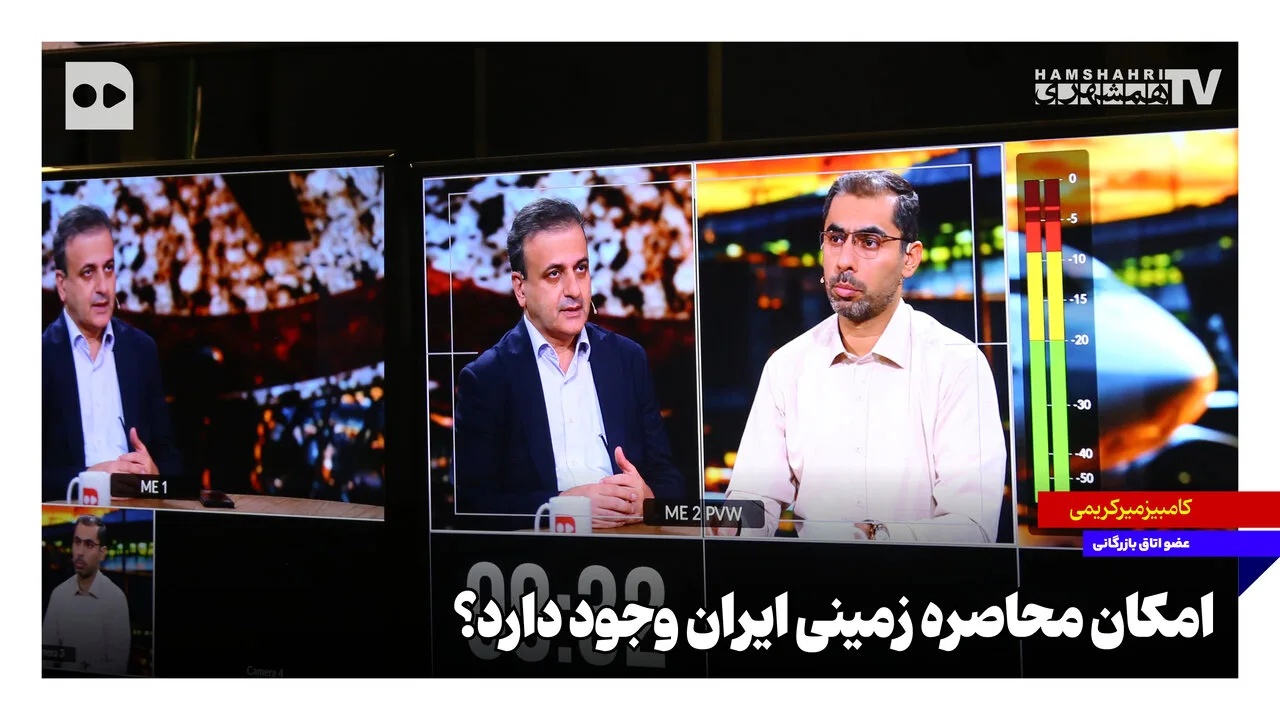
Kambiz Mirkarimi, a member of the Chamber of Commerce, referred to the threats of Iran's land blockade and the resulting trade pressures in an interview, emphasizing the need to change the country's economic policies. He stated that in such conditions, adopting appropriate and intelligent measures to preserve the economy and the livelihoods of the people is essential.
Analysis of the Current Economic Situation in Iran
In recent years, Iran has faced multiple economic challenges. International sanctions, declining oil revenues, and external pressures have placed the country in a sensitive situation. In these circumstances, any new threat could have irreparable consequences for the economy and the livelihoods of the people. Mirkarimi stated that the government needs to design new policies to strengthen economic infrastructure and protect national interests.
Read more: Increase of 500,000 Tomans in the value of the commodity voucher by Fatemeh Mohajerani
Changing the Approach to Currency Allocation
Mirkarimi emphasized the importance of avoiding currency allocation for goods without comparative advantage and said: "This action will not only improve the economic situation but can also reduce the severity of crises and help domestic producers. In the current situation, priority should be given to goods that can compete with foreign products. This change in approach can help boost domestic production and reduce dependence on imports."
He also added that instead of relying on imports, we should strive for self-sufficiency by supporting domestic industries. This process allows us to be more resilient against external pressures and prevent economic blockades.
Social and Economic Impacts
The impacts of the land blockade on the daily lives of people and businesses are undeniable. Although these threats may directly affect exports and imports, they ultimately also impact the daily lives of people and their purchasing power. Therefore, adopting intelligent economic policies can help mitigate these negative effects.
In conclusion, Mirkarimi emphasized that to confront these threats, there is a need for comprehensive effort and cooperation from the government, the private sector, and the people. Only in this way can we become more resilient against the challenges ahead and build a better future for the country and future generations.
Read more: Warning from the British Financial Studies Institute about the budget crisis caused by the Iran war · Abdul Wahid Fayyazi: The relationship between university and industry needs reform