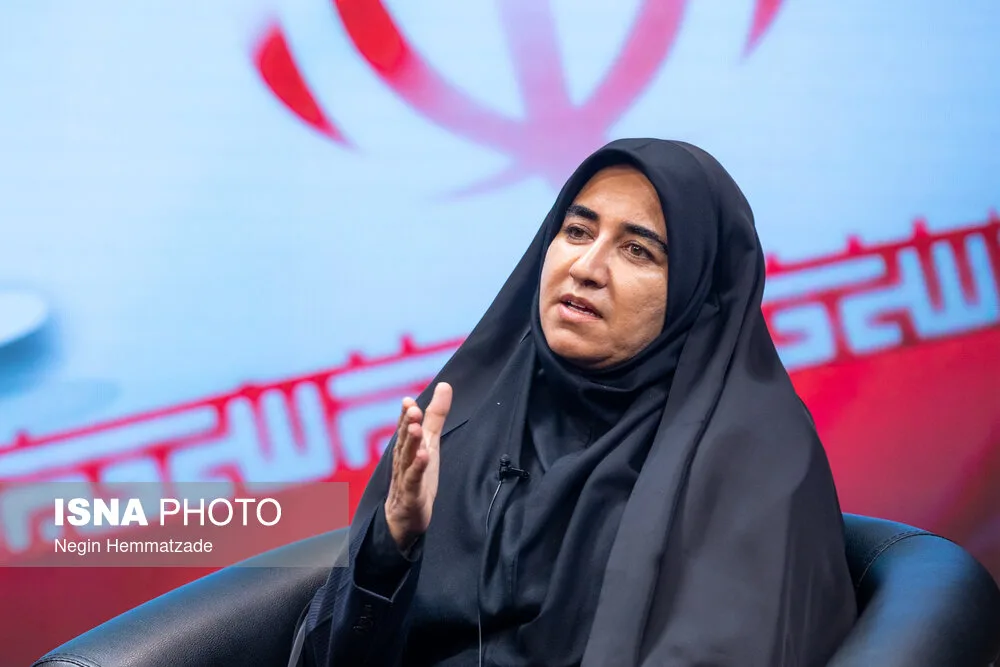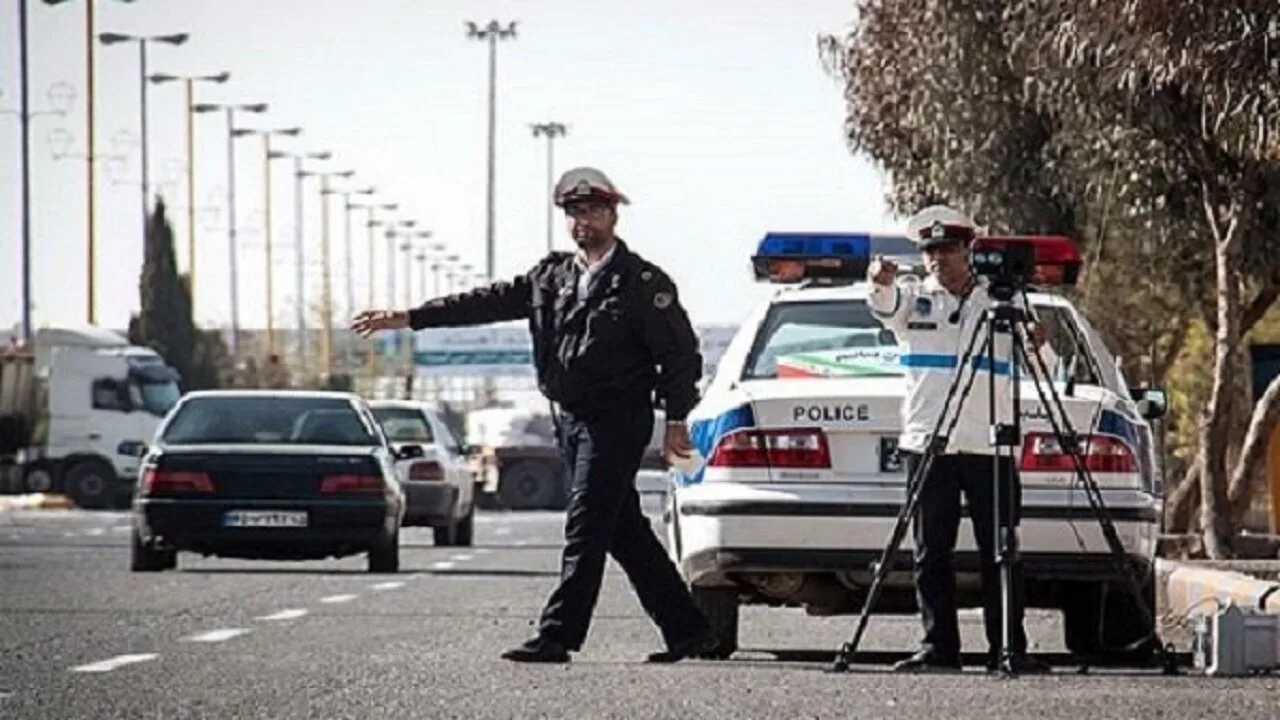
Brigadier General Mohammad Baqer Salimi, Deputy Operations of the Traffic Police of the country, elaborated on the importance of vehicle technical inspections in a television program and announced new penalties for polluting and defective vehicles. He emphasized that this action is essential for protecting public health and reducing air pollution.
Worrying Statistics of Old Vehicles
According to Brigadier Salimi, currently, more than 29 million vehicles and 14 million motorcycles are in operation in the country. He pointed out the negative impacts of this number of vehicles on community health, stating that in the second half of the year, especially with the cooling of the weather and inversion phenomena, the share of vehicles in the emission of pollutants and suspended particles becomes increasingly significant.
Read more: Tehran Metro Development; Reza Mohammadnejad Bidakht visited new projects
The Deputy Operations of the Traffic Police referred to the statistics of dealing with violations related to safety and technical inspections and said: "In the first 7 months of this year, our colleagues have enforced the law on over 3 million and 107 thousand vehicles due to violations related to safety and health in the country." Additionally, since the beginning of October, 8,430 polluting vehicles, including motorcycles and light and heavy vehicles, have been monitored in metropolitan areas.
New Penalty: License Revocation
Brigadier Salimi explained that in collaboration with the Ministry of Interior and the Technical Inspection Union, vehicles that have been stopped due to pollution or technical defects will enter the license revocation process. Owners of these vehicles must rectify the existing defects to receive a technical inspection again. He added: "Technical inspection is not limited to the vehicle being polluting; the health and safety of the vehicle in various aspects are also examined at technical inspection centers."
This police official also referred to the share of technical defects in accidents and said: "About 1.2% of accidents are related to technical defects, but defects such as braking and steering systems can impact safety and the severity of injuries after an accident." He emphasized that the condition of the aging fleet is also worrying; over 90% of motorcycles are at the end of their lifespan, and about 27% of vehicles are also outdated.
Brigadier Salimi regarding the renewal of the fleet said: "In the Clean Air Law, responsibilities for fleet renewal have been assigned to organizations such as the Ministry of Industry, Ministry of Interior, and municipalities, but in practice, no serious action has been taken for timely renewal and scrapping of vehicles." He also pointed to the existing problems in enforcing the ban on the circulation of carbureted motorcycles in metropolitan areas and stressed the need to remove existing obstacles.
He concluded by stating that the role of vehicles in pollution is undeniable, and actions must be taken to enhance safety and reduce air pollution.
Read more: The first autumn snow has begun in Iran · Rain and moderate traffic on northern routes to Tehran