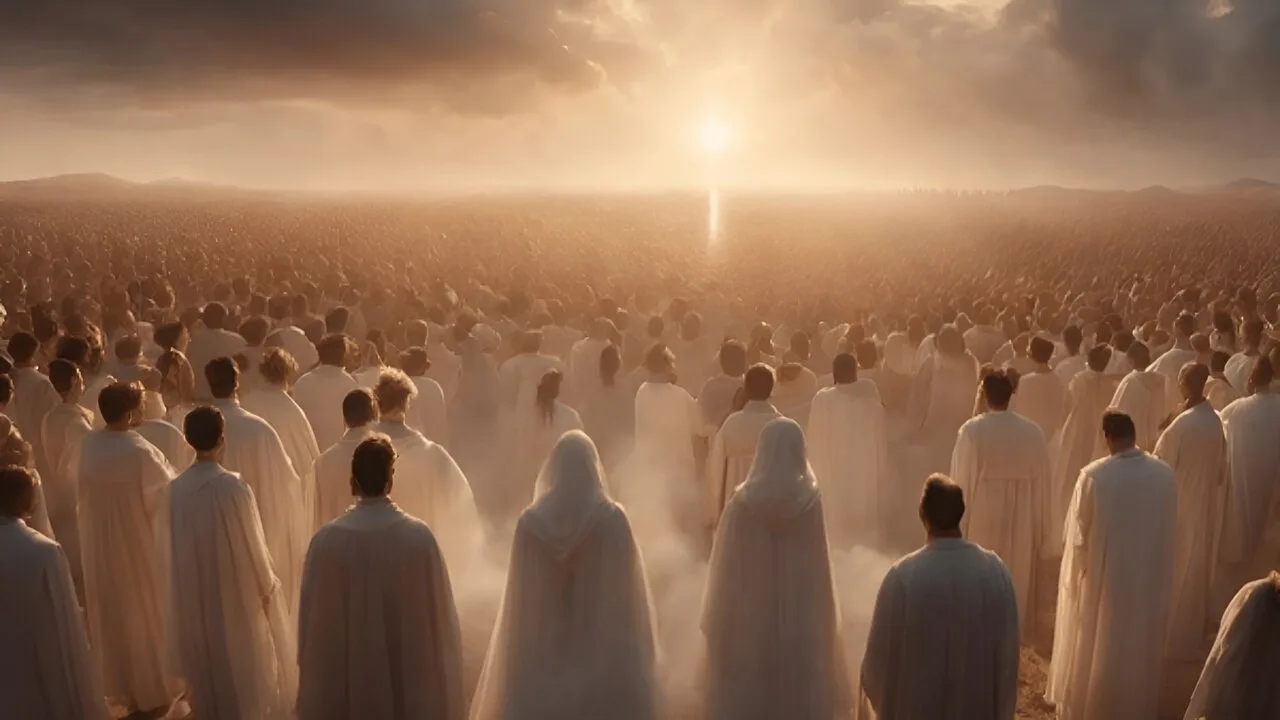
Allameh Tabatabai examines the fate of humans after death in his interpretation of Surah "Naba". The surah begins with key questions: "About what are they asking one another, about the momentous news?" which invites humans to reflect on the truth of the Resurrection and the Day of Reckoning. This surah introduces a great news that transcends human worldly life and emphasizes a truth that is difficult for many to deny.
Allameh Tabatabai's Analysis of the Resurrection
Allameh Tabatabai considers "momentous news" as the news of the Resurrection and the Day of Judgment, presenting the verses of the surah as arguments to prove it. He states that this surah clearly shows that human life does not end with death and that another world lies ahead. The Quran responds to the questions raised about the Resurrection by stating: "Indeed, they will come to know * Then indeed, they will come to know," indicating that the truth of the Resurrection will soon be clear to all.
Read more: Shabnam Gholikhani with a different style and entirely in black in Dubai
The Creation System and the Signs of the Resurrection
The Quran refers to the creation system to prove the possibility of the Resurrection, stating: "Did We not make the earth a resting place * and the mountains stakes?"; the earth is introduced as the bed of life and the mountains as its pegs. This order and creation remind humans that if God can revive the dead earth with water, then He is also capable of resurrecting humans after death. The Quran also introduces sleep as a sign of temporary death and describes night and day as two parts of the order of human life.
From verse 17 onwards, the atmosphere of the surah shifts towards the "Day of Judgment," the day when truth is separated from falsehood. The Quran addresses the fate of those who denied the Resurrection in this world, stating: "Indeed, Hell has been lying in wait"; Hell awaits them, and they will have no way back. This part of the surah clearly shows that the reward for human actions corresponds to their deeds, and punishment is the result of the path that the human has chosen.
Allameh Tabatabai emphasizes that the lack of expectation for reckoning and the denial of divine verses leads to unfortunate fates. The Quran states: "And We have recorded everything in a book"; this means that nothing has been overlooked, and all human actions have been recorded. The end of the surah is accompanied by a heavy statement: "So taste [the punishment], for We will not increase you except in torment," as if confronting humans with the result of their choices.
Read more: Date syrup cake; an excellent choice for a fall afternoon snack