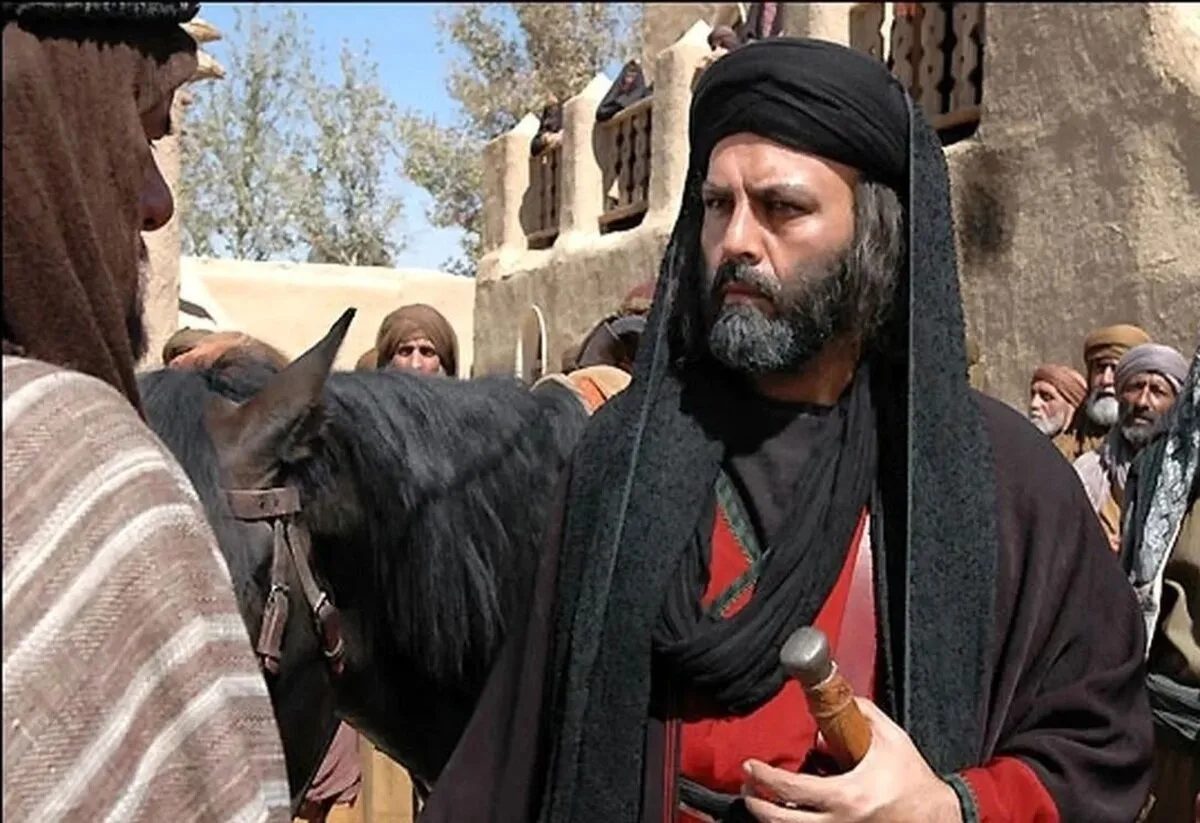
Akbar Zanjanpour, a well-known actor and director, expressed his dissatisfaction with the current state of theater in Iran during the specialized meeting "Director's Era," which focused on the reasons for the inactivity and withdrawal of professional theater directors in recent years. He said, "After 60 years, I realized I was wrong." He stressed that the current situation is far from the true capacities and status of this art.
Theater, a Cultural Need of the People
Zanjanpour stated that theater should become a part of the cultural life of the people, saying: "Theater is not merely a space for visibility or ticket sales; it is a space that can lead to the spiritual refinement of both the artist and the audience." He emphasized the necessity of familiarizing children and teenagers with theater from elementary school and considered the development of theater education and culture as effective factors in transforming this art into one of the cultural needs of society.
Read more: Seyed Mahdi Hosseini, a renowned poet from the Ahl al-Bayt, suffered a heart condition
This pioneering artist pointed out the structural and economic problems in the production and performance of theatrical works, referring to the limitations of performance venues and the difficulties in planning productions. He said: "Even artists who possess knowledge and experience face obstacles in the current structure that prevent them from gathering a group and performing a work."
The Necessity of Forming Independent Theater Groups
Zanjanpour continued by criticizing the individualism in the structure of theater production and emphasized the necessity of forming independent and sustainable theater groups. He suggested that instead of having the entire production process and support for theater revolve around individuals, professional groups with a specific combination of actors, directors, designers, and other executive factors should be formed to enable continuous and planned activities.
Qotboddin Sadeqi, a director and theater researcher, also referred to the structural problems in theater during this meeting, stating: "The inactivity and withdrawal of professional directors cannot be solely attributed to the individual performance of artists." He identified economic problems, a lack of suitable venues, and the absence of long-term planning as limiting factors for professional activity in Iranian theater.
Sadeqi also emphasized the necessity of establishing a stable system for financing theatrical productions and supporting artists. He said: "The administration of theater needs a clear program for developing infrastructure and supporting production. Inviting professional directors to produce works without providing the necessary execution conditions cannot lead to the continuity of their activities."
At the end of this meeting, Zanjanpour and Sadeqi stressed the need to reconsider management mechanisms and the methods of supporting production and the operational structure of theater groups. They believed that the continuity of theater life requires the provision of opportunities for collective activity and strengthening the connection between artists and audiences.
Read more: Nasrin Parvizi approved the term "Goshineh" instead of "Headphone" · The Greats of Tehran; from Shemron to Shah Abdolazim in one frame