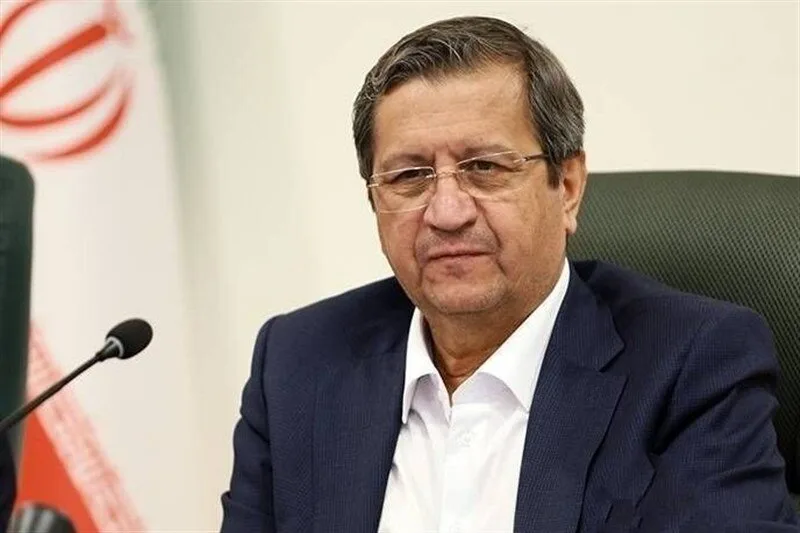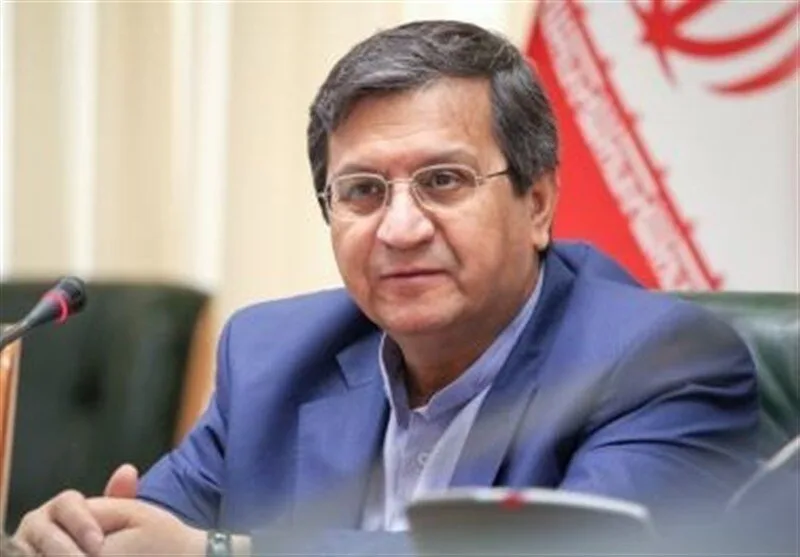
Abdolnaser Hemmati, the Governor of the Central Bank, by announcing the provision of 20 billion dollars for the second half of the year, once again demonstrated that the Central Bank is seeking to stabilize the currency market and support the import of essential goods and medicine. This anticipated amount of currency is particularly crucial for meeting the country's vital needs under current conditions.
Currency Provision Program and Coordination with Ministries
Hemmati emphasized the importance of securing currency for essential goods, medicine, and raw materials needed by industrial units, referring to the coordination efforts made with the ministries of Industry, Mine and Trade, Agricultural Jihad, and Health, Treatment and Medical Education. These coordinations are aimed at facilitating the import process and meeting the country's needs, reflecting the Central Bank's attention to the needs of various economic sectors.
Currency Provision from the Beginning of the Year Until Now
According to the announced figures, the Central Bank has reported the provision of 27 billion dollars in currency since the beginning of the current year. This amount of currency has been allocated to support various economic sectors and meet the country's essential needs. Hemmati further introduced the plan to secure another 20 billion dollars in the second half of the year as an important priority.
The detailed breakdown of the secured currency for various sectors and the extent of the realization of the second half of the year's plan has not yet been fully clarified, but this action demonstrates the Central Bank's firm determination to support the country's economy under current conditions. In fact, securing currency is one of the main pillars of economic policies and plays a key role in maintaining economic and social stability.
Future Outlook and Consequences
Given the existing challenges in the currency market and the increasing needs of the country, securing 20 billion dollars in currency could serve as a positive step towards stabilizing prices and controlling currency fluctuations. This action not only helps meet the essential needs of the people but can also lead to an improved business environment and increased domestic production.
Ultimately, the efforts of the Central Bank and its currency policies, as an important tool in managing the country's economy, can lead to the creation of stability in the currency market and reduce the economic pressures on the people. With the cooperation of ministries and related institutions, it is hoped that these programs will be well implemented and their positive results will soon become evident.
Read more: Reforming Export and Import Laws is Essential for Producers · Asghar Balsini: The Deadline for Payment for the Gold Bar Auction is Until Tonight