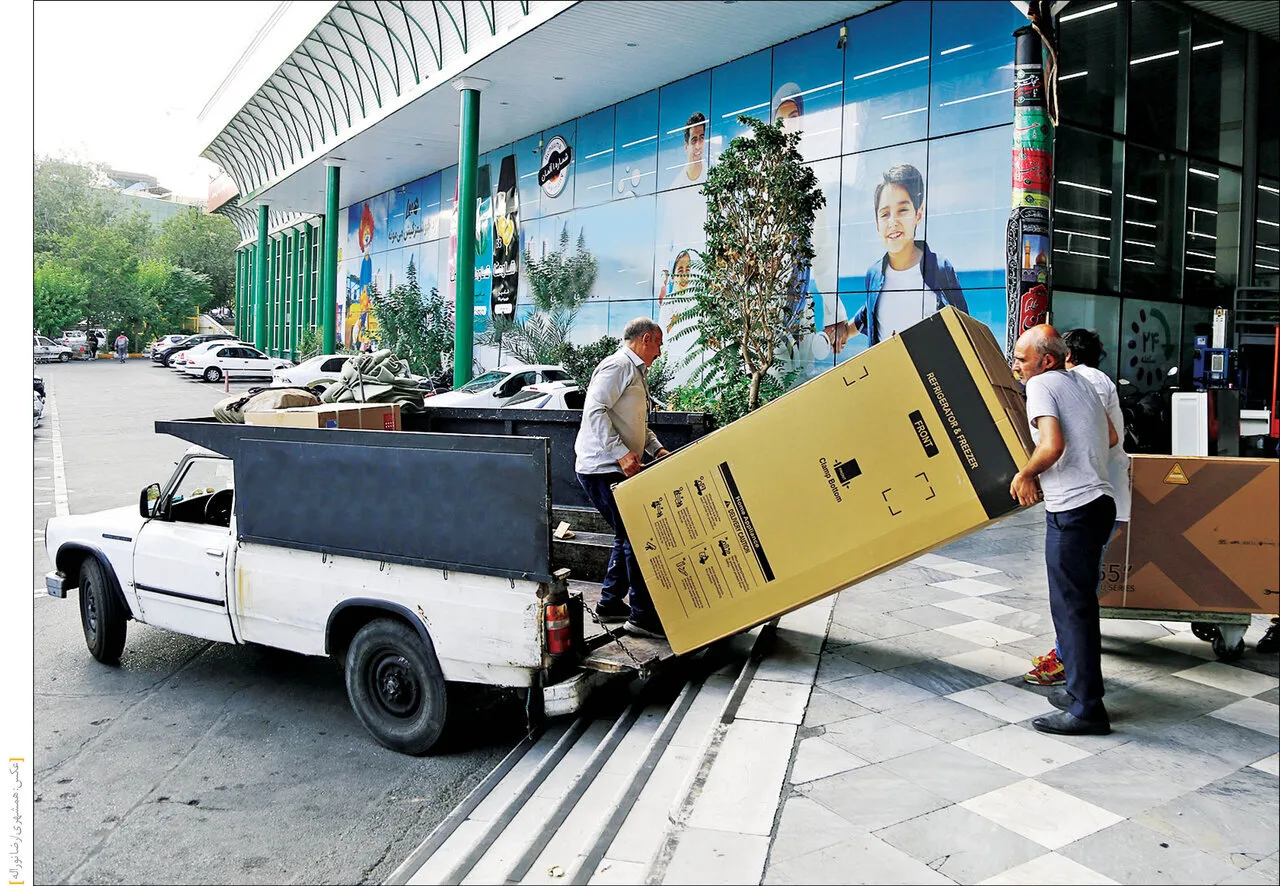
The removal of restrictions on the import of South Korean home appliances has once again brought the old debate about the liberalization of these goods to the forefront of Iran's economic news. According to explanations from the Trade Development Organization, this decision does not mean the official liberalization of large home appliance imports, but rather the lifting of brand and origin restrictions for some imports through border cooperatives; while the official and widespread import of large home appliances remains prohibited.
Challenges and Opportunities in the Home Appliance Industry
This decision comes at a time when, since the beginning of September, discussions on revising the ban on home appliance imports have been seriously pursued in Parliament and among industry stakeholders. Hakem Memkan, a member of the Economic Commission of Parliament, has emphasized that if producers do not fulfill their commitments regarding the supply of parts, there is a possibility of issuing import licenses for four categories of home appliances up to a value of $500 to $600 million.
Read more: Mohammad Atabak: The import of luxury cars has even been halted for Iranians abroad
In fact, these developments pose a fundamental question for policymakers: Is it an appropriate time to open the path for importing consumer goods similar to domestic production, given that the Iranian economy is facing currency restrictions, sanctions, and a decrease in purchasing power?
Consequences of Economic Decisions
Richard Nephew, a former U.S. government official and author of the book "The Art of Sanctions," explains that economic sanctions do not only target government accounts and oil sales, but also put pressure on the production and employment chain. In a sanctioned economy, decisions about production and imports can have deeper effects on the labor market and investment.
Today, the home appliance industry in Iran is no longer limited to a few factories and has created about 300,000 direct jobs and one million indirect jobs. Additionally, the turnover of the home appliance market reaches approximately $6.5 billion, highlighting the importance of this industry. This chain is not only related to final producers but also to parts manufacturers and related industries.
Supporters of domestic production point to the reduction of currency dependency and, based on economic data, the market for three categories of refrigerators, washing machines, and dishwashers is valued at about $2.5 billion. Meanwhile, domestic production of these goods could generate savings of about $1.8 billion in foreign currency.
Considering the currency restrictions and existing challenges, decisions regarding the timing and manner of importing final goods must be made carefully and with consideration of the opportunity cost of currency. In this regard, policymakers must strike a balance between supporting domestic production and the need for imports.
Read more: The European Commission opposed the ban on U.S. diesel exports · The impact of new air sanctions on Iran's tourism industry and the fate of hotels