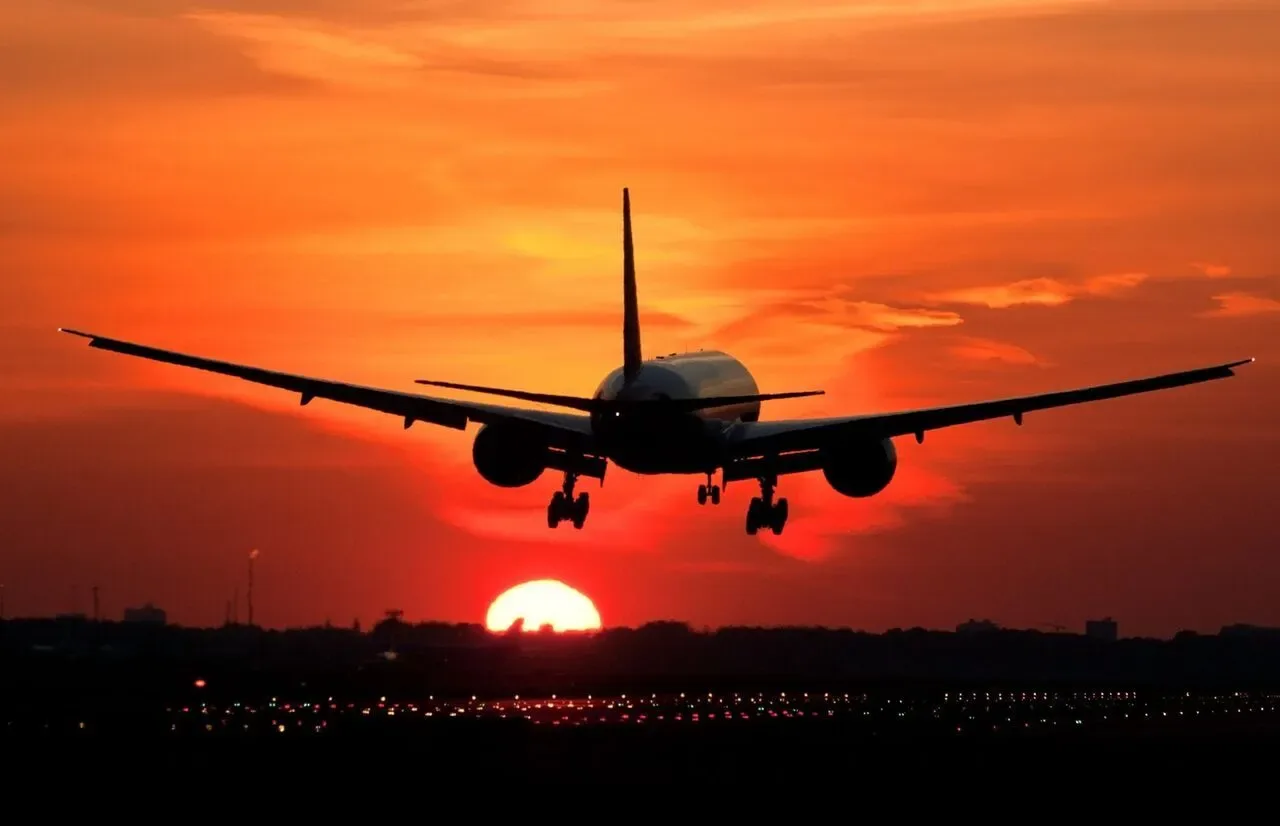
The new U.S. air sanctions against Iranian airlines, which came into effect on October 23, have severely disrupted the currency supply chain in the travel market. These sanctions have not only limited airlines' ability to fly to foreign destinations but have also had widespread effects on the entire tourism industry in Iran.
Report from the President of the Tehran Hoteliers Association on the Status of Tourism
Mohammad Ali Farokhmehr, the President of the Tehran Hoteliers Association, has explicitly stated in an interview about the status of hotels in recent months that foreign tourists have almost exited the Iranian market. He explained that Tehran's hotels are heavily dependent on foreign tourists and business travel, and the reduction in foreign interactions has harmed hotel revenues. Farokhmehr emphasized that this decline ultimately means a reduction in foreign currency entering the country's economy, as foreign tourists spend money on accommodation, food, transportation, and visiting historical sites.
Read more: The End of the 10-Year Upward Trend of Iranian Universities in the Times Ranking
Financial Challenges of Hotels and Future Crisis
Farokhmehr has also expressed concern about the financial situation of hotels, stating that many hotels are currently resorting to sources usually set aside for repairs and renovations to cover their operating costs. He pointed out that hotel revenues have significantly decreased, and costs have increased by 10 to 50 times in some cases. This situation could lead to a crisis in the quality of tourism services in the coming years, as if hotel revenues are spent on daily expenses, there will be no resources left for renovation and service improvement.
The air sanctions have negatively impacted foreign tourism, and even if an agreement is reached in the future, the accommodation infrastructure may require serious investment. Foreign tourists need reliable flights and airport services to travel to Iran, and with the shrinking network of international flights, access to Iran has become more difficult than before.
The Impact of Flight Restrictions on International Travel
Hormatollah Rafiei, the President of the Association of Air Travel and Tourism Offices of Iran, reported before the recent intensification of sanctions that 70 to 75 percent of round-trip flights are dedicated to Turkey and Iraq. These figures indicate that any change in flight routes can quickly affect the entire travel market. In recent weeks, restrictions on routes to Iraq, Georgia, and Oman have increased, forcing travelers to use combined routes to continue their journeys.
This situation not only makes it difficult for Iranians to travel abroad but also affects the entry of foreign travelers and pilgrims into Iran. Wissam Al-Kanani, the owner of a tourism company in Baghdad, noted that the suspension of flights has caused significant damage to students, patients, and businessmen who previously traveled daily between the two countries. This shows that the reduction in air connectivity has extensive commercial and medical implications.
Ultimately, the tourism crisis in Iran clearly indicates the need for serious reviews of tourism infrastructure and strengthening international relations. Although domestic tourism continues, without the influx of foreign tourists, Iran's tourism industry is at serious risk.
Read more: Masoud Pezeshkian and the Mystery of the Six-Person Team in the Iranian Government · The Consequences of Sanctions on Iranian Airlines on the Country's Economy