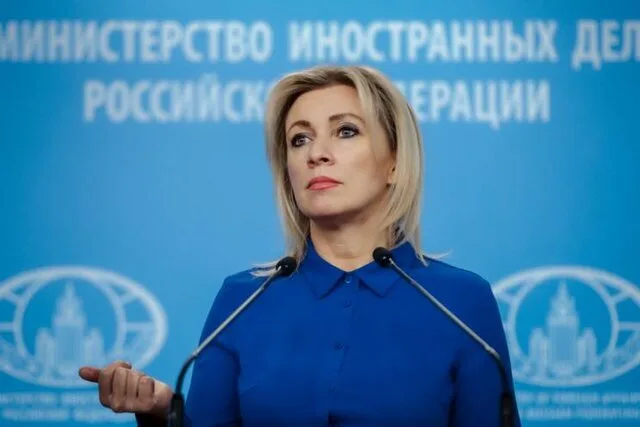
Zakharova, spokesperson for the Russian Foreign Ministry, emphasized today, Thursday, that the outlook for the implementation of the Comprehensive Nuclear-Test-Ban Treaty (CTBT) is unclear due to the stance of several countries, especially the United States. This issue arises as global security is affected by international tensions.
Concerns about the global situation
Zakharova further pointed out the lack of cooperation from some countries in implementing this treaty, particularly the United States, stressing that non-compliance with international commitments could have dangerous consequences for global security. She stated: "Contradictory positions and lack of commitment to international treaties can lead to the escalation of global crises. This comes at a time when the Nuclear-Test-Ban Treaty was created to reduce nuclear risks."
Impacts on peace and security
The Comprehensive Nuclear-Test-Ban Treaty, adopted in 1996, is recognized as a key tool for preventing the proliferation of nuclear weapons. However, with increasing tensions between global powers and non-compliance with this treaty, its future seems to be at risk. Zakharova also highlighted the important role of other countries in this regard, noting that global cooperation and solidarity are essential to prevent nuclear tests.
She asserted that "building trust between countries can help advance the treaty's goals and reduce nuclear tensions." These remarks come at a time when some nuclear-armed countries are seeking to expand their military capabilities.
Ultimately, Zakharova emphasized that only through cooperation and collective will can we reduce nuclear threats and ensure global peace. This requires a change in the policies of some countries and the acceptance of international commitments.
Read more: Volodymyr Zelensky: No one supports the war except one person · Ukraine announced readiness for a ceasefire with Russia