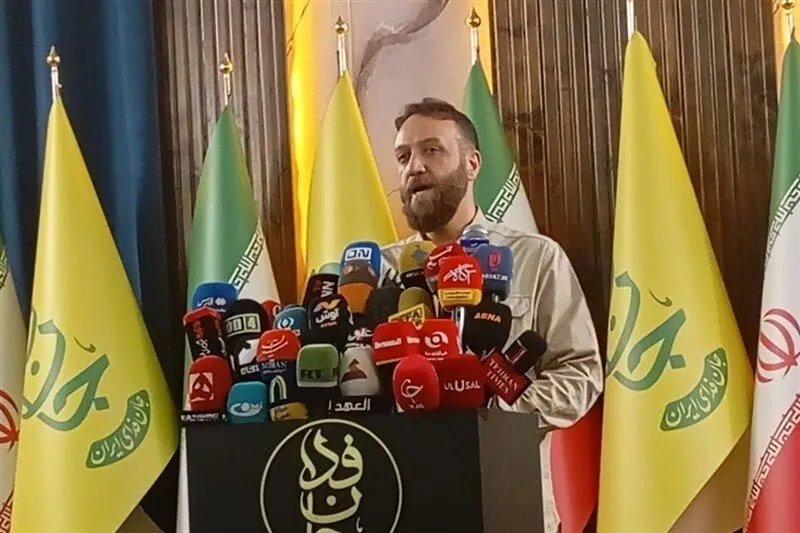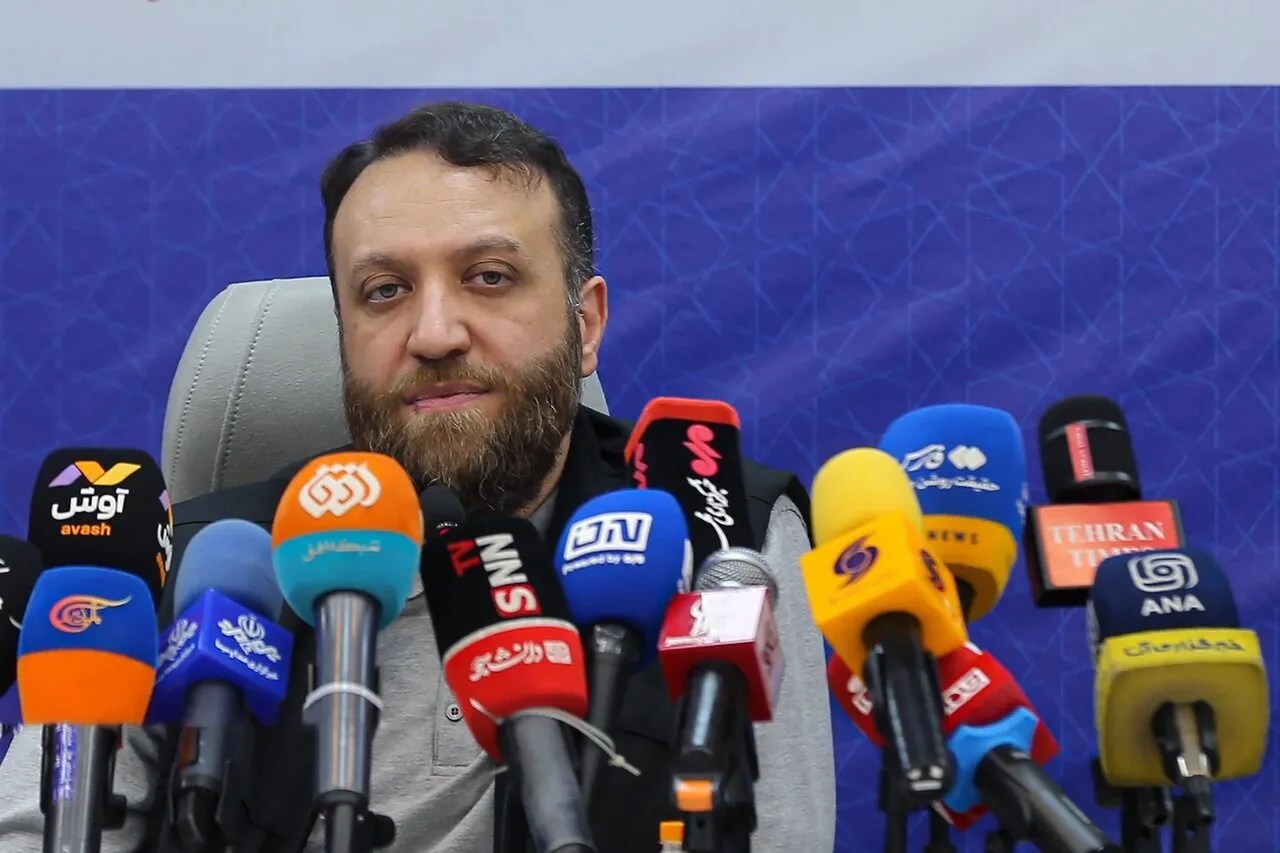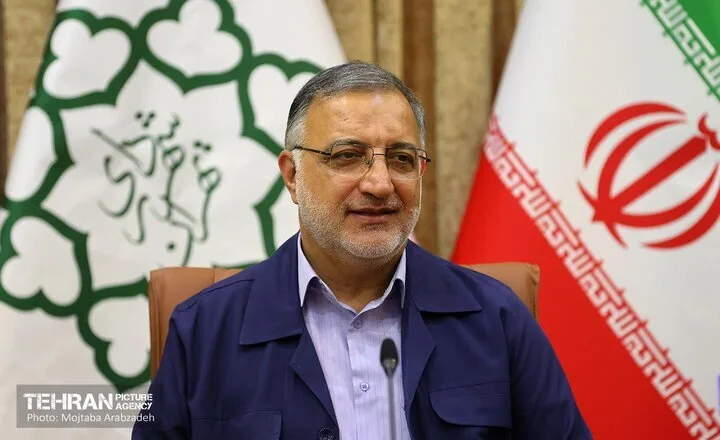
Alireza Zakani, the mayor of Tehran, announced new plans for the renovation of 110 hectares of Tehran's market during a meeting with guilds and the market's board of trustees, stating: "This area has been defined as the axis of the capital's economy, and at its heart lies a spot known as Tehran's market."
The role of the market in Tehran's economic identity
Zakani pointed to the importance of the market in the economic and identity structure of the capital, saying: "Regions 11 to 13 have been designated as a global trade area in Tehran's comprehensive plan, and this area extends from Bahman Square to 17 Shahrivar South Street, Qiam Boulevard, Tehran's market, Razi Square, and then continues to the railway station." He added that the residents of this market will be the main custodians of the global trade area in the future.
Read more: Mercedes-Benz and Porsche have been added to the list of imports for Iranians with new models
Renovation of historical fabric and cultural heritage
The mayor of Tehran also emphasized that part of the market's fabric is located in historical neighborhoods, and for this reason, its renovation is not merely an economic action but also includes aspects of cultural heritage and identity. Zakani noted: "The historical neighborhoods of the market will be renovated in accordance with historical requirements and while preserving their identity."
Zakani announced the finalization of approvals and the acquisition of permits for the implementation of this plan, stating: "The necessary approvals for the execution of this plan have been completed, and the permits have also been obtained, and it will soon enter the implementation phase." He also referred to the situation of the loading docks and warehouses in Tehran, adding: "This situation does not align with Tehran's comprehensive plan, and one of the actions that needs to be taken is the relocation of terminals and the organization of existing loading docks and warehouses."
Attention to the needs of the city and public livelihood
Zakani, referring to the dilapidated fabric of Tehran, said: "Tehran has 4,460 hectares of dilapidated fabric and about three thousand hectares of unstable fabric. In the first step, we have identified 188 areas covering 625 hectares, and we are designing a renovation model for them with complete urban standards." He also mentioned the municipality's programs in the field of public livelihood, stating: "We aim to stock essential goods needed by Tehranian households and keep their inflation stable."
In conclusion, Zakani also referred to the issue of market security, stating: "Although security is not the municipality's responsibility, if there is anything the Tehran Municipality can do in this area, it will not hesitate." He emphasized that the Tehran Municipality is striving to reduce the problems faced by market traders within its jurisdiction.
Read more: Fariba Mortazavi and the life story of pardoned prisoners · Samzami: The policymaker's behavior is such that the law is not implemented