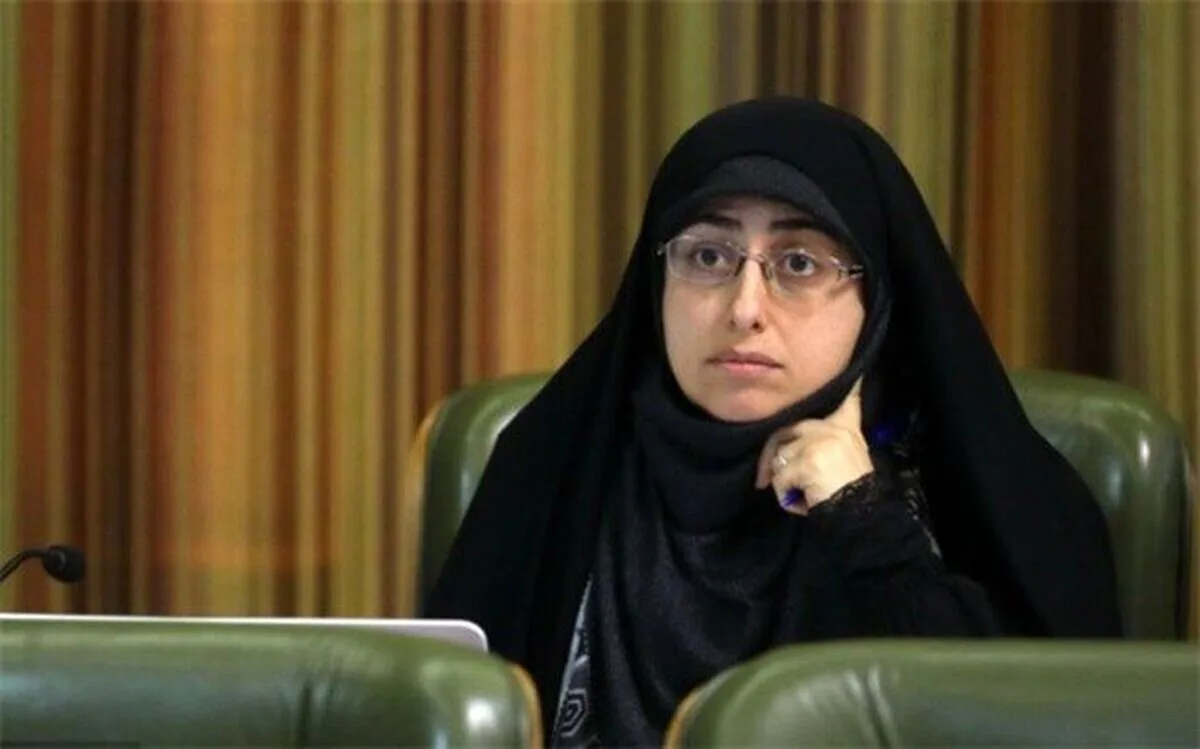
Zahra Shams Ahansan, the head of the Social and Sports Committee of the Islamic Council of Tehran, emphasized the necessity of revising the tariffs for water, electricity, and gas connections of cultural and social centers in important remarks. She pointed out that the social infrastructure of the city indicates that cultural and social spaces in Tehran, including neighborhood houses and cultural centers, are by no means places for business or profit-making activities.
The necessity of supporting cultural centers
Shams Ahansan added: These centers are created and managed using public resources and municipal budgets to respond to the cultural and social needs of citizens in neighborhoods. However, the water, electricity, and gas connections of many of them are still calculated with public, administrative, or even commercial tariffs; tariffs that have no relation to the nature and function of these centers.
Read more: The Mehran border continues its operations
Incorrect financial consequences
The head of the Social and Sports Committee of the Islamic Council of Tehran stated: The result of this approach is quite clear; part of the budget that should be spent on education, cultural activities, social support, and neighborhood-based programs is being used to pay heavy costs for energy carriers due to the inappropriate classification of tariffs. Shams Ahansan also noted that imposing heavy costs for water, electricity, and gas on neighborhood houses ultimately affects the quality and sustainability of services that primarily target children, adolescents, families, the elderly, and underprivileged groups.
She continued her demands from the urban management by saying: The Tehran Municipality is expected to officially and documentarily address the issue of revising the classification and applying a cultural appropriate tariff for the water, electricity, and gas connections of neighborhood houses and other facilities managed and operated by the Tehran Municipality. Shams Ahansan emphasized that in the necessary correspondence with the Ministry of Energy, Tavanir Company, and other institutions, the public and non-profit nature of cultural and social centers must be highlighted.
Shams Ahansan concluded her remarks by calling for serious follow-up from the Tehran Municipality to reach an executive decision and final determination in this regard. She believes that this approach should be pursued as part of the policy to reform the financial governance of cultural and social centers so that the administrative costs of these entities are adjusted in line with their public and non-profit missions.
Read more: Najafi: Austria must take all necessary measures to facilitate the entry of Iranian representatives · Extension of free public transport services in Tehran until November 22