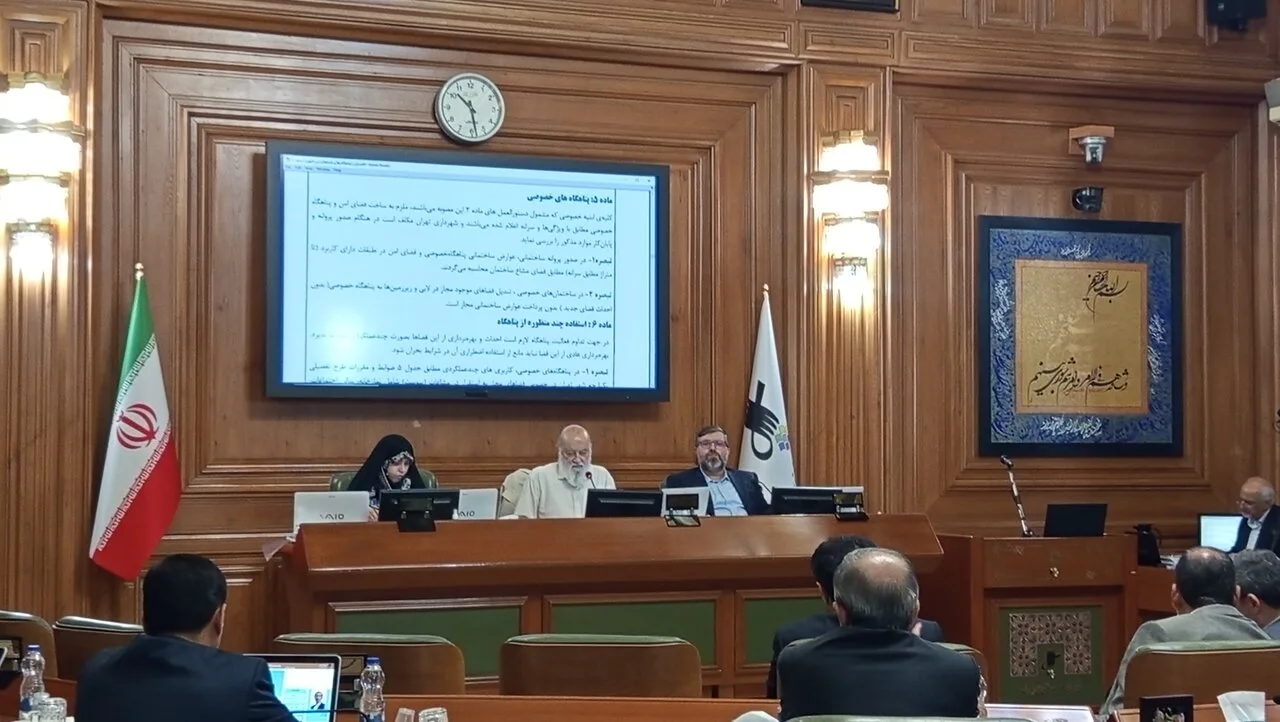
The Islamic Council of Tehran has approved a bill to extend free public transport services on metro and bus lines until November 13. This decision was made during the 431st session of the Islamic Council of Tehran amid heated discussions among the members.
Heated Discussions in the City Council
This session was held with the presence of various representatives of the city council and focused on the current conditions of the country. Opponents of this bill believed that making public transport free could damage infrastructure and place a heavy financial burden on the municipality. They argued that this action might lead to a decline in service quality and increase problems in the public transport system.
On the other hand, supporters of this bill called for attention to the people and the difficult economic conditions resulting from the wartime situation. They believed that in this critical situation, people need more support and that making public transport free could help alleviate financial pressures on citizens.
Social and Economic Consequences
The city council's decision to extend free public transport services could have many social and economic consequences. On one hand, this decision may lead to increased use of public transport and help reduce traffic and air pollution. On the other hand, the municipality may face financial challenges and need to secure new financial resources to maintain service quality.
Additionally, this action could help strengthen the spirit of social solidarity among citizens and increase the feeling of support from government institutions. In these circumstances, it is expected that the municipality will prioritize programs to improve the quality of public transport services and enhance oversight of metro and bus lines.
Considering the current conditions and the citizens' need for public transport services, this decision could be a positive step towards supporting the people and facilitating their mobility. It is also expected that this action will lead to increased public satisfaction and strengthen trust in government institutions.